
Forest and Land Fires in East Java Burn 7,363 Hectares, 79% in Conservation Areas
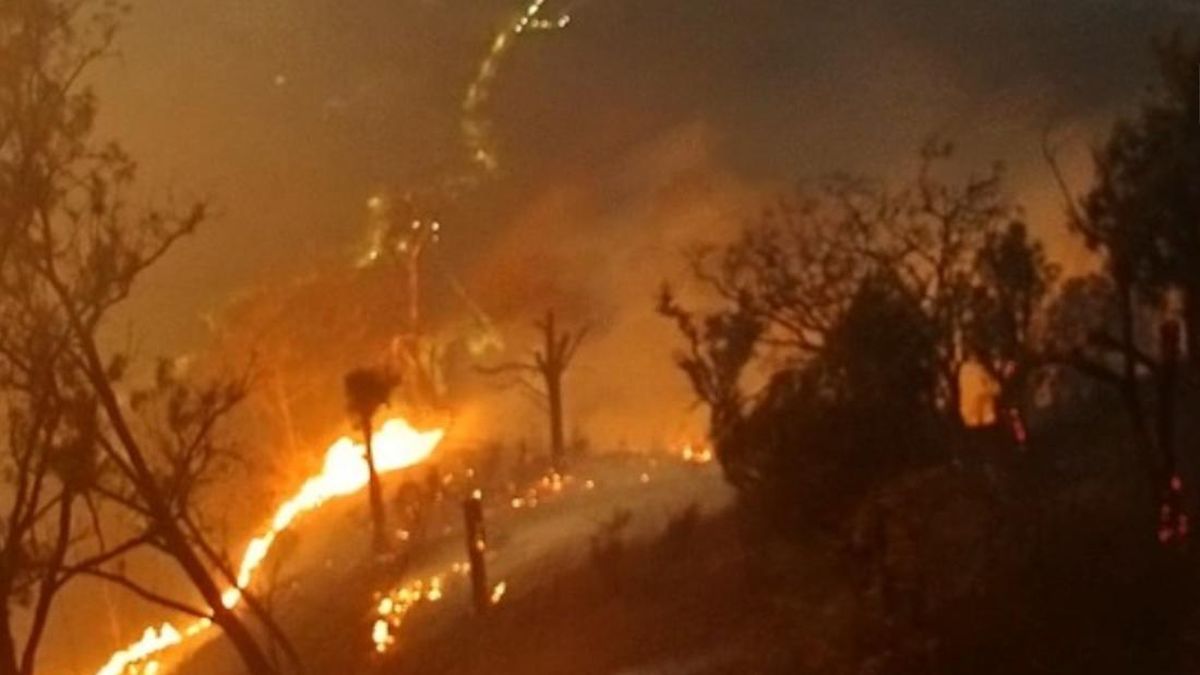
Forest and land fires in East Java burned 7,363.30 hectares between August and September 2026. Almost all of the affected land was in conservation areas.
East Java Deputy Governor Emil Elestianto Dardak said the fires occurred across three areas managed by different authorities, according to data from the provincial Forestry Office.
“Seventy-nine per cent of the fires were in conservation areas, 14 per cent in Perum Perhutani areas and 7 per cent in Raden Soerjo Grand Forest Park,” Emil said in Surabaya on Tuesday (20 October).
Data presented by Emil showed that conservation areas recorded the largest burned area, at 5,814.90 hectares. This figure covered four national parks and areas managed by the East Java Natural Resources Conservation Agency (BBKSDA). Baluran National Park was the worst affected, with 2,970.05 hectares burned.
Production and protected forests under the East Java regional division of state forestry company Perum Perhutani suffered fires across 1,031.95 hectares, or 14 per cent of the provincial total.
Emil said legal enforcement in those two areas fell under the central government, through the relevant ministries. The data he presented showed that investigations were being handled by a technical implementation unit of the Ministry of Forestry, within the jurisdiction of the Jabalnusra Law Enforcement Centre.
“We coordinate with the authorities responsible for each location: the national parks under the Ministry of Forestry and Perhutani,” he said.
Fires also affected Raden Soerjo Grand Forest Park, where 516.45 hectares burned, accounting for 7 per cent of the East Java total over the past two months. Emil said this was the only area under the full authority of the East Java provincial government.
“Raden Soerjo Grand Forest Park is directly under the provincial government’s authority. The fires occurred at an exceptionally high altitude,” Emil said.
He said fire sites in East Java generally fell into two categories, and each required a different response strategy.
“Some fire locations can be reached and some cannot. At inaccessible sites, our focus is on prevention and creating firebreaks so the fire does not spread to settlements,” he said.
At sites that cannot be reached, Emil said, personnel do not tackle the flames directly. Instead, they contain them at the furthest point accessible by land, with joint teams working from there to extinguish or contain the fire.
“The fires are at an exceptionally high altitude and cannot be reached by officers. So the question is: where did the fire come from? If officers cannot reach it, who can—was it set deliberately or what? Our focus now is on creating a perimeter to stop it spreading,” Emil said.
Emil said the East Java Forestry Office had 53 Manggala Agni forest-fire personnel and forest rangers. They were responsible for fire management at Raden Soerjo Grand Forest Park through regular patrols and containment efforts.
“We must make the most of our responsibility for the areas under provincial authority. The East Java Forestry Office has around 53 Manggala Agni personnel, as well as forest rangers, and their efforts must be stepped up. But the key point is that no personnel must become casualties,” he said.