
Forest and Land Fires, Ecocide and Cross-Border Crime
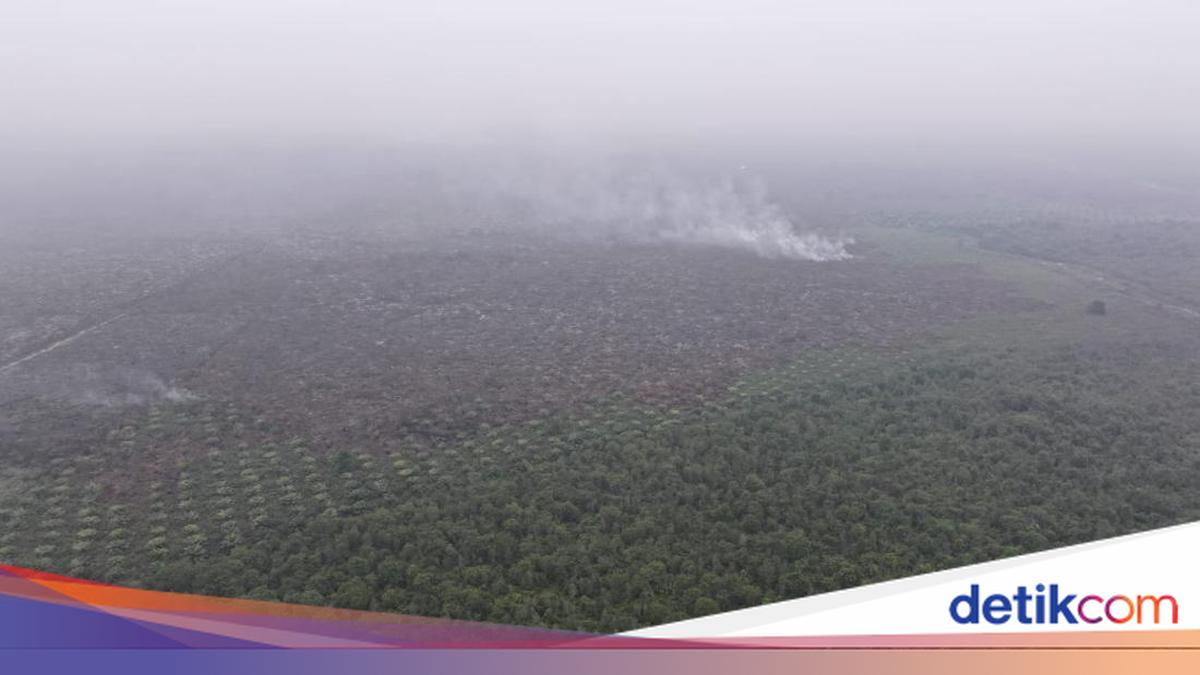
Indonesia’s recurring forest and land fires are not merely seasonal disasters or an unavoidable consequence of the El Niño climate phenomenon. Massive fires in the peatlands of Sumatra and Kalimantan have become a recurring ecological and humanitarian crisis. Millions of people are exposed to toxic haze that triggers acute respiratory infections (ARI), paralyses economic activity and destroys thousands of hectares of tropical rainforest ecosystems.
The impact does not stop at Indonesia’s borders: transboundary haze repeatedly affects neighbouring countries in ASEAN. This phenomenon underlines a fundamental fact: large-scale environmental destruction does not respect the sovereign borders of any state.
Unfortunately, for decades, law enforcement responses to forest and land fires have tended to treat them as administrative violations or ordinary environmental crimes. Enforcement efforts focused solely on field operators often fail to reach the masterminds and corporate entities behind large-scale land burning. This is why a new legal paradigm based on the concept of ecocide is urgently needed.
As defined by the Independent Expert Panel (IEP) in June 2021, ecocide means “unlawful or wanton acts committed with knowledge that there is a substantial likelihood of severe and either widespread or long-term damage to the environment being caused by those acts”.
Viewed through legal and ecological criteria, large-scale forest and land fires in Indonesia meet every element of the crime of ecocide:
First, the element of severe damage. The IEP defines “severe” as damage involving very serious adverse changes, disruption or harm to any element of the environment, including grave impacts on human life, natural resources, cultural or economic assets. The destruction of rare biodiversity and the direct threat to the lives of millions of people from toxic haze are clear evidence that this threshold has been met.
Second, the element of widespread damage. This is defined as damage extending beyond a limited geographical area, crossing state boundaries, or affecting an entire ecosystem or a large number of people. Forest and land fires that cause transboundary haze reaching Singapore and Malaysia unequivocally meet this criterion.
Third, the element of long-term damage. This refers to damage that is irreversible or cannot be naturally repaired within a reasonable period. Damage to the underlying structure of peatlands and the release of massive carbon emissions may take decades or centuries to recover from, while permanently accelerating the global climate crisis.
Fourth, the unlawful or wanton nature of the act. Land burning is unlawful because it is explicitly prohibited under Indonesia’s Environmental Protection Law. It is also wanton: it is carried out with reckless disregard for environmental damage that is clearly excessive in relation to the short-term economic benefits of more efficient plantation-concession clearance.
Fifth, the mental element of recklessness. International criminal law does not require specific intent to damage nature for ecocide. The required mental element is recklessness, or dolus eventualis: the perpetrator or corporation recognises a substantial likelihood that land burning will trigger an uncontrolled fire and a major ecological disaster, but nevertheless chooses to take that risk for financial gain.
Classifying forest and land fires as ecocide is essential to exposing “slow violence” and the extractive economic structures that have normalised environmental destruction. Traditional criminal law often struggles to trace corporate crimes when land burning is concealed behind operating permits. By advancing ecocide as an international crime—as Vanuatu, Fiji and Samoa have formally proposed to the International Criminal Court (ICC), and as recognised in the European Union’s Environmental Crime Directive (ECD 2024)—the global community is affirming that large-scale ecosystem destruction is an evil act on a par with other grave crimes such as genocide and crimes against humanity.
For Indonesia, adopting ecocide is not simply a matter of following an international legal trend; it is a real and urgent domestic necessity. The right to a clean and healthy environment is guaranteed by several laws and regulations and is an inseparable part of human rights. The right to a healthy environment is also the foundation for securing the rights to life and health.
Indonesia should now strengthen its national legal framework by recognising ecocide as a serious environmental crime with a direct impact on human rights, while also examining how it could be incorporated into the Human Rights Law and the Human Rights Court Law. Such recognition must be accompanied by accountability that reaches corporations, their executives, and those who make decisions and profit from ecosystem destruction. Ecocide must not remain a moral idea or a topic of international legal debate; it must become a hard edge in law enforcement.
Without this change in approach, forest and land fires will continue to be treated as annual disasters addressed only after the flames have spread, while those who profit from the burning remain behind the scenes. The state cannot simply put out the fires. Recognising ecocide means affirming that economic gain can never justify the systematic destruction of ecosystems. If the law fails to reach those behind the burning, it is not only forests and land that will go up in flames, but also the authority of the law and the ecological future of a nation.