
Foreigners Rejoiced: This Small Island Was Once a Global Tax Haven
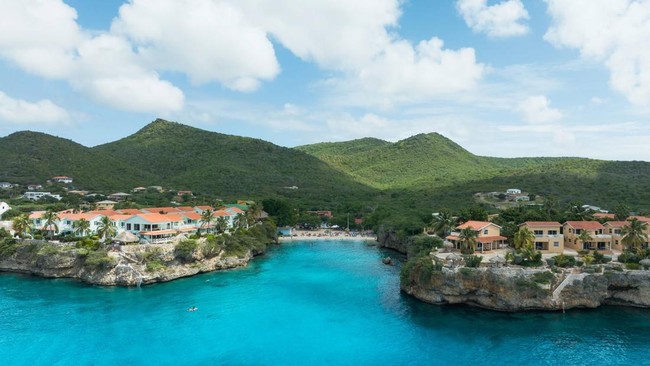
In the southern Caribbean Sea, about 65 kilometres off the coast of Venezuela, lies Curaçao, an island spanning only around 444 square kilometres. Despite its relatively small size, Curaçao is quite well known in international financial circles. For decades, this territory, which is part of the Kingdom of the Netherlands, served as a destination for global companies to store assets, establish holding companies, and arrange cross-border tax structures. The foundation of Curaçao as an offshore financial centre began to be built in 1951 when the government of the Netherlands Antilles introduced special tax rules for foreign companies. At that time, the tax rates offered ranged from 2.4% to 3%, far below the corporate rates applicable in many European and North American countries. This policy emerged as Curaçao sought new sources of economic growth beyond the oil refining industry that had previously been the island’s economic backbone. From this point, the financial services sector developed rapidly. Foreign companies began establishing business entities in Curaçao to manage investments, asset ownership, royalties, and international trade transactions. Over the following decades, Curaçao joined the group of territories often referred to as offshore financial centres. Whether Curaçao truly deserves to be called a tax haven depends on the time period in question. From the 1970s to the early 2000s, many of Curaçao’s characteristics were identical to those of a tax haven. Low tax rates, special treatment of foreign income, flexible company rules, and a relatively high level of secrecy were the main attractions for international corporations. This situation subsequently drew scrutiny from various international organisations. Pressure came from the Organisation for Economic Co-operation and Development (OECD) and the European Union, which began tightening oversight of jurisdictions with aggressive tax policies. The main concerns at the time related to tax avoidance, money laundering, and the shifting of multinational corporate profits to low-rate territories. Major changes became apparent after the tax reforms undertaken by Curaçao in recent years. The worldwide income-based tax system was replaced with a territorial tax system in 2020. Under this system, profits originating from activities outside Curaçao receive different treatment compared to domestic income. At the same time, the government also implemented economic substance rules requiring companies to have real economic activity to obtain certain tax facilities. The general corporate tax rate currently stands at 22%. This figure is much higher than classic tax havens such as the Cayman Islands or the British Virgin Islands, which apply corporate tax rates close to zero. Nevertheless, Curaçao still provides a number of special schemes for specific sectors. Companies operating in the e-Zone, for example, can obtain much lower rates for certain service export activities. The financial sector remains one of Curaçao’s main economic engines. This industry encompasses international banking, trust services, investment management, investment funds, and corporate administration services. Curaçao’s position within the Kingdom of the Netherlands provides added value because investors gain relatively strong legal certainty compared to some other offshore jurisdictions in the Caribbean region. Although various reforms have been implemented, the stigma as a tax haven has not completely disappeared. A number of tax justice watchdog groups still assess Curaçao as a location that can be utilised to aggressively reduce tax obligations. On the other hand, the Curaçao government is working to expand its network of international tax treaties and increase information exchange with other countries to meet global transparency standards. The debate over Curaçao’s status ultimately illustrates the major changes occurring in the global offshore financial industry. If a few decades ago competition relied on how low the tax rates offered were, today attention is shifting towards transparency, real economic activity, and compliance with international standards.