
Foreign Tourists Increasingly Choosing Railways, KAI Records 498,000 Passengers up to August 2026
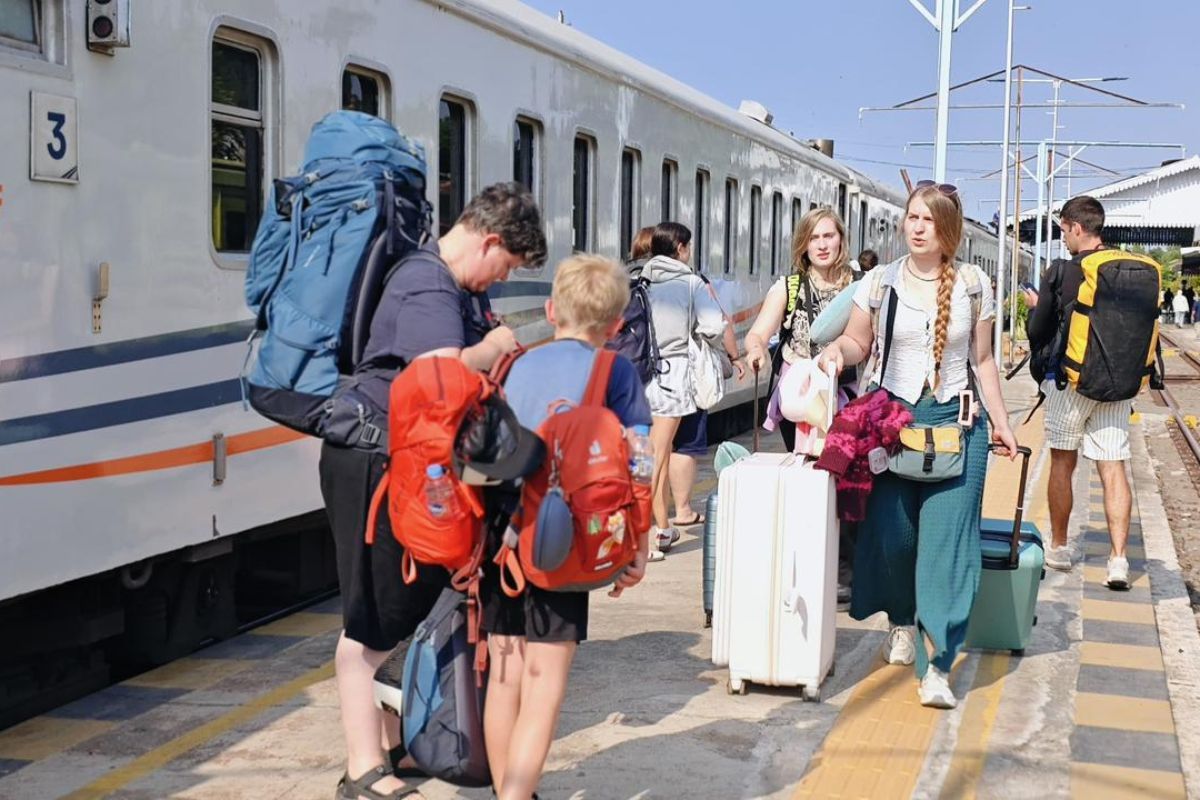
The growth of the national tourism sector is driving an increased need for inter-regional connectivity. Railways have become a key mode of transport supporting tourists in reaching various destinations across Indonesia.
PT Kereta Api Indonesia (Persero) recorded 498,232 foreign tourists using railway services between January and August 2026. This figure represents a 3.83% increase compared to the same period in 2025, which saw 479,861 foreign tourists, marking an additional 18,371 passengers.
This increase continues a growth trend in railway usage by foreign tourists over the last five years. Between January and August 2022, the number of foreign tourists using railway services was 170,094, rising to 383,732 in 2023, 447,655 in 2024, 479,861 in 2025, and reaching 498,232 in 2026.
KAI Vice President of Corporate Communication, Anne Purba, stated that the growth in foreign tourist passengers demonstrates the increasing importance of transport connectivity in supporting tourism travel in Indonesia.
“Railways connect various cities with diverse destination characters, ranging from cultural areas and nature tourism to economic centres. KAI continues to maintain service quality to ensure that foreign tourists’ journeys are increasingly comfortable and provide a good experience while in Indonesia,” said Anne.
According to KAI data, several stations have become primary choices for foreign tourists as departure points to various destinations. Yogyakarta Station was the favourite departure station, recording the highest number of foreign tourist passengers between January and August 2026.
The top 10 favourite departure stations for foreign tourists from January to August 2026 were:
Yogyakarta: 93,189 foreign tourists
Gambir: 84,011 foreign tourists
Bandung: 45,400 foreign tourists
Pasar Senen: 25,080 foreign tourists
Surabaya Gubeng: 24,543 foreign tourists
Semarang Tawang Bank Jateng: 18,032 foreign tourists
Malang: 17,391 foreign tourists
Probolinggo: 12,148 foreign tourists
Surabaya Pasar Turi: 11,491 foreign tourists
Solo Balapan: 10,158 foreign tourists
In terms of monthly development, the increase in foreign tourist travel via rail was most visible during the mid-year period. July 2026 recorded the highest volume with 96,940 foreign tourists, followed by August with 92,418 passengers and June with 67,290 passengers.
This trend aligns with the development of tourism travel in Indonesia. According to data from the Central Bureau of Statistics (BPS), the number of international tourist arrivals to Indonesia between January and July 2026 reached 9.09 million visits, an increase compared to the same period the previous year. This development indicates strengthening international travel activity to Indonesia and a growing need for inter-regional connectivity.
Anne added that railways play a strategic role in supporting the tourism travel chain, as many of Indonesia’s premier destinations are located in areas connected by the rail network.
“The growth of foreign tourists presents an opportunity for the entire transport ecosystem to provide increasingly integrated travel. KAI continues to strengthen its services so that railways can become part of the tourists’ journey in discovering more Indonesian destinations,” said Anne.
Through a travel network connecting various cities on Java and several other regions, KAI continues to strengthen the role of railways as a connector for the mobility of both the public and tourists. The growth in foreign tourist passengers serves as an indicator that railway services are playing an increasingly important position in supporting national tourism connectivity.
Source: jawawa.id (https://jawawa.id/newsitem/foreign-tourists-increasingly-choosing-railways-kai-records-498-000-passengers-up-to-august-2026-1788526989)
Originally published by Antara (Indonesian) (https://www.antaranews.com/berita/5726320/wisatawan-mancanegara-makin-memilih-kereta-api-kai-catat-498-ribu-pelanggan-hingga-agustus-2026), translated from Indonesian