
Foreign Producers Still Selling BPA Gallons in Indonesia Despite Bans Elsewhere
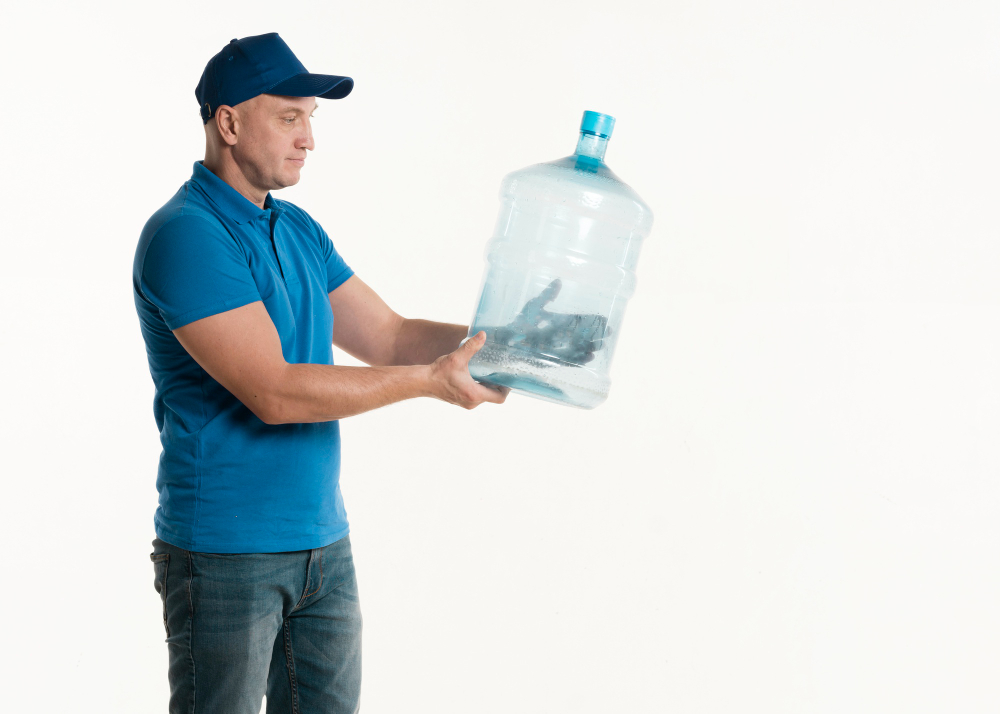
The Indonesian Consumers Community (KKI) has accused foreign bottled water producers of implementing double standards by continuing to sell polycarbonate gallons containing Bisphenol A (BPA) in Indonesia, despite complying with strict bans in their home countries. KKI Chairman David Tobing stated that while these multinational companies have switched to safer materials in Europe and other regions, they are still circulating gallons made with BPA in the Indonesian market. “In their own countries, they have already complied with regulations prohibiting BPA. Why is this still allowed to happen here?” David questioned.
Several European countries and neighbouring Malaysia have already banned or tightly regulated the use of BPA in food and beverage packaging due to scientific findings that the chemical is accumulative in the human body and potentially triggers chronic health issues, including cancer and reproductive disorders. However, in Indonesia, the same multinational producers continue to utilise polycarbonate gallons containing BPA, taking advantage of the absence of strict domestic regulations. The Head of the Indonesian Food and Drug Authority (BPOM), Professor Taruna Ikrar, has previously acknowledged that under certain conditions, polycarbonate packaging can leach BPA compounds into drinking water.
Consumer groups also pointed out an inconsistency in the domestic market, where baby bottles and tumblers are already required to be labelled BPA-free, yet reusable gallons consumed by millions daily are not subject to the same standard. Fitrah Bukhari, a member of the National Consumer Protection Agency (BPKN), criticised this regulatory gap, stating that producers have a moral responsibility to safeguard consumer health, especially for a product considered a basic necessity for nearly 100 million Indonesians.
KKI further revealed that some producers are manufacturing two different types of gallons: newer, safer models for certain areas and older polycarbonate gallons for other regions, all sold at the same price. David described this as a form of discrimination against consumers. The current regulation mandating BPA labelling was only passed in 2024 and will not be effectively enforced until 2028, a four-year grace period that consumer advocates argue is far too long and leaves the public continuously exposed to potential health risks. The KKI is urging the government to immediately enforce the labelling rules and establish a maximum usage age for reusable gallons, demanding that foreign producers apply the same safety standards in Indonesia as they do in their home countries.