
Foreign Ministry: Indonesia Sticks to Principles of Fairness in Facing EU Non-Tariff Barriers
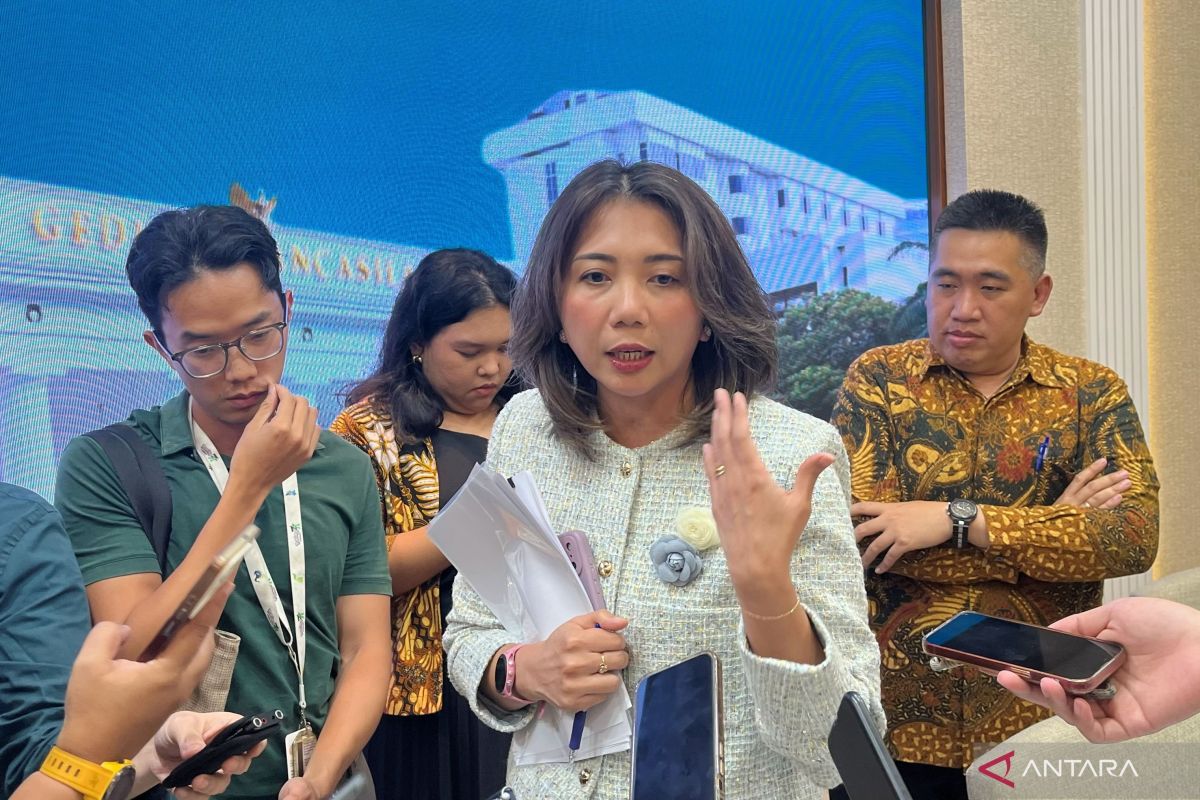
Jakarta (ANTARA) - Indonesia’s Ministry of Foreign Affairs (Kemlu) states that Indonesia will continue to adhere to principles of fairness and non-discriminatory treatment in addressing various non-tariff barriers from the European Union.
Regarding the EUDR, Indonesia is advocating for the recognition of national standards (ISPO) and ensuring that regulations do not disadvantage smallholder farmers,” said RI Foreign Ministry Spokesperson Yvonne Mewengkang in a written statement in Jakarta on Wednesday.
The European Union Deforestation Regulation (EUDR) requires companies trading commodities such as cocoa, coffee, palm oil, rubber, soy, timber, and their derivatives to conduct due diligence to ensure products are free from deforestation, forest degradation, and violations of environmental and social regulations.
Yvonne stated that Indonesia will continue to strive for a fairer market and prioritise the protection of the interests of smallholder farmers and the national palm oil industry through constructive dialogue.
According to her, Indonesia also held several bilateral meetings with European Union member states on the sidelines of the 25th ASEAN-EU Ministerial Meeting in the Philippines on 27-28 April to prepare for the implementation of the Indonesia-European Union Comprehensive Economic Partnership Agreement (IEU-CEPA), targeted to take effect in January 2027.
Those bilateral meetings also mapped out opportunities for export market diversification, including strengthening the digital economy sector and standardisation.
Regarding the 25th ASEAN-EU Ministerial Meeting, the Foreign Ministry Spokesperson said that Deputy Minister of Foreign Affairs of RI Arrmanatha C. Nasir urged that the ASEAN-EU strategic partnership, which will turn 50 in 2027, produce tangible benefits for the people.
Yvonne said that Indonesia prioritises strengthening collective resilience in facing the impacts of global conflicts that affect rising energy and food prices as well as supply chain disruptions.
In addition, Indonesia is also encouraging synergy between the two regions to reform the multilateral architecture to be more inclusive and responsive, as well as ensuring consistent compliance with international law.
In terms of energy transition cooperation, Indonesia continues to push for accelerating the green energy transition by utilising technological support and investment from the European Union and optimising ASEAN-European Union cooperation programmes, which are expected to reduce dependence on global fossil energy fluctuations.
One point in the Joint Statement of the 25th ASEAN-EU Ministerial Meeting emphasises attention to the work of the EU-ASEAN Palm Oil Joint Working Group (JWG) and the voluntary participation of its members to promote mutual understanding and comprehensively address challenges in a transparent and non-discriminatory manner.
In September 2025, Indonesian Trade Minister Budi Santoso stated that the European Union is beginning to soften its stance on the EUDR policy following the signing of the Indonesia-European Union Comprehensive Economic Partnership Agreement (IEU-CEPA).
According to Budi, the IEU-CEPA brings many benefits to Indonesia. In addition to opening broader market access, the economic partnership also softens all trade barriers, including the EUDR.
Source: jawawa.id (https://jawawa.id/newsitem/foreign-ministry-indonesia-sticks-to-principles-of-fairness-in-facing-eu-non-tariff-barriers-1777474348)
Originally published by Antara (Indonesian) (https://www.antaranews.com/berita/5547780/kemlu-ri-tetap-pegang-prinsip-keadilan-hadapi-hambatan-non-tarif-ue), translated from Indonesian