
Foreign Minister Sugiono Explains that the Malacca Strait is a Free and Neutral Shipping Route
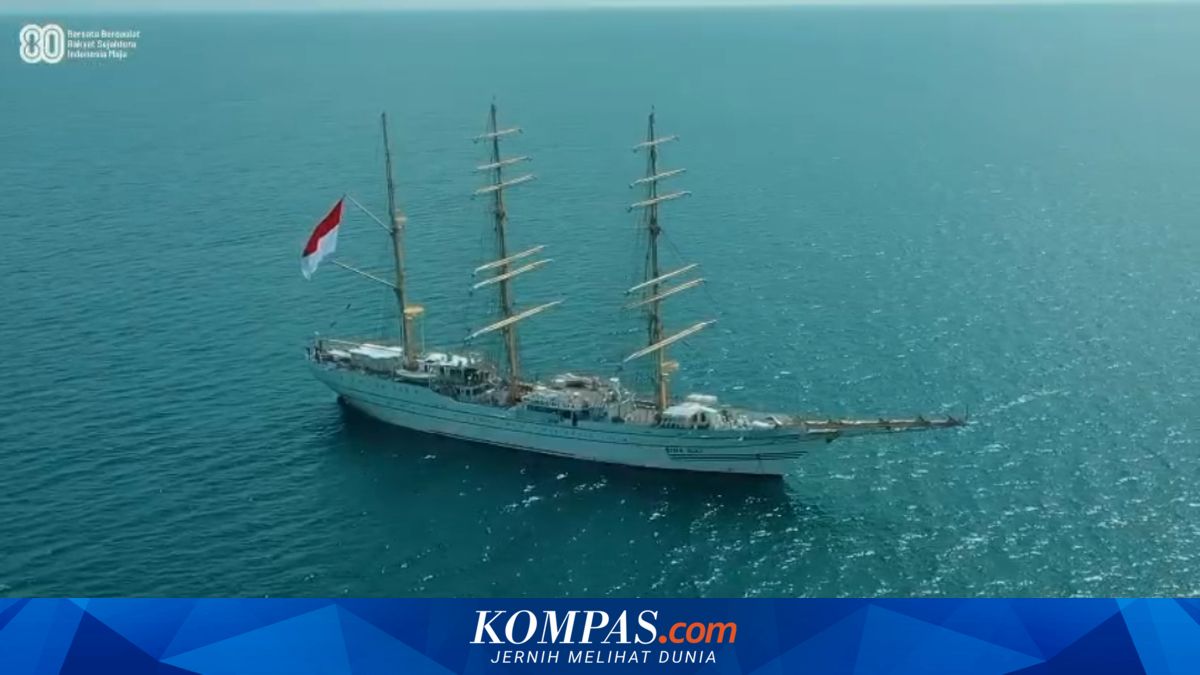
Indonesian Foreign Minister Sugiono has explained that the Malacca Strait is a free and neutral shipping route. The freedom of navigation there is a commitment of many countries because it aligns with the right of innocent passage under Article 17 of the 1982 UNCLOS, which is mutually beneficial. “We also hope for a free passage, and I think that is a commitment of many countries to create a free, neutral shipping route that supports each other,” Sugiono stated, as quoted from Kompas.com on Thursday (23/4/2026). The Malacca Strait will not be closed like the Strait of Hormuz because freedom of navigation is the right of every merchant vessel to pass through. “So, no. Indonesia is not in a position to do that (impose tariffs in the Malacca Strait),” he clarified. The shipping route, squeezed between the Malay Peninsula and Sumatra Island for over 800 kilometres, is traversed by 25-40% of total global maritime trade, with a value reaching $3.5 trillion US dollars every year. “It is not only oil and liquefied natural gas that pass through it, but also semiconductors, rare earth metals, industrial raw materials, and finished goods that form the foundation of the modern world supply chain,” explained Professor Mudhofir Abdullah from UIN Raden Mas Said Surakarta. If there is any disruption that hinders ship traffic there, the prices of basic commodities will rise. Major countries such as China, the United States (US), Japan, and South Korea utilise the right of innocent passage in the Malacca Strait to sail their merchant ships and warships. “It is this strategic value that makes the Malacca Strait no longer just an ordinary trade route, but what analysts now call a power route or a route of power that determines the geopolitical balance in the region,” Mudhofir explained.