
Foreign Minister Sugiono Encourages RI-Russia Nuclear Cooperation for Energy Security
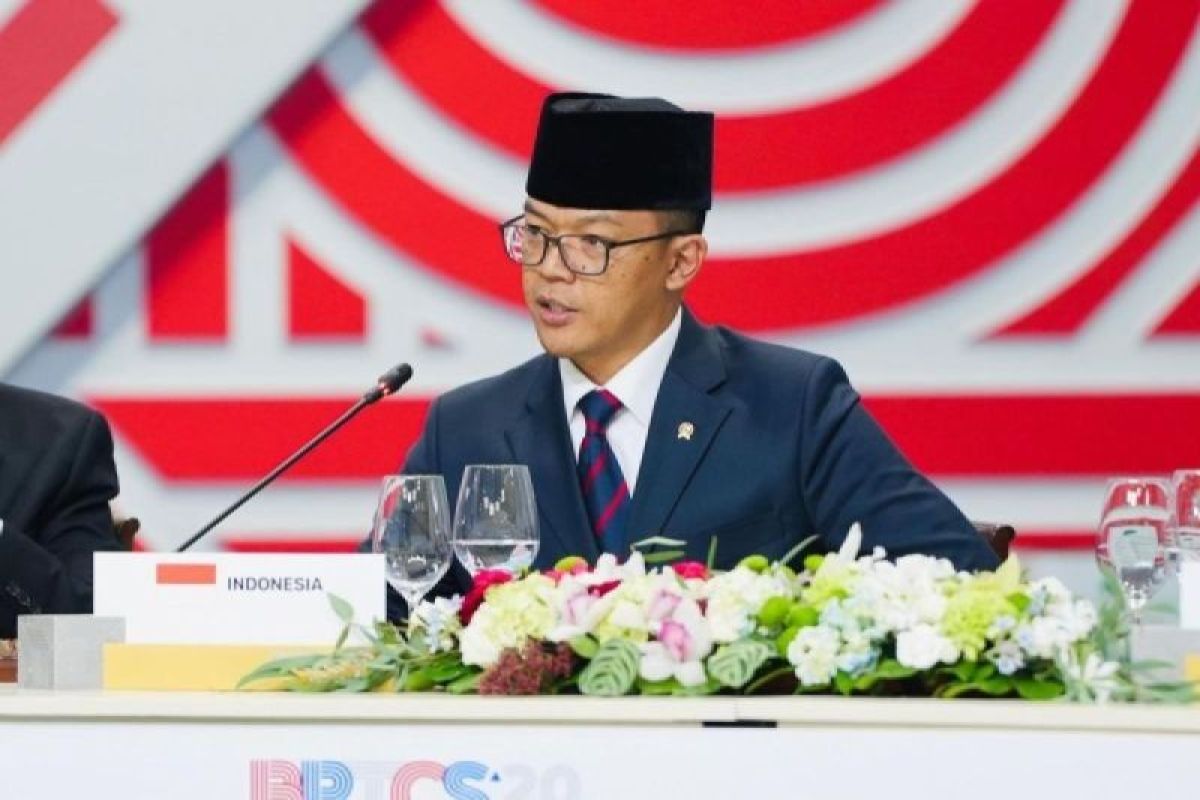
Jakarta (ANTARA) - Foreign Minister Sugiono is encouraging cooperation with Russia on the utilisation of nuclear technology to pursue national energy self-sufficiency targets within the next three years. At the summit marking 35 years of the ASEAN-Russia partnership in Kazan, Russia, Sugiono affirmed the government’s commitment to accelerating renewable energy development through the exploration of various safe technology options. “Russia’s extensive experience in this field provides a strong foundation for building cooperation,” Sugiono said in a statement released by the Indonesian Ministry of Foreign Affairs on Thursday. However, Indonesia stressed that the cooperation must be based on technology transfer, human resource capacity building, and the application of the highest international safety standards. At the regional level, the Indonesian foreign minister pushed for strengthening the strategic partnership between ASEAN and Russia to address global supply chain fragmentation. He noted that stability in energy and food supplies is crucial to protect the 670 million people in Southeast Asia from external shocks. As one of the world’s largest producers of energy, wheat, and fertilisers, Russia is considered to have a strategic role in ensuring that supply chains to ASEAN markets remain stable and predictable. “Our goal is clear: to protect our food systems from external disruptions. Because access to affordable and nutritious food must be within reach of every household,” Sugiono said. He further added that enhancing economic connectivity between the ASEAN and Eurasian regions must continue to be encouraged to create new, inclusive growth opportunities. Regarding global security architecture, Indonesia welcomed the adoption of the Kazan Declaration, which is seen as aligned with the ASEAN Outlook on the Indo-Pacific (AOIP), particularly in promoting the principle of ASEAN centrality. Foreign Minister Sugiono also welcomed the signing of a Memorandum of Understanding on de-escalation of conflict between the US and Iran as evidence of the success of dialogue. Nevertheless, he stressed that Indonesia remains deeply concerned about the humanitarian crisis unfolding in Palestine. “Indonesia is ready to work with Russia and all ASEAN member states to ensure this partnership contributes to greater resilience, prosperity, and lasting stability,” Sugiono concluded. Indonesia confirmed it will continue the process of importing crude oil from Russia as part of the government’s measures to strengthen national energy reserves amid global supply chain disruptions caused by the US-Iran conflict. The commitment to import 150 million barrels of oil from Russia will be carried out in stages until the end of 2026, following President Prabowo Subianto’s recent visit to Russia. In addition to oil imports, Indonesia is exploring plans to build a fleet of floating nuclear power plants with Russian state nuclear company Rosatom. Rosatom Director General Alexey Likhachev stated that the commercial exploration follows Indonesia’s significant interest in using nuclear technology for its energy transition. “Indonesia has shown great interest in nuclear technology. At President Prabowo Subianto’s invitation, a large Rosatom delegation visited Indonesia a few weeks ago,” Likhachev said on the sidelines of the ASEAN-Russia summit. He said the main focus of discussions with President Prabowo was on building floating nuclear reactors, involving Indonesian businesses to support technology localisation. According to Likhachev, for Indonesia, which is characterised by an archipelagic geography with extensive coastlines, placing nuclear reactors on ships or barges is more relevant and efficient than building conventional land-based power plants.