
For the First Time, Vladimir Putin Admits Ukrainian Attacks Have Triggered a Fuel Crisis in Russia
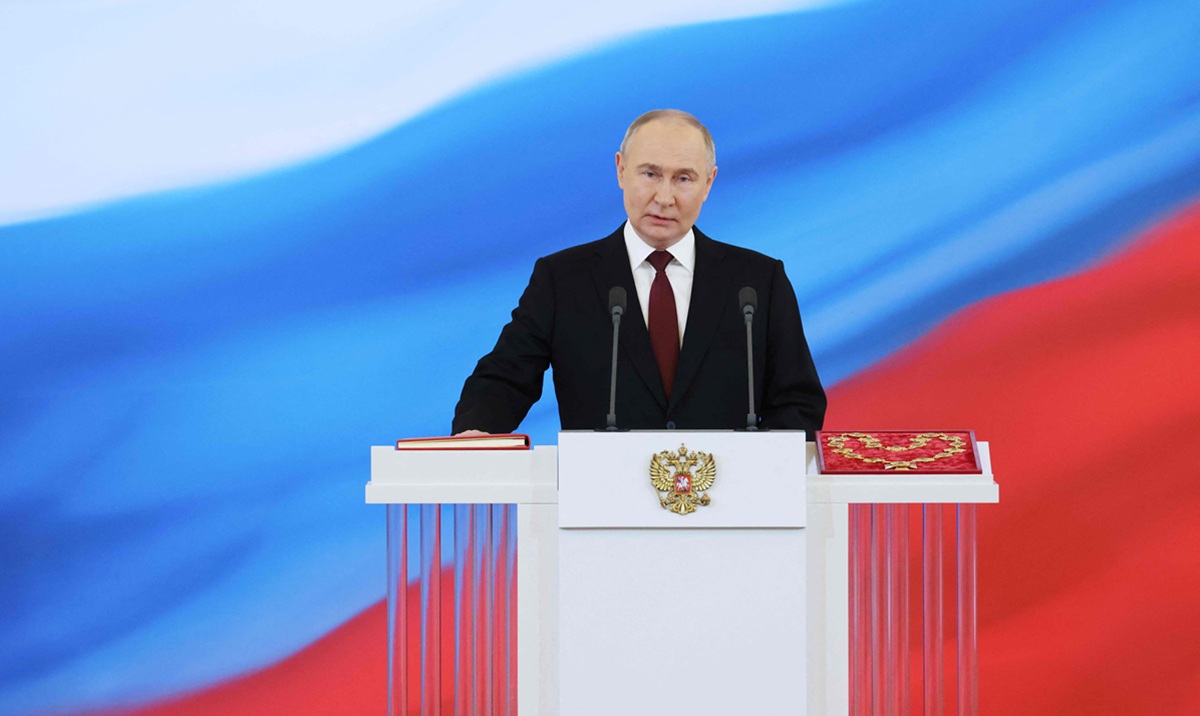
The impact of Ukrainian missile and drone strikes on Russia’s energy infrastructure can no longer be concealed. After triggering long queues at petrol stations, supply restrictions, and fuel shortages in various regions, this crisis has finally been openly acknowledged by President Vladimir Putin for the first time. In a meeting with senior officials and oil executives, Putin bluntly revealed the situation facing his country. “You know very well that problems still loom over motorists and businesses,” Putin said during the meeting. “Unfortunately, queues at petrol stations still occur, and finding the right type of petrol is not always easy.” Putin also highlighted the affected agricultural sector, noting that a successful harvest depends heavily on the timely scheduling of fuel supplies. According to a report by independent Russian media outlet Mediazona, 56 regions in Russia are currently imposing fuel restrictions. The most prominent situation is in Crimea, the peninsula annexed by Russia from Ukraine in 2014. Putin acknowledged that fuel stocks in this strategic territory are only sufficient for a few more days. Nevertheless, in an interview with Russian state television, he insisted the situation has not yet reached a critical stage. “The Ukrainian attacks clearly create problems. At the moment we see certain shortages, but they are not critical,” Putin stated. He promised to increase air defence production to protect energy infrastructure and accelerate the repair of damaged refineries. Putin’s candid stance is considered unusual. His acknowledgement of the situation in Crimea is deemed highly significant given the symbolic and strategic value of the territory for the Kremlin. Putin accused Ukraine of deliberately designing long-range strikes to divide Russian society and weaken support for the war. “We will not give them that opportunity,” Putin stressed, adding that the Ukrainian attacks “have had absolutely no impact on the situation on the front line.” Meanwhile, authorities in Kyiv have denied these claims. Ukraine states that their long-range strikes aim to force the Russian military command to divert resources from the front line while bringing the reality of war to Russian society. Regarding negotiation offers, Putin claimed Ukraine had previously proposed limiting hostilities to begin dialogue. However, he rejected this, assessing that Kyiv was merely trying to buy time to recover its forces, which he described as depleted. “It is clear why this proposal was made, because our counter-offensive deep into Ukrainian territory is much stronger, has a greater impact and, frankly, is more destructive. However, saving the Kyiv regime is not part of our plan,” Putin concluded.