
Foot Injuries to Watch Out for After Running a Marathon
Jakarta (ANTARA) - After crossing the finish line, marathon runners may find blisters on their feet, blackened toenails, as well as bumps and abrasions.
They may also experience less obvious painful problems, such as injuries to the sesamoids — two small, pea-shaped bones beneath the big toe that help it push the body forward when walking or running.
“Sesamoid injuries are rare in the general population, but fairly common among runners,” said Dr Jeffrey Baker, a podiatrist at the Weil Foot & Ankle Institute in Chicago, as quoted in a New York Post article on 30 October 2026.
Runners with high arches are at greater risk of sesamoid injuries because their stiff feet do not flatten enough to absorb impact while running. Rather than distributing pressure across the foot, high arches concentrate the load on the heel and the ball of the foot.
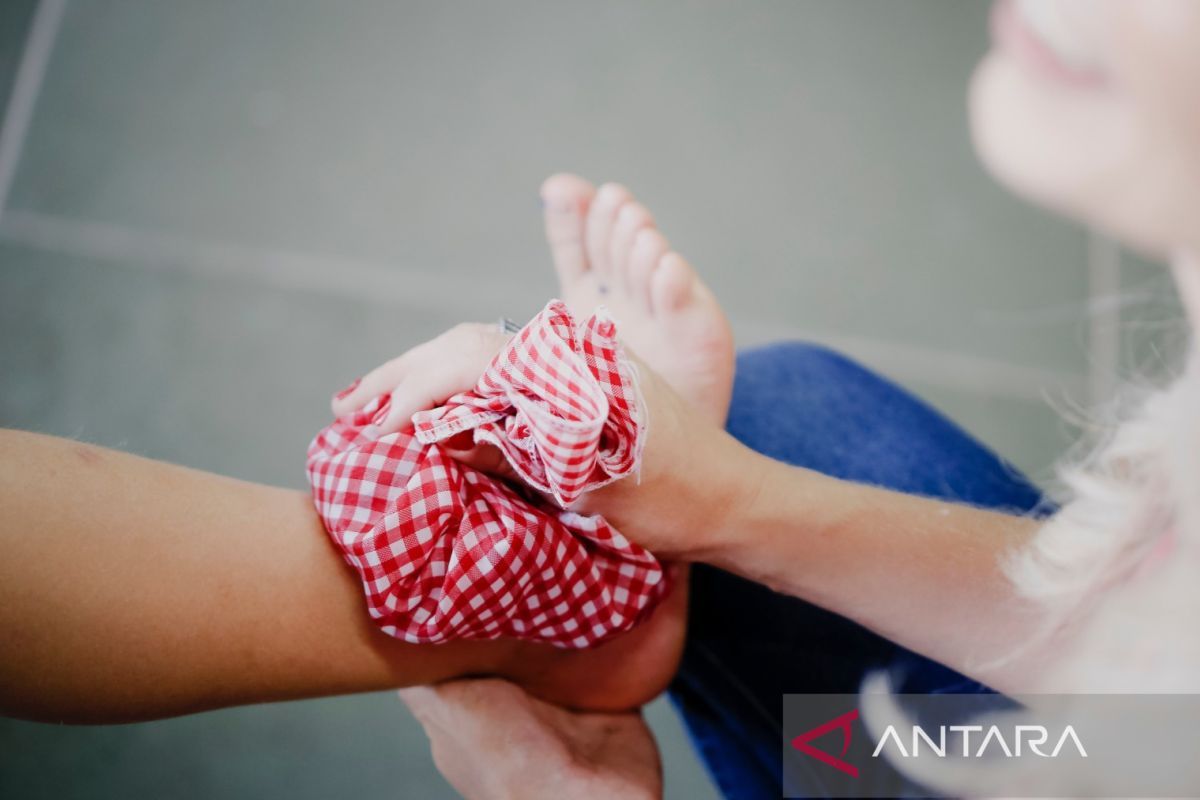
People with fractured sesamoid bones usually have to wear a walking boot for four to six weeks. If the problem is only inflammation, or sesamoiditis, it can be treated with ice packs and anti-inflammatory medication, while avoiding walking barefoot and temporarily switching to low-impact exercise.
“The cuboid is a square-shaped bone that can shift slightly out of its normal position towards the outer side of the foot, causing troublesome pain while running,” Baker said.
According to Baker, a technique called the cuboid whip can be used to move the displaced bone back into its proper position.
Runners may also suffer a fracture of the navicular bone after a marathon. This kidney-shaped bone at the back of the foot has a limited blood supply.
Baker explained that poor circulation makes it difficult for the navicular bone to repair microdamage quickly enough to keep pace with high-intensity training. This can cause pain in the upper and middle parts of the foot, as well as along the inner arch.
Baker said that navicular stress fractures take a long time to heal, and runners often need surgery.
“Foot soreness or pain that makes walking uncomfortable, but is not accompanied by redness, warmth or swelling, is likely to be overuse tendinitis,” he said.
If the problem has not improved after two to three days, Baker advises runners to consult a podiatrist promptly.
To keep their feet in good condition and avoid injury, runners are advised to manage their training intensity and test their running gear several weeks before a marathon, giving their bodies enough time to adapt.
“We recommend wearing new running shoes for at least four to six weeks before race day,” said Dr Mario Porciello-Donnarumma, a foot specialist at Balance Health at the University Foot & Ankle Institute in Southern California.
He advises runners to stop running and seek medical attention immediately if they are injured on race day. Pushing on to the finish while injured can cause long-term damage.
“Putting weight on the foot can instantly worsen an injury and turn a condition that might not have required surgery into an emergency requiring an operation,” he said.
Source: jawawa.id (https://jawawa.id/newsitem/foot-injuries-to-watch-out-for-after-running-a-marathon-1793674356)
Originally published by Antara (Indonesian) (https://www.antaranews.com/berita/5828007/kenali-cedera-kaki-yang-berisiko-muncul-usai-ikut-maraton), translated from Indonesian