
Foods That May Increase the Risk of Oral Cancer: What to Watch Out For
Jakarta, CNBC Indonesia — Diet and the habit of consuming certain foods and drinks can affect a person’s risk of developing cancer.
Cancer risk is influenced by various factors, including lifestyle, exposure to carcinogens, infections and a person’s health. Some commonly eaten foods may also contribute to an increased risk of oral cancer.
According to Eating Well, some studies indicate that ultra-processed foods containing preservatives, artificial sweeteners and high levels of salt can trigger chronic inflammation in the body. This is believed to increase the risk of abnormal cell growth, including in the mouth.
“Certain foods can create an environment in the mouth where cancer can develop over time,” said Kelly F. Moyer, MD, an ear, nose and throat specialist and assistant professor of otolaryngology–head and neck surgery at the University of Maryland School of Medicine.
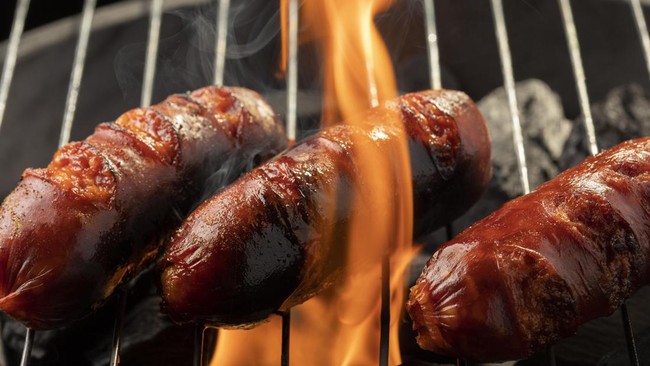
She added that foods which may trigger inflammation and increase the risk of oral cancer include processed meats such as bacon, deli meat, hot dogs and sausages.
Causes of oral cancer risk
“Processed meats, including bacon, sausages, ham, hot dogs and deli meat, have been linked to an increased risk of cancers of the oral cavity and oropharynx,” said Alessandro Villa, DDS, PhD, MPH, head of oral medicine, oral oncology and dentistry at the Herbert Wertheim Cancer Institute in South Florida.
The International Agency for Research on Cancer classifies processed meat as a Group 1 carcinogen, meaning there is sufficient evidence linking it to cancer in humans. Villa said processed meat often contains nitrates and nitrites, which can form carcinogenic N-nitroso compounds.
Oncology dietitian Tejal Parekh said nitrates and nitrites are chemical preservatives added to processed meat to help preserve it. Research has also consistently linked their consumption to several types of cancer, including breast and prostate cancer.
High-temperature cooking produces cell-damaging chemicals
Regularly cooking bacon in a very hot pan or grilling bratwurst over an open flame may increase the risk of some cancers.
“Grilled, smoked and charred meat can also be a concern, because high-temperature cooking produces chemicals called polycyclic aromatic hydrocarbons (PAHs) and heterocyclic aromatic amines (HAAs), which can cause direct DNA damage in your cells,” Moyer said.
Research suggests these compounds may trigger cancer through several mechanisms, including DNA damage and oxidative stress.
Chronic inflammation
Consuming ultra-processed meat may cause chronic inflammation. An inflammatory diet can lead to persistent, low-level inflammation in the mouth, which over time reduces the body’s ability to repair damaged cells.
Changes to the oral microbiome
“A poor diet changes the natural bacteria in the mouth, which are generally protective,” Moyer said.
The mouth is home to more than 700 species of bacteria, many of which help maintain oral and overall health. When this microbial community becomes unbalanced—a condition known as dysbiosis—it can cause inflammation and other changes associated with disease.
Recent research suggests that disruption of the oral microbiome may play a role in the development of oral cancer by triggering chronic inflammation and creating an environment in which abnormal cells can grow.
Symptoms of oral cancer
Symptoms of oral cancer are often detected late. Ammar Sukari, MD, a head and neck medical oncologist at the Barbara Ann Karmanos Cancer Institute, recommends seeking medical attention promptly if you notice any of the following:
A mouth ulcer that does not heal within two to three weeks.
Unexplained discolouration, red patches or speckled patches on the tongue, gums or lining of the mouth.
Sudden tooth loss.
A persistent lump, mass or swelling on the lips, cheeks or gums, or under the jaw.
Unexplained pain or numbness in the lips, cheeks or gums.
Prevention
To reduce risk, people are advised to eat more fresh fruit and vegetables, avoid excessive consumption of ultra-processed foods, and have regular dental and oral check-ups. Early detection is considered key to improving the chances of recovery from oral cancer.
Source: jawawa.id (https://jawawa.id/newsitem/foods-that-may-increase-the-risk-of-oral-cancer-what-to-watch-out-for-1792306230)
Originally published by CNBC Indonesia (https://www.cnbcindonesia.com/lifestyle/20261018115822-33-777195/daftar-makanan-yang-berisiko-memicu-kanker-mulut-hati-hati), translated from Indonesian