
Food Tourism Becomes Shopping Centres’ Strategy for Attracting Visitors
JAKARTA — Shopping centres in Jakarta are continuing to develop dining and leisure spaces to attract visitors seeking experiences beyond shopping. A combination of food choices, open spaces and communal facilities is one way mall operators are responding to the lifestyle needs of urban residents.
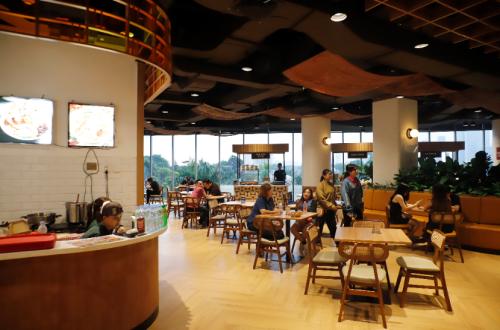
One example is Senayan Park (SPARK), which has opened Langit Nusantara, a food area of more than 600 square metres overlooking a lake in the Senayan area of Jakarta. The destination, managed by Lippo Malls Indonesia (LMI), features 38 food outlets centred on Indonesian cuisine.
Langit Nusantara is on SPARK’s first floor and includes indoor and outdoor areas. Visitors can enjoy a range of food while taking in views of the lake, sunsets and the Jakarta skyline. For its opening, the venue has adopted the theme “Jelajah Rasa Nusantara” (Exploring the Flavours of the Archipelago). The operator plans to change the food theme every three months to give visitors a wider variety of options.
Senayan Park Mall Director Josef N.A. Lumbantobing said the development reflects urban residents’ need for dining venues that can also be used for socialising and relaxing.
“Urban residents now need destinations offering a wide range of food as well as a comfortable atmosphere in which to gather and spend time together. SPARK’s lake and open spaces add value for visitors,” Josef said in a statement on Friday (30 October 2026).
Langit Nusantara was officially opened on Friday (30 October 2026) by Lippo Malls Indonesia CEO Henry Riady, alongside Chief Operating Officer Eddy Mumin, Langit Nusantara operator Asiong Lie and Josef.
The dining area’s design incorporates batik motifs into its interiors, with a combination of brown and terracotta colours. The concept is intended to create an atmosphere reflecting Indonesia’s cultural richness.
Langit Nusantara adds to the food options already available at SPARK, including Danau Sentani, Dion, Bakerzin, Terastime, PAUL, Toby’s Estate, Telaga Senayan and Taliwang Bali.
As well as targeting diners and visitors seeking leisure activities, the operator is catering to demand for informal meetings and business activities. SPARK’s location in Jakarta’s central business district is seen as making its dining spaces suitable for meetings among professionals.
Josef said that developing food facilities and open spaces is one strategy for broadening the role of shopping centres, giving visitors more options for social and business activities.
“Visitors can not only enjoy food and hold business meetings, but also experience a different setting in which to relax and socialise amid the bustle of Jakarta,” he said.
Through this development, Lippo Malls Indonesia is seeking to expand shopping centres’ role as places for dining, leisure and social interaction. Facilities are developed to suit the character of each property and visitors’ needs.
Source: jawawa.id (https://jawawa.id/newsitem/food-tourism-becomes-shopping-centres-strategy-for-attracting-visitors-1793407848)
Originally published by Republika (https://ekonomi.republika.co.id/berita/tnqv7e416/wisata-kuliner-jadi-strategi-pusat-perbelanjaan-tarik-pengunjung), translated from Indonesian