
Food Stocks in West Java Confirmed Secure
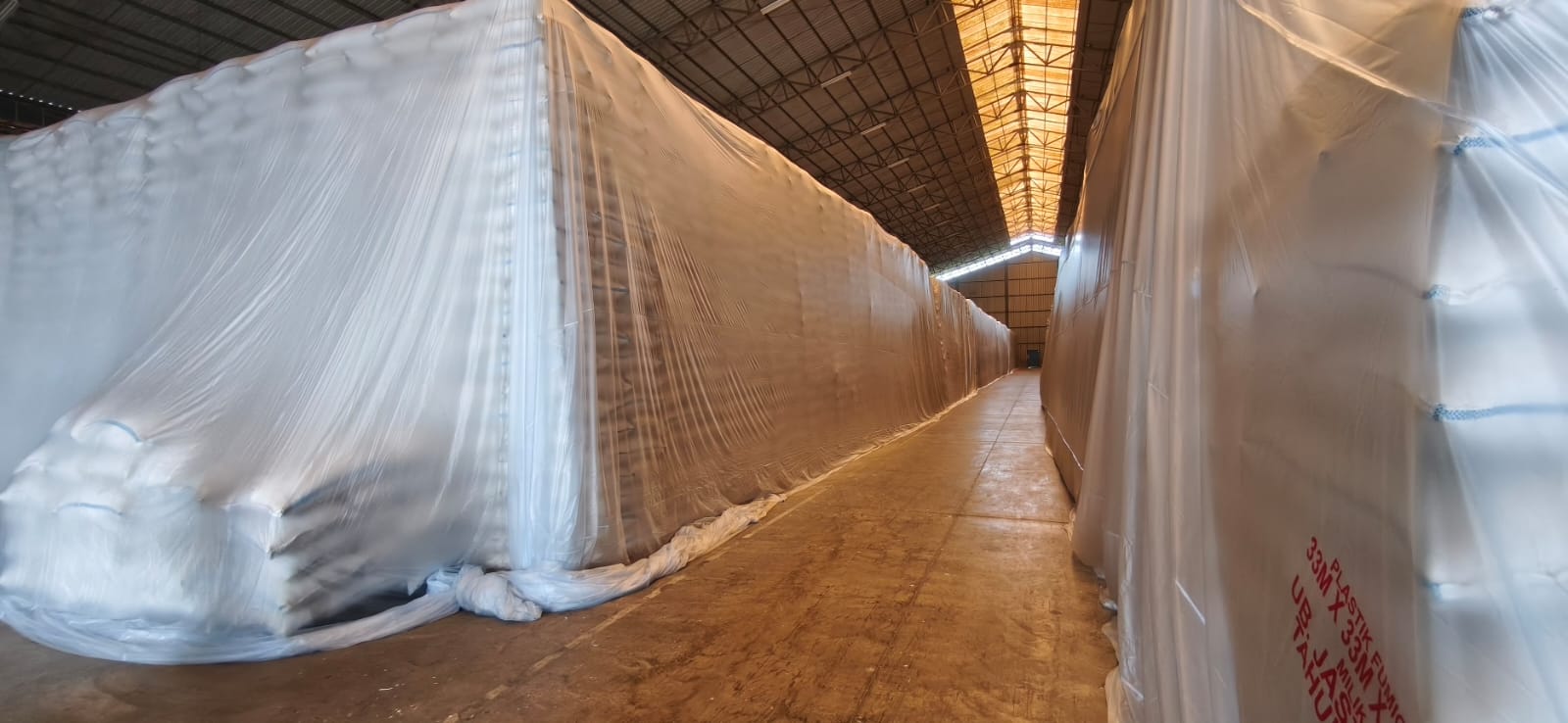
The West Java Provincial Government has confirmed that the availability of 12 strategic staple food commodities is currently in a surplus condition. Nevertheless, several commodities, such as bird’s eye chilli and premium rice, are prone to potential price increases.
The Head of the West Java Food Security and Livestock Agency (DKPP), Linda Al Amin, explained that all main food commodities were in a secure condition as of last August.
“Of the 12 strategic foods monitored—including rice, maize, soybeans, red chilli, bird’s eye chilli, shallots, garlic, beef, chicken, eggs, cooking oil, and granulated sugar—all are in a surplus condition,” she stated on Tuesday (8/9).
While the overall situation shows a surplus and reports indicate that 27 regencies/cities in West Java remain secure, stocks of bird’s eye chilli and shallots are lower compared to other commodities. A shortage is possible given the current dry season.
“In terms of stock resilience, bird’s and shallots need to be monitored closely,” she added.
Based on monitoring by the National Food Agency’s Food Price Panel as of 7 September 2026, real price pressure is beginning to emerge in two main commodities: premium rice and red bird’s eye chilli, both of which have exceeded government reference prices.
The average consumer price for premium rice was recorded at Rp15,020 per kilogram, which is 0.81% above the Maximum Retail Price (HET).
“Although the deviation is relatively low, the price position is already above the HET limit,” Linda added.
Meanwhile, the most significant price pressure is occurring in red bird’s eye chilli. The average market price has surged to Rp70,101 per kilogram. This figure is 22.98% above the upper limit of the Consumer Sales Reference Price (HAP), which is set at Rp57,000 per kilogram.
“This condition shows that the price of red bird’s eye chilli has a significant deviation from the consumer reference price range of Rp40,000 to Rp57,000 per kilogram,” she explained.
As September marks the peak phase of the dry season, the West Java DKPP projects that macro food supplies remain controlled. However, the decline in bird’s eye chilli stocks will continue to be intensively monitored to prevent further potential price volatility at the consumer level.
“However, the decline in bird’s eye chilli stocks must be guarded against,” she concluded.