
Food Self-Sufficiency: Tangible Proof of Independence
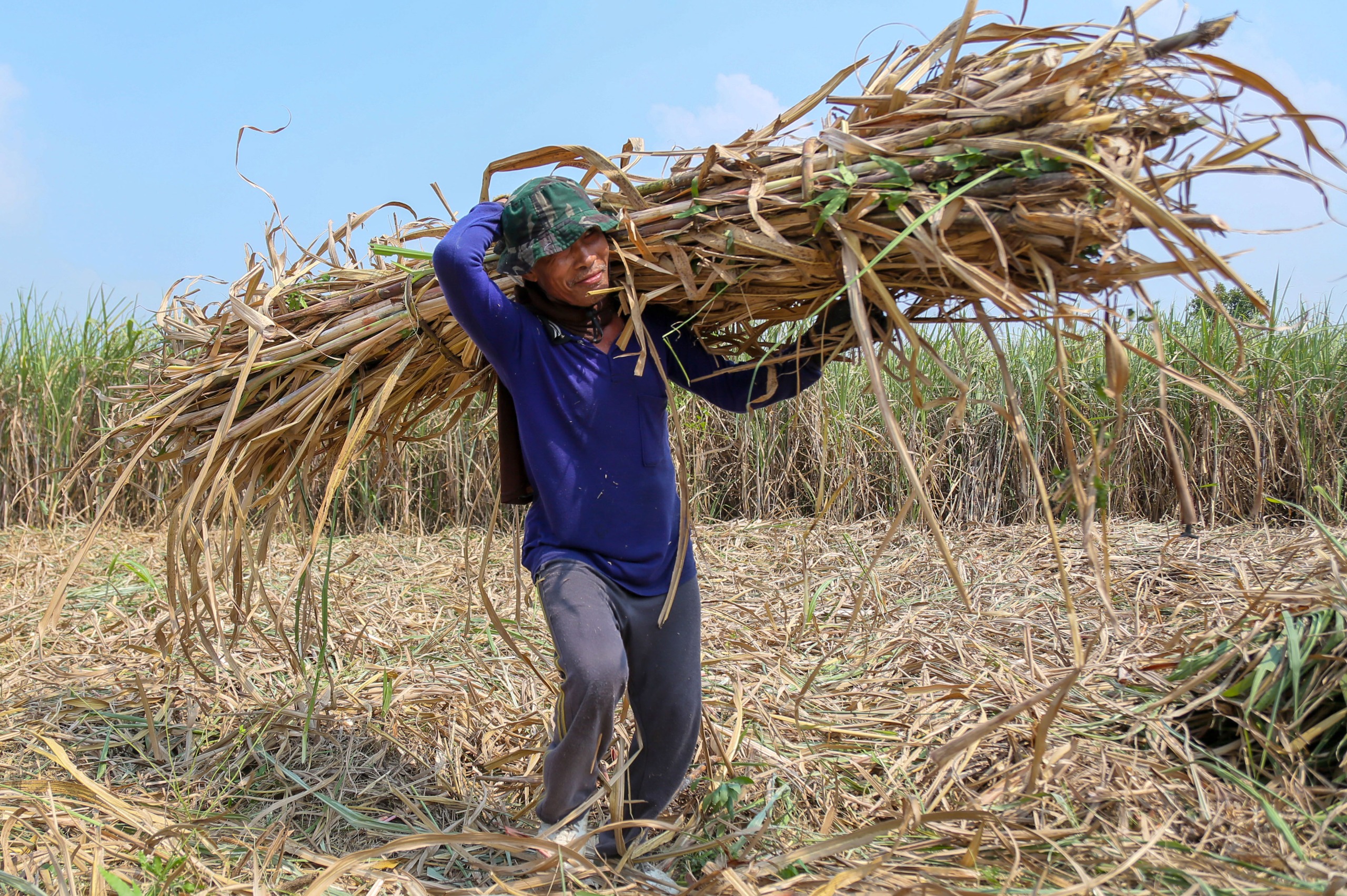
Eighty-one years after the Proclamation of Independence, Indonesia has recorded a historic leap. Starting from a country that two years ago had to import seven million tonnes of rice due to El Niño pressure, Indonesia has now succeeded in increasing production and halting medium-grade rice imports. Not stopping there, the government’s rice reserves (CBP) are the highest in history, and the farmer exchange rate (NTP) is the highest in 34 years, reaffirming food self-sufficiency as a new symbol of the nation’s independence. In a world still overshadowed by food crises, climate change, and geopolitical conflicts, a country’s ability to meet its own food needs becomes a tangible measure of sovereignty. For Indonesia, food self-sufficiency is no longer just a production target or an agricultural sector success. It has become a new symbol of independence, namely the nation’s ability to stand on its own strength without depending on other countries to meet the most basic need: food. The Central Statistics Agency (BPS) recorded Indonesia’s rice production throughout 2025 reached 34.69 million tonnes, an increase of 13.29 per cent compared to the previous year. Meanwhile, the projection for January–September 2026 shows paddy production reaching 49.84 million tonnes of Dry Milled Grain (GKG), an increase compared to the same period the previous year, with an estimated rice production of 28.71 million tonnes. This increase is not merely a statistical figure. It reflects the expansion of planting areas, increased cropping indexes, the use of superior seeds, modernisation of agricultural mechanisation, and easier access for farmers to obtain subsidised fertilisers. Indonesia’s success becomes even more prominent when compared to global conditions. In its Food Outlook report, the Food and Agriculture Organisation (FAO) projects world rice production for the 2026/2027 season will actually decline to around 552.4 million tonnes due to climate pressures, declining farming profits, and reduced planting areas in several major producing countries such as Thailand, the United States, Brazil, and Cambodia. At a time when many countries face production declines, Indonesia is moving in the opposite direction. The FAO estimates Indonesia’s rice production will reach 38.6 million tonnes in the 2026/2027 season. This achievement places Indonesia as the world’s fourth-largest rice producer, after India, China, and Bangladesh, while maintaining its position as the largest producer in the ASEAN region. This success is also reflected in the strengthening of national food reserves. As of the end of July 2026, the government recorded a standing crop or potential paddy still in the fields equivalent to around 10 million tonnes of rice. At the same time, rice stocks held by households, mills, traders, processing industries, and the hotel, restaurant, and café sector are also estimated to reach around 10 million tonnes. Meanwhile, the government rice reserves managed by Perum Bulog have penetrated 5.25 million tonnes, the highest in Indonesian history. President Prabowo Subianto called this achievement the result of the hard work of all Indonesian agricultural personnel. “I gave the task of food self-sufficiency within four years, he managed to achieve it in one year. I express my gratitude,” said President Prabowo to Minister of Agriculture Andi Amran Sulaiman. Responding to this achievement, Amran emphasised that the success of rice self-sufficiency is not just an increase in production figures, but proof that Indonesia is capable of rising from the pressure of the global food crisis through the joint work of all stakeholders. “Alhamdulillah, the President’s directives are beginning to bear fruit. From El Niño conditions that forced us to import heavily, now Indonesia is able to increase production, stop medium rice imports, have the highest government rice reserves in history, and return to self-sufficiency. This is the result of the hard work of farmers, extension workers, the TNI-Polri, local governments, academics, the business world, and all Indonesian agricultural personnel,” said Amran. Amran stressed the government will not stop at this achievement. According to him, various production enhancement programmes will continue to be strengthened so that food self-sufficiency becomes a sustainable foundation while also improving farmer welfare. For the Ministry of Agriculture, the true measure of success is the improvement of farmer welfare. Therefore, various government policies are directed not only to increase harvest yields but also to maintain grain prices at the farm level, improve fertiliser distribution, expand mechanisation, accelerate irrigation development, and strengthen the downstream processing of agricultural commodities so that more added value is enjoyed by farmers. The Central Statistics Agency recorded the farmer exchange rate (NTP) for July 2026 reached 127.84, the highest in the last 34 years. This figure indicates that the economic capacity of farmers continues to strengthen, both to meet household needs and to finance their farming businesses. Amran also confirmed the government will continue to strengthen national sugar production towards self-sufficiency. This production strengthening is carried out by requiring the sugar cane processing industry to own its own sugar cane plantations. In essence, Amran said, this obligation is not new as it is already regulated in Article 43 of Law No. 39/2014 on Plantations. However, this obligation has been widely ignored by business actors due to lax enforcement so far. “This mandatory plantation provision has existed since 2014 through the Plantation Law. Now we are ensuring all business actors truly implement it,” he said. In Ministry of Agriculture Regulation No. 98/Permentan/OT.140/9/2013, the rules regarding sugar factories and their relationship with the fulfilment of sugar cane raw materials are also very strictly regulated. This regulation was issued to overcome raw material conflicts and ensure supply.