
Food self-sufficiency and superior human resources
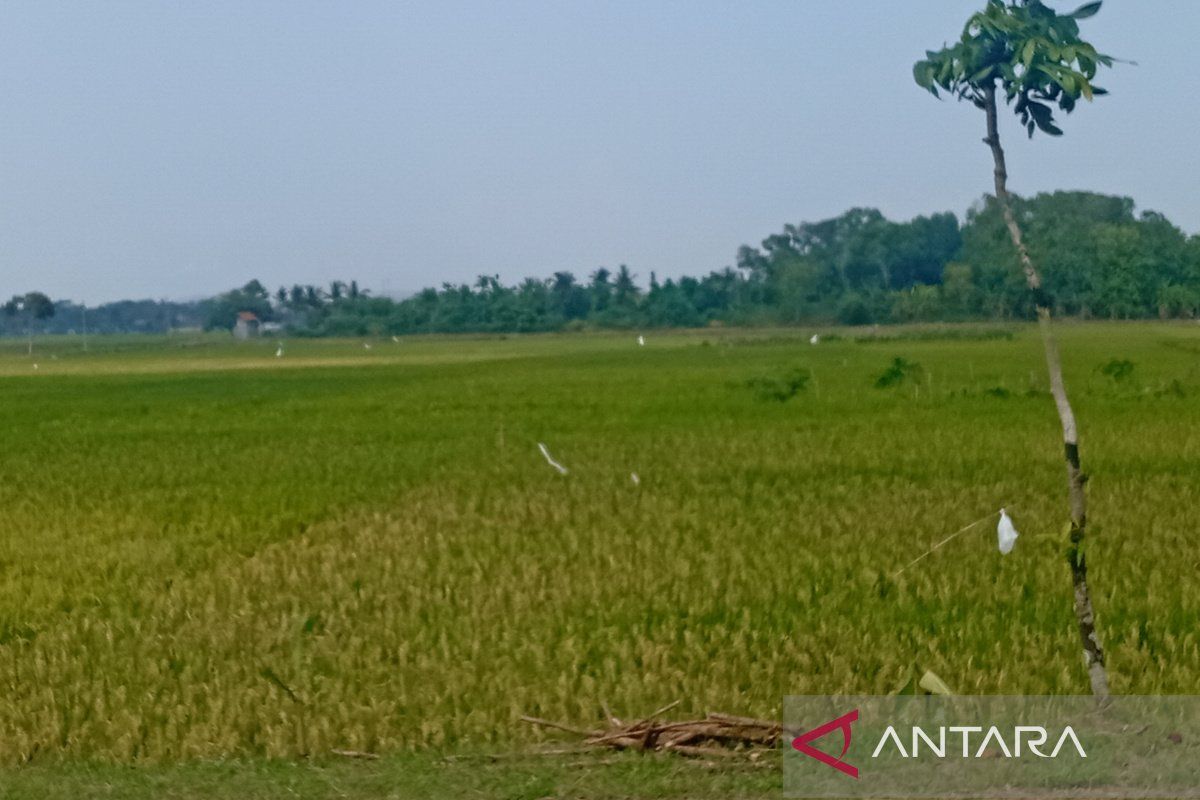
All achievements are not the end, but a stepping stone to go further.
Jakarta (ANTARA) - President Prabowo Subianto’s state address at the Annual Session of the People’s Consultative Assembly (MPR RI) at the Nusantara Building, Central Jakarta, on Friday (14/8), discussed the government’s performance report over the past 21 months.
One of the government’s most important achievements is in the food sector. Quoting the President’s speech, Indonesia is said to have achieved self-sufficiency faster than the initial target.
The government also stated that this success was achieved amid growing global concerns about a food crisis due to climate change.
In the food sector, for example, President Prabowo said Indonesia has achieved self-sufficiency in eight food commodities within one year.
The eight commodities are rice, corn, consumption sugar, chicken meat, chicken eggs, shallots, large chillies, and bird’s eye chillies.
The President assessed that one of the factors accelerating production increases came from simplifying fertiliser governance.
This policy was followed by increased fertiliser distribution throughout this year. Pupuk Indonesia (a state-owned fertiliser producer) has a production capacity of 14.8 million tonnes of fertiliser per year through five main producers.
For 2026, the national subsidised fertiliser allocation is set at 9.55 million tonnes, consisting of urea, NPK, organic fertiliser, and ZA fertiliser.
Pupuk Indonesia also reported that the realisation of subsidised fertiliser redemption until the end of June 2026 increased by about 30 percent compared to the same period last year.
This distribution is supported by a network of 494 warehouses, more than 1,000 distribution businesses, and a digital monitoring system that tracks fertiliser distribution from factories to handover points in real time.
Independence in the food sector is not only about meeting consumption needs, but also part of safeguarding national sovereignty. When Indonesia is able to produce food independently, we not only reduce dependence on imports, but also strengthen national resilience as a whole.
Therefore, support for the agricultural sector is one of the main focuses in implementing the Asta Cita. This opens wide space for collaboration between the government and strategic actors, such as Pupuk Indonesia, to deliver real solutions in strengthening the national agricultural ecosystem.
Indonesia as an agrarian country has great potential in agriculture. However, global and domestic challenges still need to be anticipated properly.
Climate change