
Food security and the road home for inmates on Nusakambangan
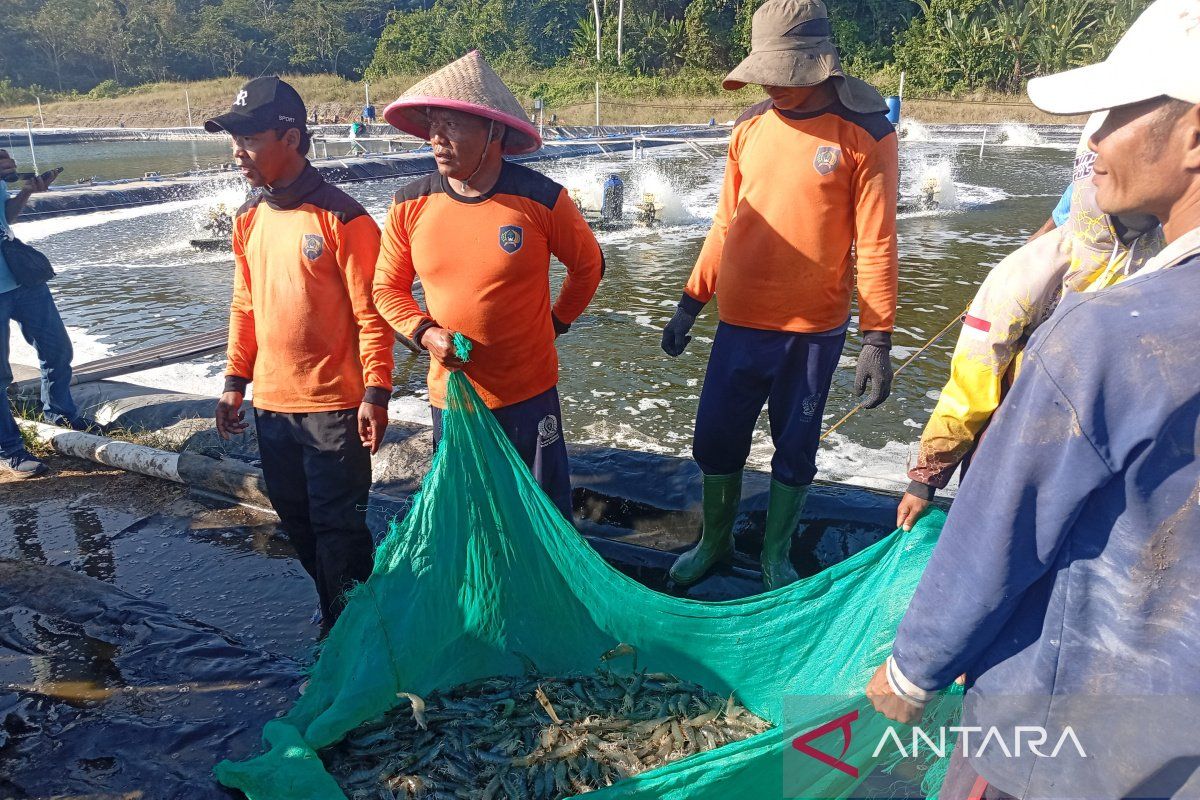
For most Indonesians, Nusakambangan is synonymous with prison island, as it houses 12 correctional institutions and one probation office. For decades, this island, located south of Cilacap Regency, Central Java, has been associated with high-security prisons, serious offenders, and a reputation that creates a daunting impression on the public.
However, the face of Nusakambangan is gradually changing. Behind prison walls and multi-layered security, vast expanses of productive farmland, livestock, and fisheries are flourishing. The island, long known as a place to serve sentences, is now also becoming a learning space for inmates to acquire skills and prepare for life after release.
In the Bantar Panjang area, for instance, vanname shrimp aquaculture ponds stretch across 7.5 hectares. At Kembangkuning Prison, inmates manage vineyards, oyster mushroom cultivation, watermelon farming, and sheep farming. Meanwhile, behind Batu Prison, hundreds of eel ponds are being developed to become one of the largest eel aquaculture centres in Indonesia.
These programmes are not merely efforts to support national food security. Behind every pond, garden, and enclosure, there is a rehabilitative process providing inmates with the skills necessary to ensure better opportunities when they return to the community.
Learning from shrimp ponds
On a typical morning, activities in the Bantar Panjang vanname shrimp pond area begin well before the sun is high. Several inmates can be seen moving from one pond to another, checking water conditions, preparing feed, and ensuring the entire aquaculture process follows the schedule.
One such individual is Suratman, an inmate from Permisan Class IIA Prison originally from Riau. He admitted to having no prior experience in shrimp aquaculture before participating in the rehabilitation programme at Nusakambangan. However, the opportunity provided has allowed him to gradually understand a job that previously felt foreign.
“I am learning here,” he said briefly when asked how he came to understand vanname shrimp aquaculture.
Through training and direct practice, Suratman has begun to learn feeding methods, the use of medicines, and pond management. Although the work requires discipline and precision, he said he does not feel burdened because all activities are carried out collectively.
According to him, the working atmosphere involving many inmates makes the work feel lighter. Furthermore, these activities make the time spent serving his sentence feel more productive. When asked if he intends to open a shrimp farm after his release, Suratman firmly replied that such an ambition is in his mind.
His brief answer illustrates how the skills acquired during rehabilitation are beginning to foster new hope.
Ahmad Khofi Asalafi, a supervisor for the vanname shrimp aquaculture activity, stated that the pond area covers approximately 7.5 hectares of productive land. On this land, there are 20 aquaculture ponds, each measuring about 3,000 square metres. Around 11 to 11.5 million shrimp larvae have been stocked in these ponds.
The primary activity at the site is the grow-out of vanname shrimp to a consumable size ready for market, with a maintenance period of approximately 120 days from the time the larvae are stocked.
In daily operations, inmates play a vital role. They are involved in all production stages, from feeding and monitoring shrimp health to providing special treatments and managing water quality. Each inmate is responsible for one pond. Before working in the field, inmates receive basic training in vanname shrimp aquaculture, including correct feeding techniques, pond maintenance, and health management.
Feed is provided five times a day, at 06:00, 10:00, 14:00, 18:00, and 22:00 WIB. In addition to feeding, inmates perform various other tasks, such as cleaning ponds and monitoring the condition of the pond bottom.
The main goal of the programme is not only to produce shrimp for the market but also to equip inmates with economically valuable skills. In addition to gaining expertise, inmates also receive bonuses from the production results, which are saved in their names to serve as capital for when they are released.
Source: jawawa.id (https://jawawa.id/newsitem/food-security-and-the-road-home-for-inmates-on-nusakambangan-1781959963)
Originally published by Antara (Indonesian) (https://www.antaranews.com/berita/5616184/ketahanan-pangan-dan-jalan-pulang-warga-binaan-nusakambangan), translated from Indonesian