
Food Security and Nutritional Security
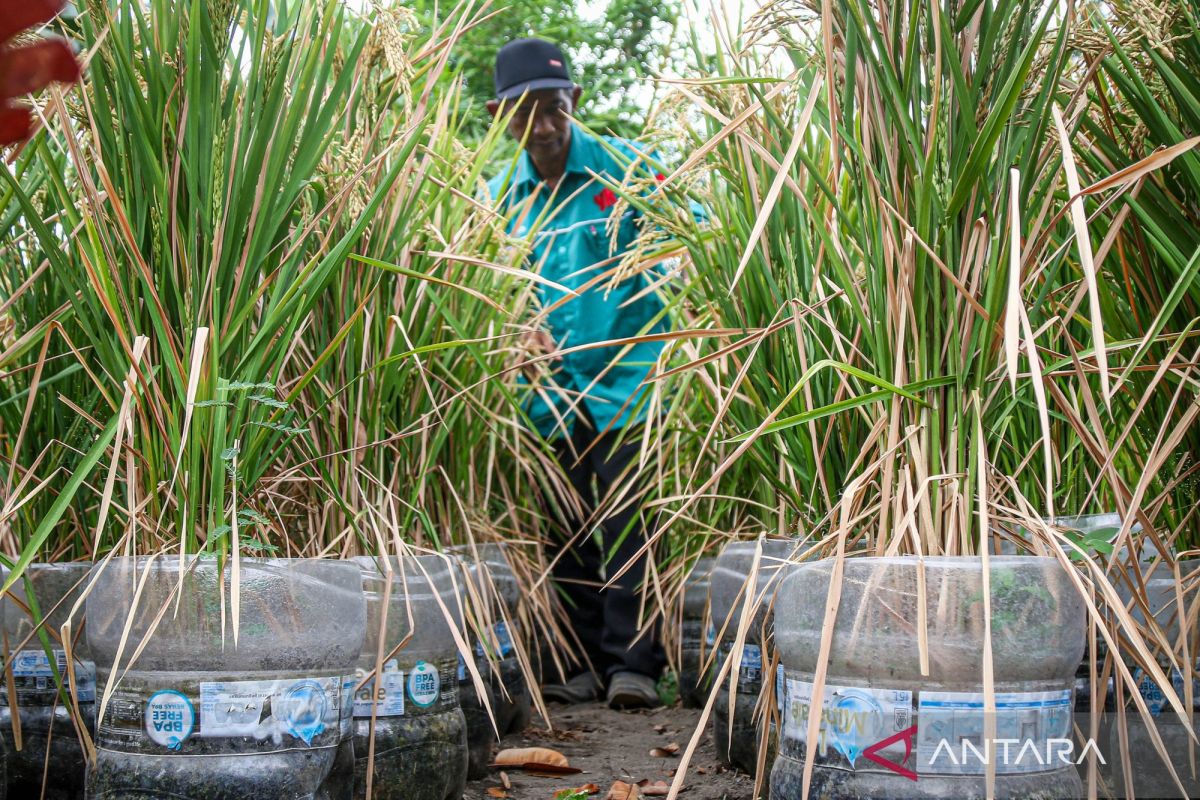
Indonesia must be more than just a food-secure nation; it must also become a nutritionally secure nation.
Food security and nutritional security are two inseparable elements. Food available in sufficient quantities does not necessarily produce a healthy society if nutritional quality is not met. Conversely, efforts to improve public nutrition will struggle to achieve optimal results if food availability and affordability are not guaranteed.
In Indonesia, food and nutrition matters are managed through, among others, the National Food Agency and the National Nutrition Agency. Both institutions hold strategic positions because food issues do not end with how to provide food supplies, but also involve ensuring that such food is affordable, safe, diverse, nutritious, and utilised to improve the quality of life for the community.
Food and nutritional security essentially describes the condition of meeting food and nutritional needs, from the national level down to the individual. This condition is reflected in the availability of food in adequate quantity and quality, being safe, diverse, meeting nutritional requirements, equitable, and affordable, as well as being consistent with the religion, beliefs, and culture of the community.
The ultimate goal is not merely to free the population from hunger, but to realise a good nutritional status so that every person can live a healthy, active, and sustainably productive life.
In the 2021–2024 Food and Nutrition Security Strategy, the government employs three main approaches: availability, accessibility, and food utilisation. These three approaches remain relevant as a framework for addressing current challenges in food and nutrition development.
From the availability perspective, policies are directed towards increasing the production of diverse food sources, ensuring food safety from the production process, managing government and community food reserves, managing food exports and imports, and addressing post-harvest losses or food loss. Enhancing the nutritional value of food sources through biofortification is also a vital component.
Meanwhile, accessibility relates to the stability of supply and prices, public access to market information, and the strengthening of MSMEs, cooperatives, and village-owned enterprises in the food sector. This also includes the development of food social safety nets, food provision in emergency situations, strengthening community self-reliance in areas vulnerable to food insecurity and disaster impact, the development of logistics systems, and the utilisation of international food trade.
Source: jawawa.id (https://jawawa.id/newsitem/food-security-and-nutritional-security-1788952133)
Originally published by Antara (Indonesian) (https://www.antaranews.com/berita/5733220/tahan-pangan-dan-tahan-gizi), translated from Indonesian