
Food Safety Standards Need Strengthening
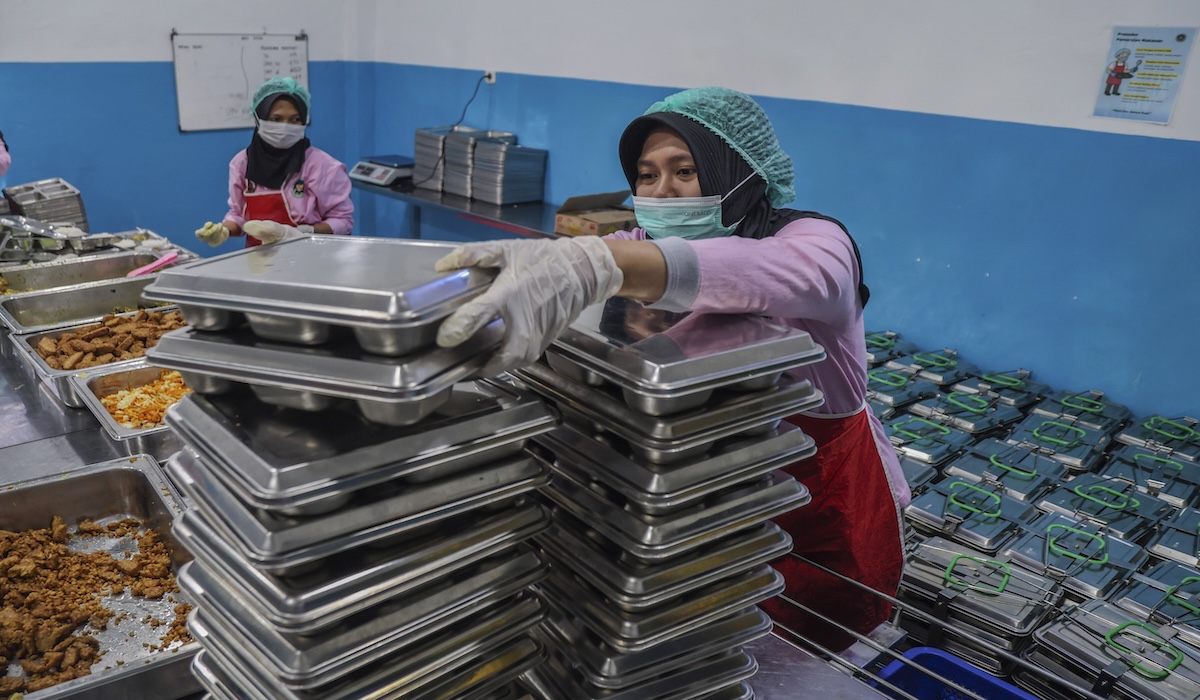
The Association of Free Nutritious Meal Caterers and Managers (APPMBGI) is pushing for strengthened governance of the Free Nutritious Meals (MBG) programme through several strategic measures. These efforts are deemed important to ensure service quality, food safety, and continued protection of children’s health.
APPMBGI Chairman Abdul Rivai Ras stated that a comprehensive evaluation of the MBG programme implementation is necessary to make the programme increasingly effective, transparent, and earn broader public trust.
According to Rivai, the government together with the National Nutrition Board (BGN) has significant opportunities to strengthen programme governance through comprehensive audits and evaluations, covering both budgetary aspects and operational kitchens or MBG Service Units.
“A comprehensive evaluation is important to ensure this programme is truly student-oriented, not merely a project,” Rivai said when met at his office in East Jakarta on Friday (23 May).
Rivai also emphasised the importance of strengthening food safety standards in the implementation of MBG. He believed that oversight of sanitation, sterilisation of equipment, and food processing procedures needs continuous improvement to ensure the quality of food received by students remains safe and fit for consumption.
“The government must take swift action to tighten oversight of sanitation, sterilisation of equipment, and food processing,” he said.
As part of strengthening work on the ground, APPMBGI proposed that schools be given a greater role in maintaining food quality. Rivai believed that school authorities need the authority to reject or return food if deemed unfit for consumption.
“The BGN can empower and give schools the courage to return or reject food if deemed unfit, stale, or unhygienic upon receipt,” he said.
Additionally, APPMBGI encourages the involvement of local nutrition personnel, related associations, and credible certification bodies to strengthen the food quality monitoring system. The involvement of various parties is believed to make programme oversight more effective, responsive, and suited to field conditions.
Rivai added that information transparency to the public is also an important part of strengthening public confidence in the MBG programme. According to him, open disclosure of evaluation results, investigations, and mitigation measures can demonstrate the organisers’ commitment to maintaining programme quality.
“Organisers are expected to be more open about investigation results and mitigation of case handling so that public confidence can be restored,” he said.
Rivai emphasised that these various strategic measures are part of joint efforts between the government, civil society, and associations to ensure the MBG programme runs increasingly well. With strong governance, the programme is expected to continue supporting child nutrition fulfilment, maintaining product quality, and ensuring sustainable benefits for students.