
Food Coordinating Ministry Emphasises SLHS for SPPG to Ensure Food Safety
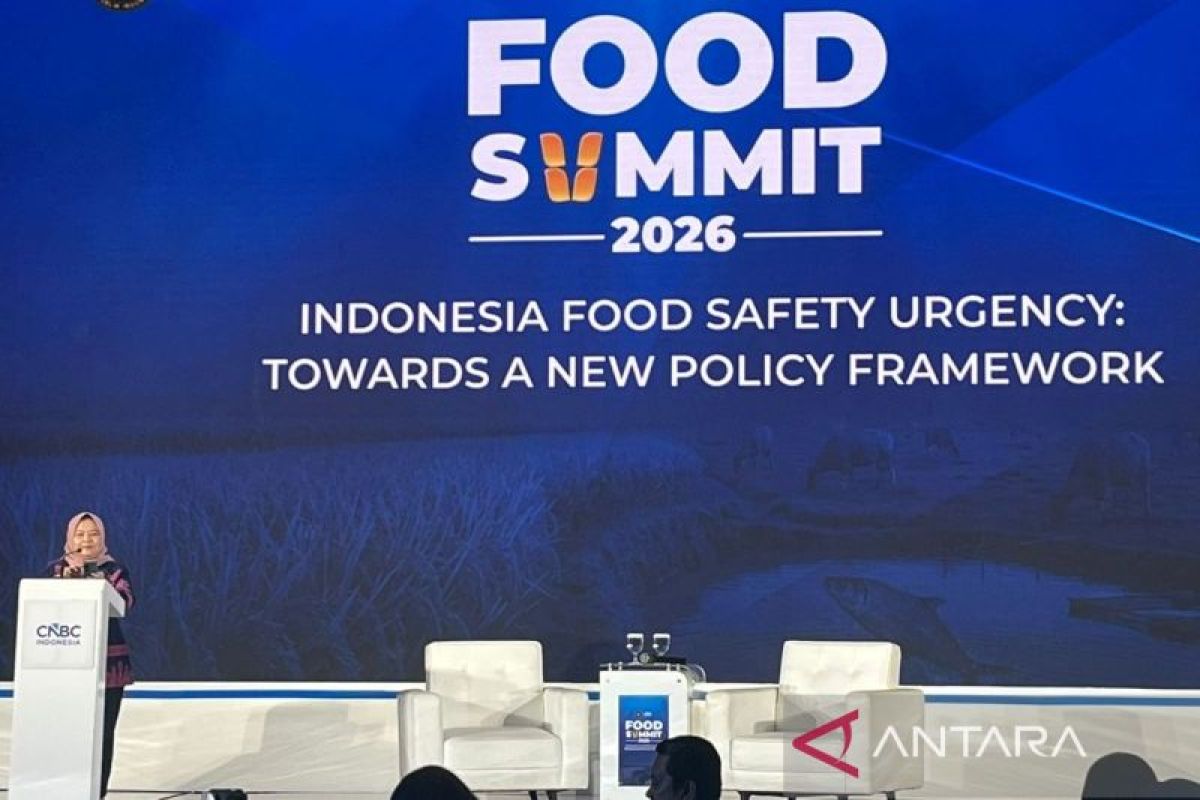
Jakarta (ANTARA) - The Coordinating Ministry for Food has emphasised the implementation of the Hygiene and Sanitation Certificate (SLHS) for Nutrition Fulfilment Service Units (SPPG) to ensure food safety in the execution of the Free Nutritious Meals (MBG) programme.
Deputy for Coordination of Food Affordability and Safety at the Coordinating Ministry for Food, Nani Hendiarti, stated during the Food Summit 2026 in Jakarta on Monday that this policy was adopted following an increase in food poisoning cases from August to October last year.
“Therefore, we can reach an agreement that SPPG or kitchens must or are required to have SLHS, which previously was not mandatory,” she said.
According to her, the implementation of the SLHS requirement is effective in suppressing the potential for poisoning. Data shows that the number of SPPG holding the certificate has increased significantly, from around 2% in October last year to 41% in April this year.
The Coordinating Ministry for Food is optimistic that this figure will continue to rise along with tightened supervision, including temporary suspensions for SPPG that do not yet meet the requirements.
In addition, she said the government has also prepared eight technical guidelines (juknis) that regulate the entire process, from raw material preparation to procedures for handling extraordinary events (KLB).
Furthermore, she conveyed that food safety is a crucial aspect in supporting sustainable development while protecting the public from the risks of consuming unsafe food.
She explained that there are three main focuses in the national food safety policy. First, preventing unsafe food materials from being consumed by the public.
Second, strengthening integrated food safety supervision. Third, carrying out mitigation against extraordinary events, such as food poisoning cases.
She also explained that globally, losses due to unsafe food reach $110 billion per year or around Rp1,760 trillion, covering health costs, loss of productivity, and impacts on middle- and low-income countries.
Meanwhile, in Indonesia, losses are estimated to reach Rp20–30 trillion per year, including impacts on MSMEs, exports, tourism, and labour productivity.
In addition, World Health Organisation (WHO) data shows that every year there are around 1.6 million cases of diseases due to unsafe food. Even more than 200 types of diseases can be caused, with vulnerable groups such as children under five years old.