
Following Madonna Scandal, Australia Imposes Total Ban on AI-Generated Music
Australia is tightening music chart regulations by banning songs that are substantially or entirely created using artificial intelligence (AI) from entering the national music charts.
The new rule mandates that all songs seeking entry into the Australian charts must be works substantially created by humans. The Australian Recording Industry Association (ARIA) stated that the regulation aims to preserve and promote the human element in musical works, according to the BBC.
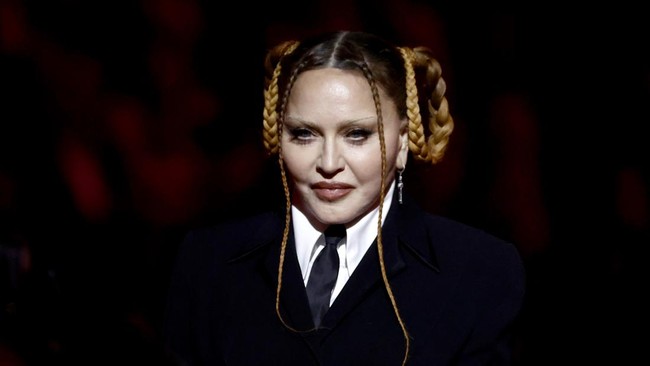
This policy emerges following the controversy surrounding an AI-assisted cover of Madonna’s ‘Like A Prayer’ performed by Australian DJ Josh Fawaz. The track previously topped the ARIA Dance Singles Chart and reached second place on the overall Australian charts. The song had even entered several commercial radio station playlists and had been played over 48 million times on Spotify. Following criticism, Fawaz subsequently added credits for the use of generative AI in the song’s documentation.
ARIA believes Australian musicians must now compete for attention within the most crowded market in history. The organisation emphasised that it does not wish to promote or celebrate the success of music that is entirely AI-generated and lacks human artistic work.
However, the new rules do not prohibit musicians from using AI as a tool. ARIA still permits the use of AI as long as humans write the song, perform the lead vocals, and play the primary instruments. AI technology can also still be used for the mastering process, and the use of devices such as drum machines and auto-tune remains permitted.
ARIA CEO Annabelle Herd stated that these changes are necessary to keep pace with the rapid developments in music technology. “This change reflects our intention to remain dynamic and promote the human nature of artwork in a space that is, at the very least, evolving very rapidly,” said Herd.
Herd added that musicians are already using various AI tools in their creative processes. In her view, charts must continue to evolve so that there is space for such technological use. However, she distinguished between using AI as an aid and music generated entirely by AI services using recordings owned by musicians.
“Artists are already using AI tools in their work; charts can and must evolve to continue providing space for that, but music created entirely by services built from artists’ recordings is a different matter,” Herd noted. She also warned that rewarding AI-generated works that lack proper licensing could harm the music industry. “Charts that reward unlicensed AI outputs will undermine the very foundation of recorded music that we exist to represent.”
Under the new rules, musicians are required to declare the use of AI when submitting songs for chart consideration. ARIA may also retrospectively change a song’s position if it is later proven that the work was largely created using AI. If a song has already reached number one, ARIA may even request that the award granted for that achievement be returned. Musicians and their representatives retain the right to appeal decisions regarding chart exclusions.
Similar policies are beginning to emerge in several other countries. Earlier this year, a song was removed from the Swedish charts after it was proven to be AI-generated. In July, the International Federation of the Phonographic Industry (IFPI) also announced it would implement AI-related guidelines across Latin America, the Middle East, Africa, and Southeast Asia for use in official music charts. The latest ARIA code, which references IFPI directives, also excludes music that raises concerns regarding the manipulation of streaming numbers or chart positions.
Source: jawawa.id (https://jawawa.id/newsitem/following-madonna-scandal-australia-imposes-total-ban-on-ai-generated-music-1789394252)
Originally published by CNBC Indonesia (https://www.cnbcindonesia.com/tech/20260914123317-37-767686/gara-gara-skandal-madonna-australia-larang-total-ai), translated from Indonesian