
Following KPK Attention, Mataram City Government Tightens Management of Pokir Budgets
The Mataram City Government (Pemkot) is tightening the governance of the Regional House of Representatives’ (DPRD) pokok-pokok pikiran (pokir) — legislative initiative aspirations — after receiving attention from the Corruption Eradication Commission (KPK). The preventive measure is aimed at anticipating potential irregularities and corrupt practices in budget implementation.
Mataram Mayor Mohan Roliskana said the KPK has documented and mapped the phenomenon of pokir implementation. This attention serves as a serious note for both the executive and legislative branches.
“Yesterday the KPK photographed the whole phenomenon of this pokir. So there are points of emphasis given by the KPK, including to the executive, so that we can all work with peace of mind,” Mohan said in an interview on Monday (7/9/2026).
Mohan stressed the importance of reforming pokir governance to place greater emphasis on administrative rules and the appropriateness of its use. Although pokir originates from community aspirations during DPRD recess, its governance and implementation must remain legally sound.
As a precaution, the Mataram City Government signalled it will limit pokir allocations in the form of direct grant funds in the forthcoming budget. Pokir will instead be directed through programmes of the regional government units (OPD).
“That is the emphasis — so that everything is safe. It is more about programmes (joint acceleration with OPD). The OPD will carry them out,” he said.
According to Mohan, OPDs are given the authority to reject or not implement pokir programmes deemed to breach regulations or fail to meet administrative requirements.
“Yes, the OPD must also be able to provide reasoned explanations for not implementing what is intended to be a programme,” he said.
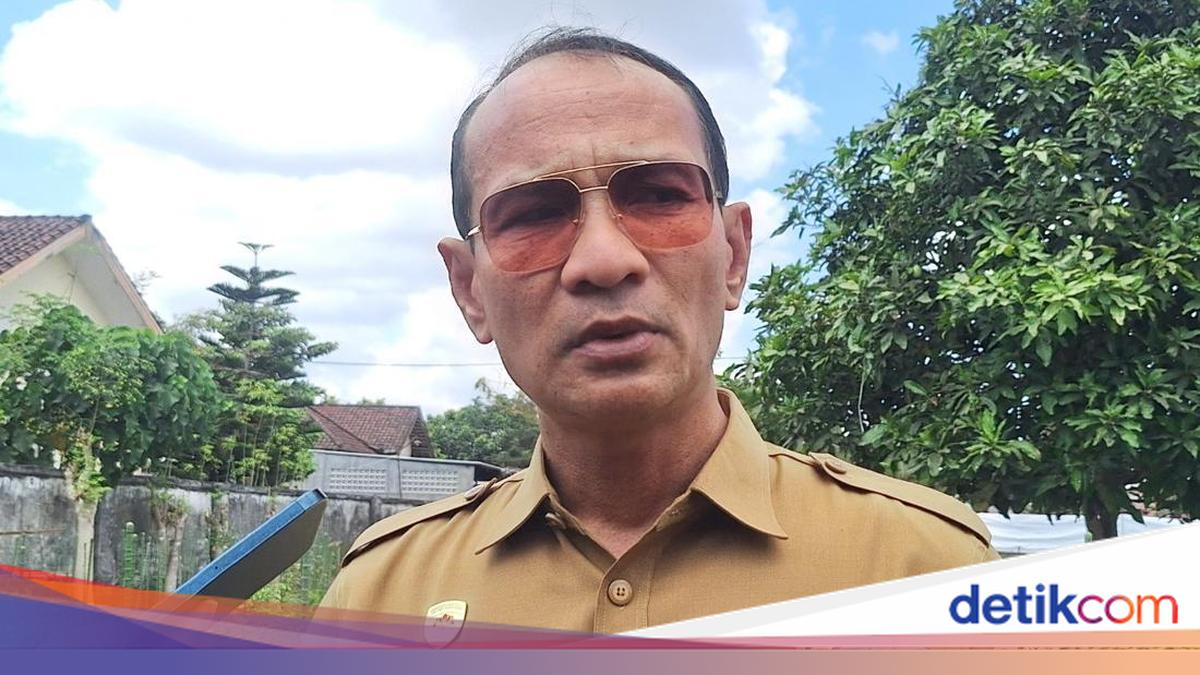
Mataram Regional Secretary (Sekda) Lalu Alwan Basri assured that the city government will apply transparency and strict oversight of pokir funds, including those in the form of social assistance (bansos).
“Very strict — we are being cautious with this. We comply with the rules,” he said.
Alwan emphasised that the primary basis for pokir and bansos proposals must be purely the results of recess that genuinely reflect community needs. In addition, all pokir proposals must go through a formal review stage by internal supervisors.
“The underlying data is the recess results, whether it is grants or bansos. But if it is indeed based on recess, then reviewed by the Inspectorate, and the Inspectorate says it is fine, we proceed,” he stated.
As previously reported, Maruli Tua Manurung, Director of Coordination and Supervision for Region V at the KPK, conveyed a similar message after holding a coordination meeting on the monitoring and evaluation of regional governance in West Nusa Tenggara (NTB) together with the Ministry of Home Affairs, BPKP, LKPP, and provincial government and DPRD officials.
“So the KPK is collaborating with the Ministry of Home Affairs, BPKP, and relevant agencies to continue strengthening good governance. The focus is on areas that are vulnerable and have a direct impact on public services, especially development planning, budgeting, and the procurement of goods and services in NTB,” Maruli said on Wednesday evening.