
Follow-up US-Iran Talks in Switzerland Postponed, Hormuz Strait Uncertainty Continues
Planned follow-up talks between the United States and Iran to advance a Middle East ceasefire agreement have been officially postponed. The announcement was made by facilitator Switzerland on Friday (20/6/2026), just hours after a visit by US Vice President JD Vance to the country was abruptly cancelled.
The Swiss Foreign Ministry stated that the negotiations, originally intended to involve four nations—the United States, Iran, Qatar, and Pakistan—could not proceed as scheduled. Nevertheless, the Swiss government affirmed its commitment to continue facilitating the diplomatic process.
“The planned talks between the United States, Iran, Qatar, and Pakistan have been postponed,” read an official statement from the Swiss government. Authorities added that technical preparations at Burgenstock, the intended host venue for the meeting, are still ongoing.
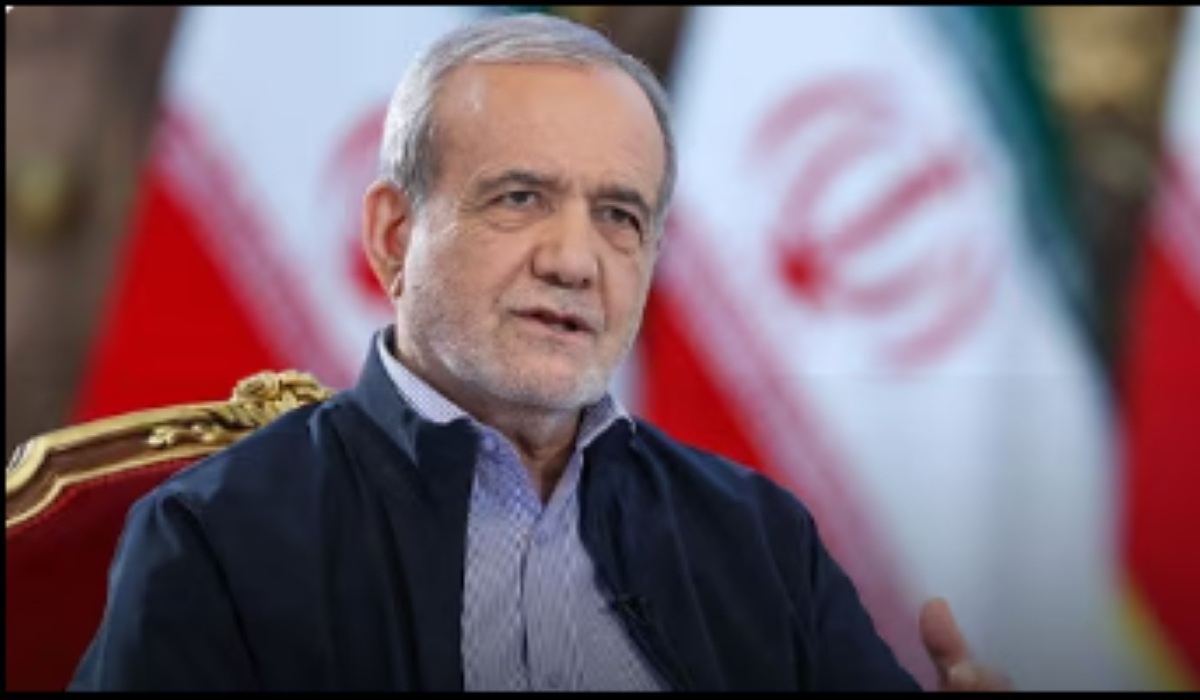
The postponement adds a layer of uncertainty to the implementation of the agreement signed earlier this week by US President Donald Trump and Iranian President Masoud Pezeshkian. The historic deal was designed to end the conflict in Iran, reopen the Strait of Hormuz, and commence a 60-day negotiation period on strategic issues, including Tehran’s nuclear programme.
From Washington, the White House clarified that the cancellation of Vice President Vance’s trip does not mean the diplomatic process has halted entirely. “The logistics of this kind of negotiation are never simple or easily predictable. We hope the technical discussions can begin as soon as possible,” a White House spokesperson said.
Meanwhile, the situation in Tehran remains shrouded in uncertainty. Tasnim news agency reported that there is still no confirmation regarding the departure of the Iranian delegation to Switzerland.
Iran’s Supreme Leader, Ayatollah Mojtaba Khamenei, stated he had given his blessing to the agreement, although he acknowledged having some personal objections. Khamenei stressed that his approval was based on the government’s commitment to safeguarding the rights of the Iranian people.
“I have a different view regarding this agreement,” Khamenei wrote in an official statement. While opening the possibility for direct negotiations with the US in the future, he emphasised that this does not mean Iran accepts all of Washington’s political views.
Meanwhile, Iran’s chief negotiator, Mohammad Bagher Ghalibaf, issued a stern warning that Tehran would respond firmly if any points in the agreement were violated by the opposing side.
As part of the initial implementation, the US military lifted its naval blockade of Iranian ports. However, traffic in the Strait of Hormuz has not yet fully recovered. Tankers from Saudi Arabia and a French gas carrier have begun transiting, but every vessel is now required to apply for a permit from a newly established Iranian supervisory body. During the 60-day transition period, the Iranian government stated it will not charge permit fees to applicants.
As of the time of reporting, the international community continues to monitor developments at Burgenstock, hoping the postponement is merely technical and will not derail the newly initiated peace momentum.