
FMCG–Property Collaboration Drives Leisure Expansion, Taro Waterpark as New Market Test in...
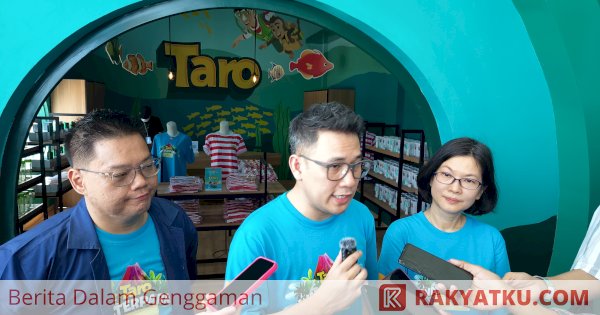
Expansion in the recreation sector in eastern Indonesia is increasingly showing a new direction. It is no longer just entertainment projects, but part of a cross-sector business integration strategy. The launch of Taro Waterpark in the CitraLand Tallasa City area serves as an example of how the fast-moving consumer goods (FMCG) industry is entering the property and leisure ecosystem to expand business value.
The collaboration between FKS Food Sejahtera, FKS Land, and area developers demonstrates a strategic shift: from selling products to building experiences. This step reflects the company’s efforts to extend the consumer interaction cycle not only during product purchases but also during family activities.
From a business perspective, this approach opens up new revenue sources while strengthening brand engagement. Taro, previously known as a snack product, is now being tested as intellectual property (IP) that can be monetised through physical destinations. This model is common in global markets but remains relatively new in Indonesia, particularly outside Java.
From the property side, the presence of a waterpark in an integrated area like Tallasa City is not merely a complementary facility but an instrument for increasing area value (value creation). Recreation facilities are seen as capable of driving traffic, accelerating unit sales, and enhancing investment appeal in the area.
Tallasa City itself is being developed as a self-sufficient city spanning 700 hectares, positioned as a new growth centre in eastern Indonesia. The integration of housing, education, commercial spaces, and leisure forms a strategy to create an ecosystem independent of the old city centre.
The inclusion of family recreation elements also addresses urban demographic changes. The middle class in cities like Makassar shows increasing demand for affordable yet quality entertainment spaces. With a trial ticket price of Rp25,000, Taro Waterpark appears to target the mass market segment, not premium, indicating that visitor volume is key to its business model.
This is where the strength of the collaboration is tested. FKS Food has advantages in brand awareness and distribution, while FKS Land controls area development. If the synergy works effectively, Taro Waterpark has the potential to become a new blueprint for FMCG–property integration in eastern Indonesia.
Furthermore, this step also affirms that Makassar is no longer just a secondary market but is beginning to be positioned as a new growth hub. Investments in lifestyle and recreation sectors indicate growing confidence among business players in the purchasing power and economic potential of the area.
Source: jawawa.id (https://jawawa.id/newsitem/fmcg-property-collaboration-drives-leisure-expansion-taro-waterpark-as-new-market-test-in-1776520253)
Originally published by rakyatku.com (https://rakyatku.com/read/238271/kolaborasi-fmcgproperti-dorong-ekspansi-leisure-taro-waterpark-jadi-uji-pasar-baru-di-makassar), translated from Indonesian