
Flores 'Hobbit' Species Walked More Like Modern Humans
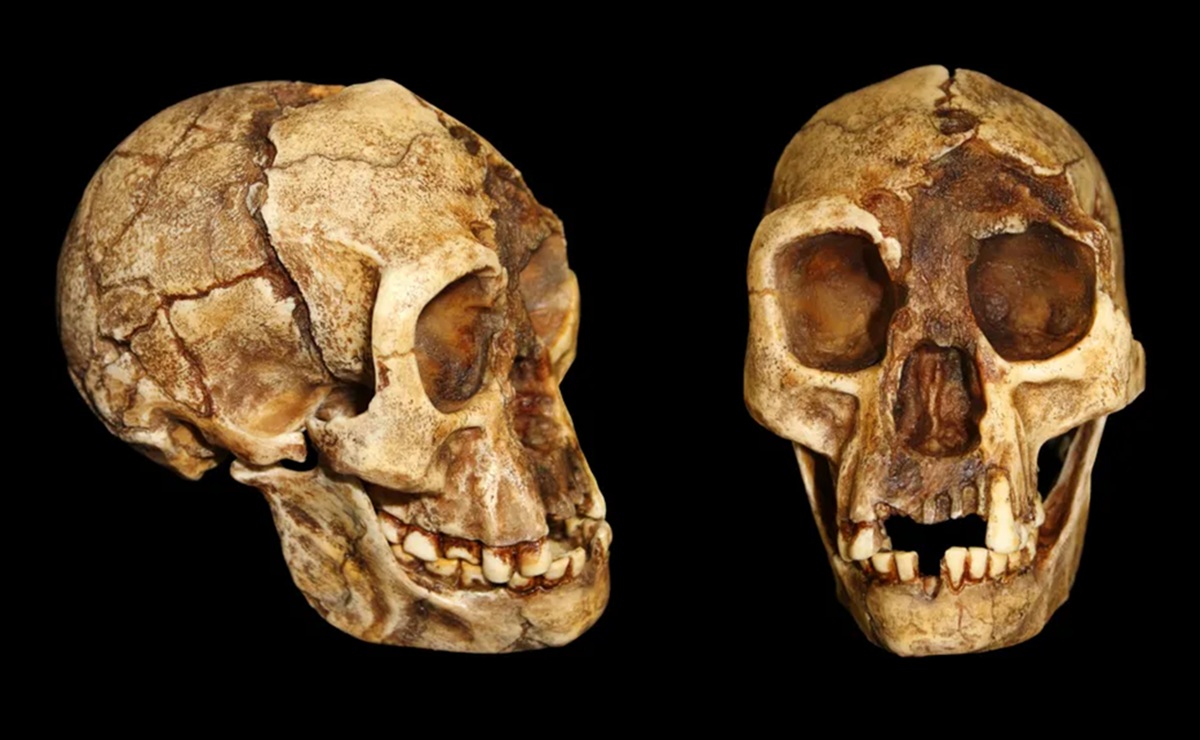
Recent archaeological research provides new insights into the evolution and locomotion of the ancient human relative, Homo floresiensis, often nicknamed the ‘Hobbit’ species. Based on in-depth analysis of its pelvic fossils, researchers have discovered that this dwarf species from Flores, Indonesia, actually walked in a manner more similar to modern humans (Homo sapiens) than to older ancient humans such as ‘Lucy’ (Australopithecus afarensis).
Despite having an extremely small stature, with a height of approximately one metre and a tiny brain size, the pelvic structure of Homo floresiensis shows significant adaptations for efficient upright walking. This discovery serves as an important foundation for understanding how the biomechanics of ancient human bodies evolved and adapted to their environments in the past.
Previously, many researchers estimated that due to its dwarfed body size, the gait of Homo floressiensis would be very similar to the ancient Australopithecus hominins that lived millions of years earlier. The most famous Australopithecus fossil, ‘Lucy’, possesses a pelvis that is wider towards the sides, resulting in a walking style different from modern humans.
However, recent 3D reconstruction analysis of the Homo floresiensis pelvic fossils presents a different picture. The pelvic anatomy of this ‘Hobbit’ species has an orientation and shape that more closely resembles the Homo genus.
This more compact and slender pelvic bone structure allows the hip joints and supporting muscles to move more efficiently during upright walking. This biomechanical adaptation proves that although Homo floresiensis underwent body size reduction (island dwarfism), their navigation abilities and physical movement had evolved along the lineage of modern humans.
The findings regarding the pelvic structure also provide strong clues regarding the origins of Homo floresiensis within the human evolutionary tree. The presence of modern pelvic features supports the theory that this species is a descendant of larger ancient human populations, such as Homo erectus, which arrived on Flores Island and subsequently underwent body size adjustments due to limited resources on the island.
The unique combination of primitive and modern features in the ‘Hobbit’ body continues to fascinate scientists. While their brains and bodies may have been small, their locomotive system or gait had fully adapted for effective bipedalism.
Researchers emphasise that the results of this pelvic anatomical testing help to rectify various speculations regarding the physical limitations of Homo floresiensis. With an efficient walking style similar to modern humans, this ancient species proved capable of surviving, hunting, and exploring the landscape of Flores Island for thousands of years before eventually becoming extinct.