
Flores earthquake damages 19,297 homes
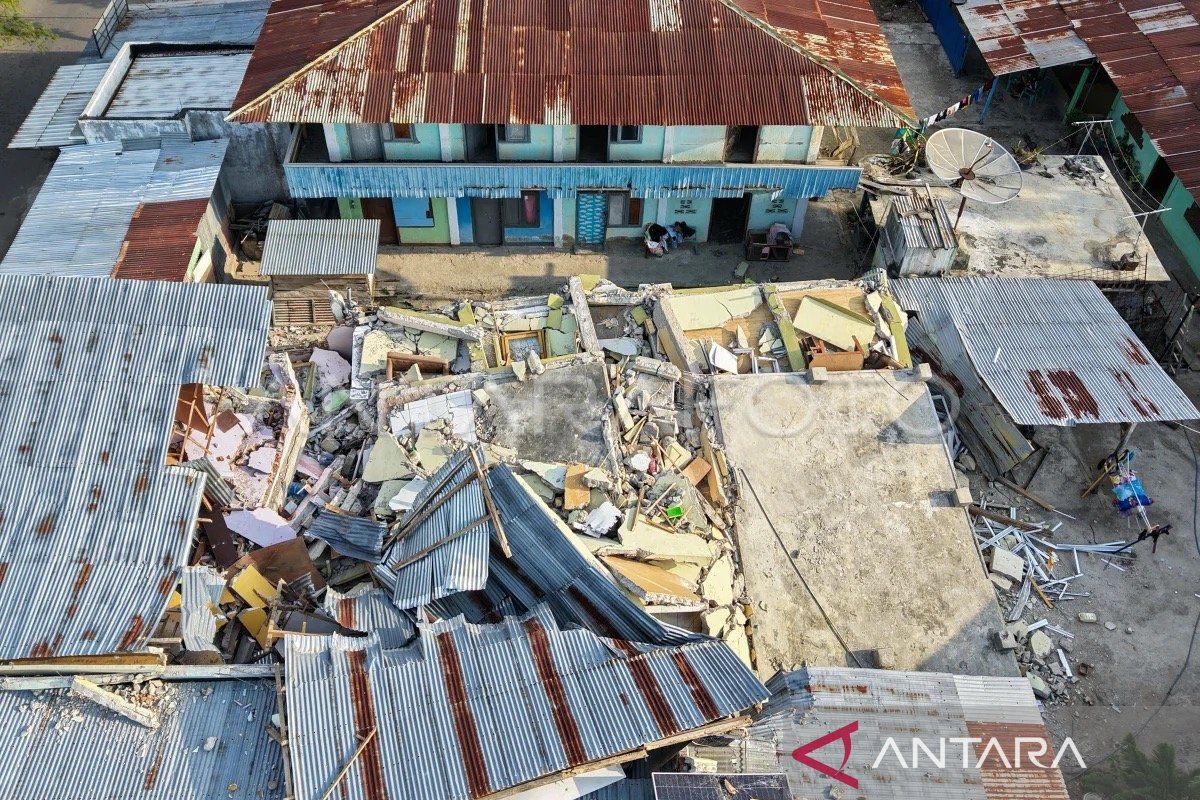
The East Nusa Tenggara (NTT) Regional Disaster Management Agency (BPBD) has recorded 19,297 damaged homes as of Tuesday (18 August) at 09.00 WITA following the earthquake that struck Flores on Saturday (15 August).
Head of BPBD NTT, Mahadin Sibarani, said the damage is spread across eight districts: Manggarai, West Manggarai, East Manggarai, Ende, Sikka, Ngada, Nagekeo and East Sumba.
“This housing damage data is the result of temporary data collection and may still change according to the results of verification in the field,” said Mahadin.
Based on the level of damage, BPBD NTT recorded 6,463 heavily damaged houses, 2,481 moderately damaged houses, and 12,006 lightly damaged houses.
East Manggarai is the area with the highest number of affected houses, at 7,480 units. In the BPBD table, this figure has been recorded as the total number of damaged houses, but the breakdown between heavily, moderately and lightly damaged for East Manggarai has not been listed separately.
West Manggarai recorded 3,493 damaged houses, consisting of 1,410 heavily damaged, 635 moderately damaged and 1,448 lightly damaged.
In Manggarai, there were 1,983 affected houses, with details of 1,597 heavily damaged, 263 moderately damaged and 123 lightly damaged.
Nagekeo recorded 2,862 houses, consisting of 1,373 heavily damaged, 260 moderately damaged and 1,229 lightly damaged. Ngada recorded 2,296 affected houses, with details of 698 heavily damaged, 465 moderately damaged and 1,133 lightly damaged.
In Ende, 951 houses were damaged, consisting of 285 heavily damaged, 149 moderately damaged and 537 lightly damaged. In Sikka, 227 affected houses were recorded, with details of 158 heavily damaged, 18 moderately damaged and 51 lightly damaged.
East Sumba recorded five damaged houses, all in the lightly damaged category.
Mahadin said damage data collection is an important part of post-disaster handling, especially for determining assistance needs, repairing residents’ homes and restoring public service facilities.
BPBD NTT together with district governments continues to update data so that handling of affected communities can be carried out in a targeted manner.
“The most important thing is to ensure that the needs of affected communities are properly recorded so that the handling and recovery process can be carried out according to conditions in the field,” said Mahadin.