
Flood-Affected Residents in Aceh Sell Sahur Meals to IPDN Cadets
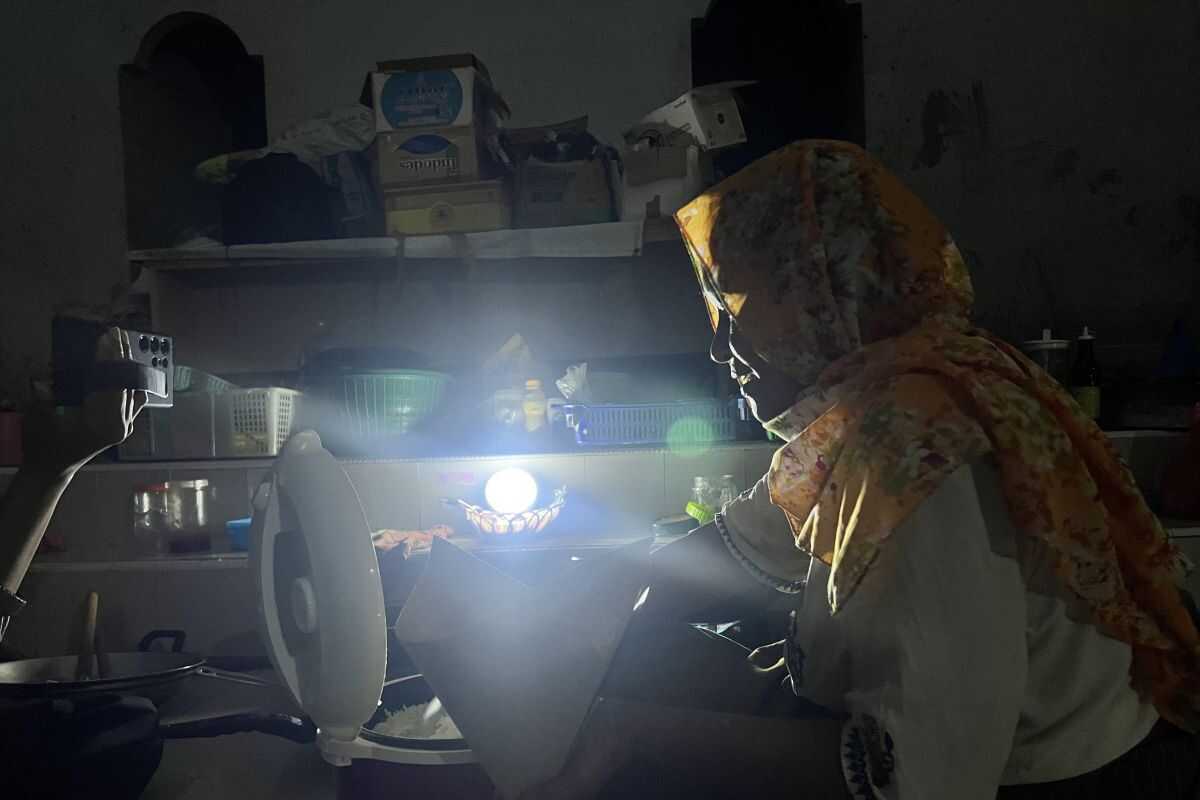
Aceh Tamiang, Aceh (ANTARA) — Residents affected by flash flooding in Aceh Tamiang, Aceh, have found a way to earn a livelihood during the first pre-dawn meal (sahur) of Ramadan at the Dusun Bahagia evacuation site in Bundar Village, Aceh Tamiang, by selling food to cadets from IPDN (Institut Pemerintahan Dalam Negeri — the Institute of Domestic Governance).
“For my first sahur at the evacuation site, I was truly enthusiastic. I got up quickly, at half past one. My child asked, what are you going to do? I said I’m going to cook for the IPDN students,” said Siti Hasanah (59), a displaced resident who has set up a food stall for workers at the evacuation site, speaking in Dusun Bahagia, Bundar Village, Aceh Tamiang, on Thursday.
Hasanah, affectionately known as Nur Lamek, explained that she had volunteered to sell rice dishes as soon as she heard that IPDN cadets would be deployed to the evacuation area. Her proposal was approved and she began cooking for sale to the workers stationed there.
As the holy month of Ramadan commenced, Nur Lamek saw an opportunity in selling sahur and iftar (fast-breaking) meals. On the first sahur of Ramadan 1447 H/2026, she was already awake at approximately 1.30am local time.
“We sell each portion for Rp15,000. For the IPDN students, the price is Rp13,000,” said Nur Lamek.
Despite relying solely on an emergency lamp for lighting, she deftly prepared a variety of dishes including fried chicken, vegetable soup, rendang, instant noodles, omelette, and fried rice.
Her cooking equipment was modest — a wok cleaned on the inside but still bearing flood residue on the outside, another wok donated by her workplace, and a gas stove.
Although the sahur atmosphere was vastly different from the previous year, Nur Lamek carried on with enthusiasm and a ready smile.
“For me, there’s no difference in how I feel. We’re just in a different place, that’s all — this is what we call a calamity,” said Nur Lamek.