
Flip Partners with India's Paytm to Launch 'Flip Kasir', Targeting Indonesia's Growing Digital Payment Market
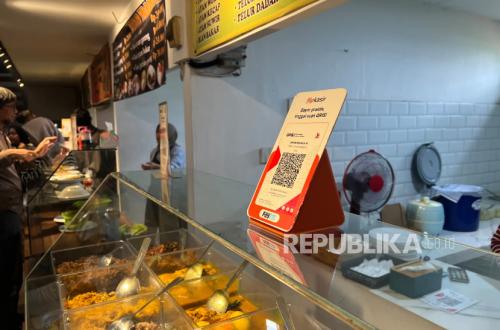
Flip, an Indonesian fintech company, has launched Flip Kasir, an offline payment solution designed to help merchants manage digital transactions more quickly, easily, and reliably. Through a partnership with Indian digital payment company Paytm, Flip is driving efficiency in transactions while strengthening the national digital economy ecosystem.
The launch of Flip Kasir comes amid strengthening economic relations between Indonesia and India. During Indian Prime Minister Narendra Modi’s visit to Indonesia, both countries agreed to enhance cooperation in technology, digital infrastructure, and the startup ecosystem, including plans to integrate India’s Unified Payments Interface with Indonesia’s payment system.
The collaboration between Flip and Paytm is considered a concrete implementation of this cooperation. Paytm’s technology, which has been used by millions of merchants in India, is being adapted to support the needs of business actors in Indonesia, including micro, small, and medium enterprises.
Flip Kasir allows merchants to accept digital payments offline with real-time transaction confirmation, reducing manual checking processes and improving operational efficiency. The solution has been introduced to a number of merchants in Indonesia, ranging from small stalls and franchise restaurants to electronics stores.
Rafi Putra Arriyan, CEO and Co-Founder of Flip, stated that the increasing volume of digital transactions has driven the need for more efficient payment systems among merchants. He noted that the partnership with Paytm enables Flip to bring proven, large-scale technology tailored to the needs of Indonesian merchants.
Indonesia’s digital payment market continues to show significant growth. According to Bank Indonesia data, QRIS had been adopted by 57 million users and 39.3 million merchants by the first half of 2025. During the same period, QRIS transaction values reached Rp 579 trillion from 6.05 billion transactions, reflecting the growing contribution of digital payments to national economic activity.