
Fleet Management Becomes Key to Reducing Emissions in the Logistics Industry
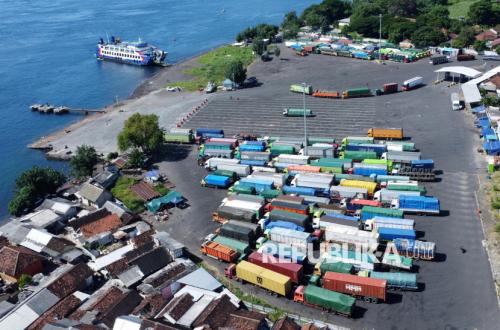
High logistics costs are pushing companies to review their distribution fleet management. Operational data indicates that vehicle inefficiencies not only burden costs but also enlarge the carbon footprint of Indonesia’s logistics sector.
Fleet efficiency is essential amid rising demands to implement environmental, social, and governance (ESG) principles in supply chains. Issues such as suboptimal distribution routes and high vehicle idle times are seen as sources of fuel wastage as well as increased emissions.
Various case studies in Indonesia show that operational fleet inefficiencies remain a dominant factor in high logistics costs. The lack of operational data integration means many companies still lack real-time visibility to identify sources of waste or opportunities to reduce vehicle emissions.
In this regard, TransTRACK has introduced the Smart Fleet Management System based on the Internet of Things (IoT), alongside the launch of the online Mini Bootcamp on Sustainable Supply Chains on 8 May 2026. This system enables real-time fleet monitoring, identifies inefficiencies, and automatically calculates carbon emissions based on vehicle activities.
Founder and CEO of TransTRACK, Anggia Meisesari, stated that the biggest challenge in implementing sustainable supply chains is no longer awareness, but data-based execution. Many companies already have ESG commitments but lack sufficient data visibility to identify inefficiencies and emissions in real-time.
“However, without accurate data visibility, many companies fail to translate ESG commitments into real actions on the ground. Through the Smart Fleet Management System, we aim to provide actionable data so that companies can make decisions that not only impact cost efficiency but also concretely reduce carbon emissions,” said Anggia on Monday (4 May 2026).
According to TransTRACK, the system has been implemented in several sectors such as logistics and mining. Its implementation is claimed to increase fleet productivity by up to 40% and reduce operational costs by up to 30%, while contributing to carbon emission reductions.
In addition to technological aspects, the company also highlights the readiness of human resources as an important factor in the ESG transformation of the logistics sector. The Mini Bootcamp on Sustainable Supply Chains through TransTRACK Academy is designed to help industry professionals implement data-based sustainability strategies.
Director of TransTRACK Academy, Budi Santosa Chulasoh, said that the transformation towards sustainable supply chains will not run optimally without the readiness of human resources capable of translating strategies into on-the-ground implementation. According to him, there is still a gap between understanding sustainability concepts and daily operational practices.
“Through TransTRACK Academy and this Mini Bootcamp, we want to bring a more applicative approach based on case studies, so that professionals not only understand the concepts but can also implement strategies relevant to industry needs,” he said.
The need for sustainable supply chains is expected to continue increasing along with demands for efficiency and emission reduction targets. The utilisation of digital technology and enhancement of human resource competencies are seen as two main elements in driving the national logistics sector’s ESG transformation.