
FKUI: Dengue's Impact Extends Beyond Health to Family Productivity
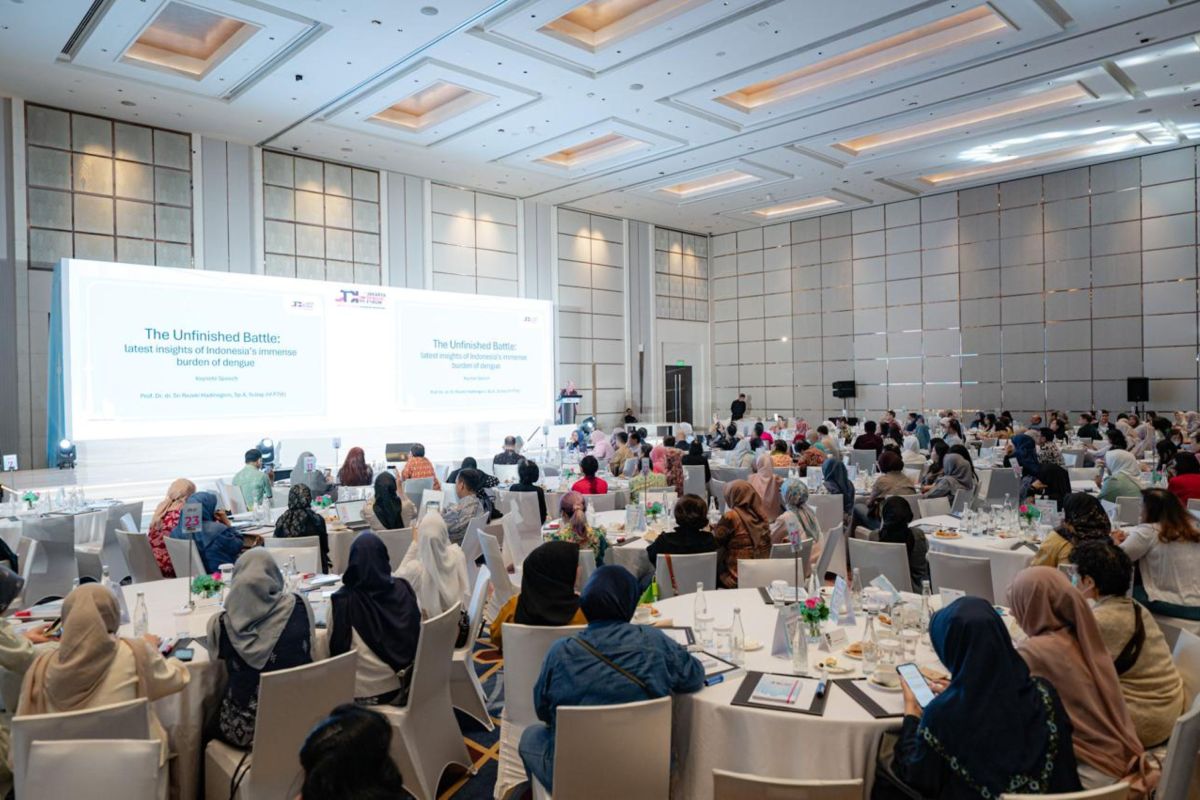
Professor Sri Rezeki Hadinegoro from the Faculty of Medicine, University of Indonesia (FKUI) stated that dengue infection not only causes health problems but also impacts family productivity due to lost working time and an increased economic burden during the treatment period. “When a child contracts a dengue infection and requires hospital care, the parents must provide accompaniment, thus losing time to work and reducing productivity. Similarly, if a parent is ill, the family must provide care, which can disrupt the family atmosphere and economy,” Sri said in a press release on Friday. Sri noted that the economic impact of dengue stems not only from medical costs but also from the loss of productivity while the patient undergoes treatment and recovery, which can last one to two weeks. She assessed that this condition shows dengue needs to be viewed as a public health issue with a broad impact on family welfare, thus requiring more comprehensive prevention efforts. Diah Ayu Puspandari, a researcher from the Faculty of Medicine, Public Health, and Nursing at Gadjah Mada University (FK-KMK UGM), stated that having National Health Insurance (JKN) does not fully free patients from the cost burden during illness. “JKN patients still have to pay out-of-pocket costs averaging Rp1.1-1.3 million during one bout of dengue illness for non-medical needs such as transport and carer accommodation, in addition to lost productivity. Meanwhile, for patients without insurance, costs soar to Rp4.3-5.6 million because all medical care costs must be borne independently,” Diah said. According to the study, losses from lost productivity in the JKN participant group reached approximately Rp1.81 trillion throughout 2024. For the non-JKN group, productivity losses are estimated to reach around Rp755.2 billion. From a societal perspective, she said, the implementation of vaccination is also projected to generate cost savings of approximately USD329-731 million, or around Rp5.2-11.5 trillion, over 20 years by reducing the costs borne by families and the loss of productivity. “These findings show that investment in disease prevention not only has the potential to improve public health but also provides significant long-term economic benefits,” said Jarir. Rismala Dewi, Chair of the Indonesian Paediatric Society (IDAI) DKI Jakarta Branch, stated that dengue prevention requires cross-sector collaboration, including through increasing the capacity of health workers, educating parents, and strengthening early detection so that the disease’s impact on children and families can be minimised.