
FKUI Calls for Prevention and Mitigation of the Health Effects of Forest and Land Fires
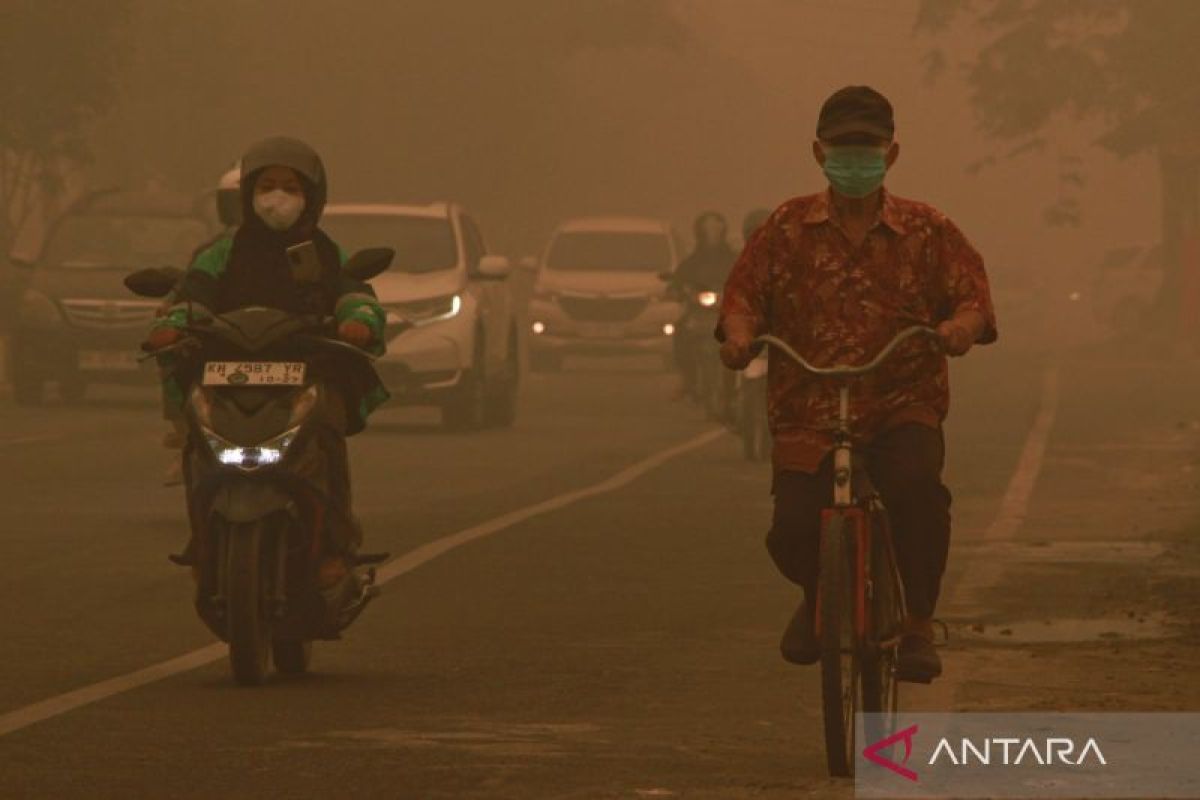
Jakarta (ANTARA) – The University of Indonesia’s Faculty of Medicine (FKUI), through its Indonesian Medical Education and Research Institute (IMERI), has called for measures to prevent and mitigate the health effects of forest and land fires.
FKUI Dean Prof. Dr Anna Rozaliyani, M.Biomed, Sp.P(K), stressed that human health must be an integral part of environmental protection and efforts to address forest and land fires.
“Forest and land fires are not merely a smoke problem. They are a matter of health, safety and the future of our generations. We must not simply react when disaster strikes. Preventing exposure, identifying health risks early and ensuring appropriate follow-up must be strengthened through scientific evidence and collaboration across disciplines,” she said in a statement received in Jakarta on Saturday.
IMERI FKUI Director Dr Bernie Endyarni Medise, Sp.A(K), MPH, said protecting children’s health from the effects of forest and land fires required a sustained approach, not just action when smoke becomes dense.
A multidisciplinary approach is needed because the effects of smoke exposure can vary according to individual characteristics, health conditions, exposure intensity and the surrounding environment.
Dr Nastiti Kaswandani, Sp.A, Subsp. Respi(K), of the Indonesian Paediatric Society’s Respiratory Coordination Working Unit and a staff member of the Paediatric Respiratory Division at FKUI’s Department of Child Health, said the effects of smoke exposure did not end with acute respiratory problems.
Children chronically exposed to smoke risk permanent impairment of lung growth, a higher risk of persistent asthma and chronic obstructive pulmonary disease (COPD), stunted growth, and possible effects on brain development and cognition.
Nastiti said children were particularly vulnerable to smoke for several fundamental reasons. Their lungs are still developing, and their airways are narrower, making it easier for mucus and particles to build up and cause blockages.
Children also breathe more rapidly, so they inhale more air per kilogram of body weight than adults. They are more active outdoors and may spend longer periods doing strenuous physical activity, while their nasal filters are not yet fully developed, allowing more particles to reach the lungs.
She described how PM2.5 particles travel through a child’s body. These particles, around 30 times smaller than the diameter of a human hair, enter through the nose and upper airways, then reach the bronchi and bronchioles, the alveoli and, ultimately, the bloodstream.
Acute effects include acute respiratory infections, more frequent and severe asthma attacks, eye irritation and reduced appetite.
Of particular concern are the long-term effects of chronic exposure, as impaired lung growth during childhood can persist for life.
Exposure in the womb can also affect a child’s growth, with effects lasting 10 to 17 years later, including an increased risk of stunting. Other evidence points to possible effects on cognitive achievement, lower IQ, and behavioural and memory problems.
Nastiti outlined four steps to anticipate and reduce these risks. First, monitor children’s growth and development by measuring their height and weight regularly and watching for developmental delays.
Second, monitor their breathing by looking out for recurrent coughing or wheezing, assessing asthma control, and carrying out spirometry or lung function tests where possible.
Third, strengthen prevention through complete immunisation, good nutrition, smoke-free homes and healthy-living practices.
Fourth, advocate for a healthier environment through air-quality monitoring, clean-air spaces in schools and prevention of forest and land fires.
For FKUI, education is the first step, while research is needed to strengthen the scientific basis for sustained health protection.
As a follow-up, IMERI FKUI and the Alumni Association of the Master’s Programme in Occupational Medicine (ILUNI MKK) are planning a study into lasting health effects on workers and communities after forest and land fires. The study will assess health conditions one to three months after an incident, focusing on residual respiratory symptoms and other health complaints relevant to exposure.
Source: jawawa.id (https://jawawa.id/newsitem/fkui-calls-for-prevention-and-mitigation-of-the-health-effects-of-forest-and-land-fires-1793458289)
Originally published by Antara (Indonesian) (https://www.antaranews.com/berita/5824047/fkui-serukan-pencegahan-hingga-mitigasi-yang-disebabkan-karhutla), translated from Indonesian