
FKIC Encourages Dialogue to Stabilise the Investment Climate Between Indonesia and China
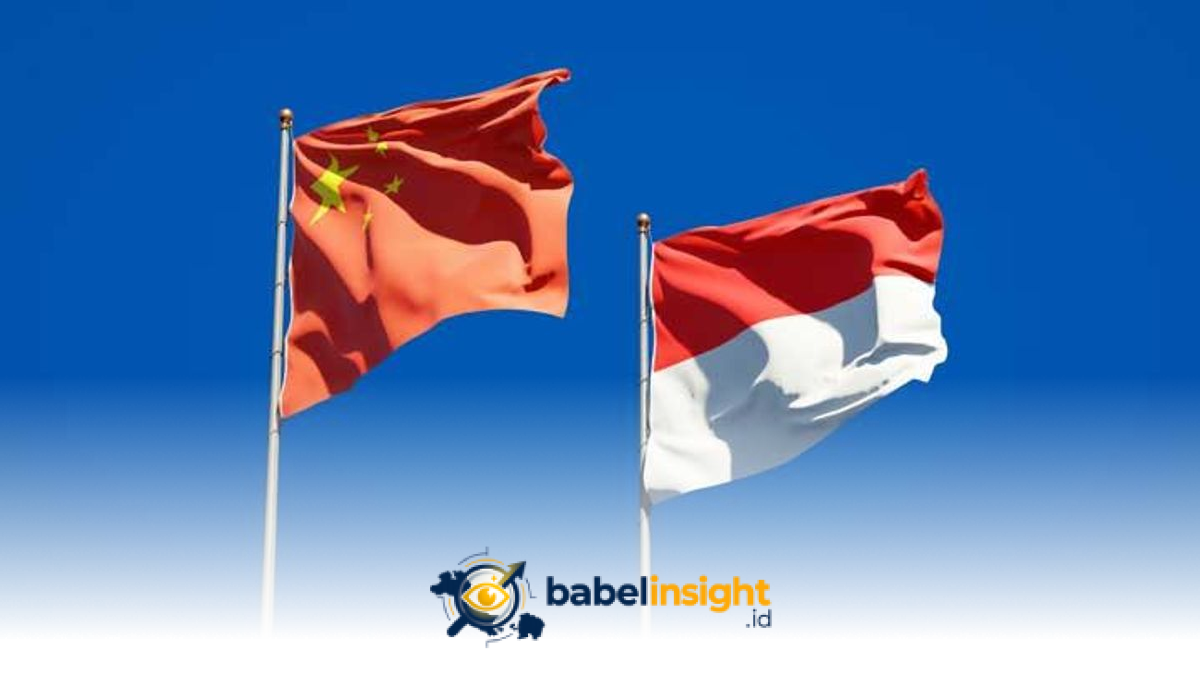
The Indonesia-China Communication Forum (FKIC) is encouraging stronger constructive dialogue between the government and businesses in order to maintain a stable national investment climate. This step responds to recent economic dynamics and feedback regarding policies that have been developing.
The economic relationship between Indonesia and the People’s Republic of China, as reported by Media Indonesia, has been deemed to make an important contribution to the national industry. Cooperation between the two countries has impacted job creation, technology transfer, and strengthening downstream industries.
The FKIC states that input from the business world is part of improving the national investment ecosystem. The association is committed to being a communication bridge between the government, businesses, and strategic investors.
“Various inputs from the business world should be positioned as part of the dialogue process to improve the national investment ecosystem, not as a form of confrontation with the government,” said FKIC Secretary-General S Suparmaji, accompanied by FKIC Chairman Firdaus Dewilmar, who is also Special Staff to the Minister of Energy and Mineral Resources Bahlil Lahadalia, and FKIC Daily Chairman Ahmad Kaylani, who is also Chairman of Perisai Prabowo.
The Indonesian government is considered to remain open to communication with businesses and strategic investors. The direction of national policy, management of natural resources, downstream industrialisation, and law enforcement are all under the sovereignty of Indonesia.
“A dialogical approach demonstrates the government’s commitment to maintaining investment stability while ensuring that all business activities continue in accordance with the law and national interests,” said Mas Maji, Suparmaji’s nickname.
Previously, the Chinese Chamber of Commerce in Indonesia had sent an official letter to President Prabowo Subianto regarding the investment climate. Through this letter, businesses highlighted rapid changes in regulations, royalty policies, taxation, and law enforcement.
Foreign investors have also complained about bureaucratic obstacles and licensing processes that are considered inefficient in several strategic sectors. The letter has become a public concern because it reflects the dynamics of the relationship between the government and investors amid the national downstreaming agenda.