
FKBI: 18 October should mark the implementation of mandatory halal or non-halal certification
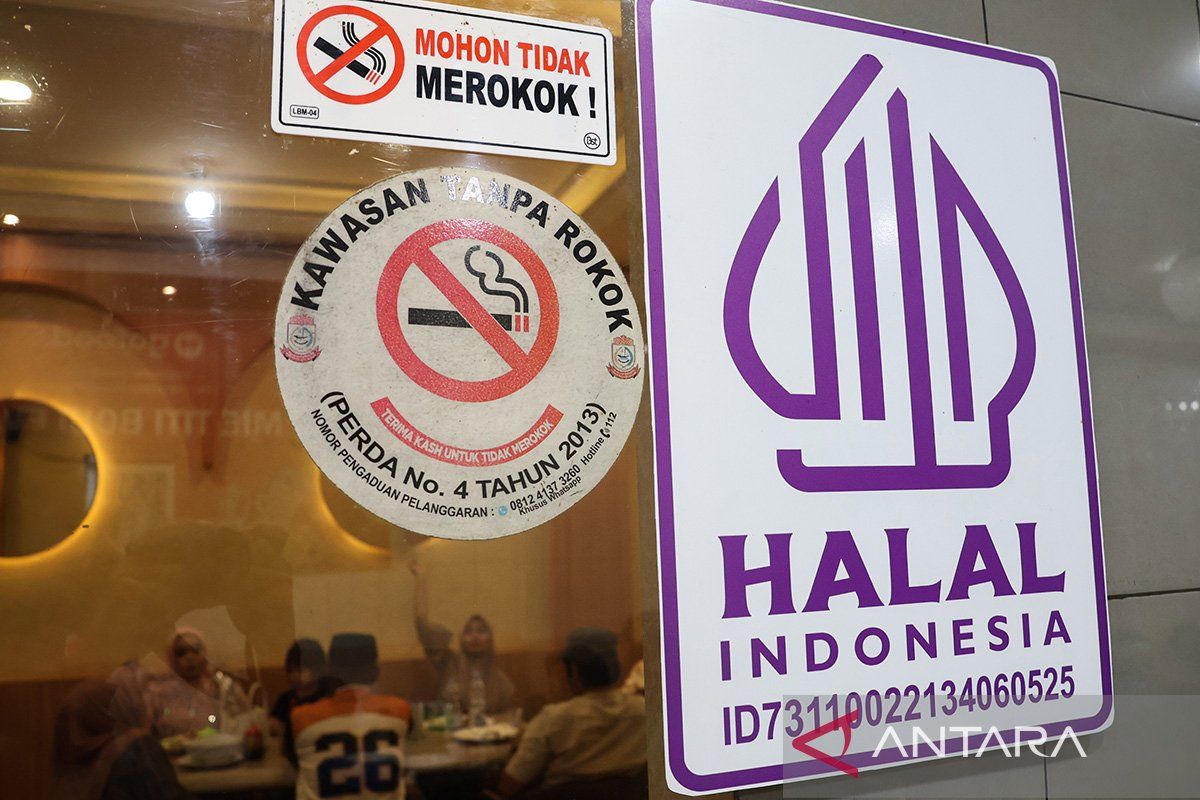
Jakarta (ANTARA) — Consumer protection advocate and Forum Konsumen Berdaya Indonesia (FKBI) chair Tulus Abadi says 18 October 2026 should mark the fulfilment of businesses’ obligation to obtain halal or non-halal certification.
“For every product or business included in the categories required to hold a halal certificate, it is legally obligatory for that product to have one. Conversely, it should hold a non-halal certificate,” Tulus said in an official statement in Jakarta on Sunday.
After a 12-year relaxation and transition period since its enactment, Law No. 33 of 2014 on Halal Product Assurance (the Halal Product Assurance Law) is due to take full effect on 18 October 2026.
Tulus therefore said the date should mark the implementation of “Mandatory Halal October” (WHO).
He set out several critical points for achieving this. First, there should be no further relaxation.
Since the law was enacted, he said, businesses — from small and medium-sized enterprises (SMEs) to large companies — had already been given 12 years to transition to its implementation.
He said the obligation to obtain halal certification should therefore be fulfilled by all businesses by “Mandatory Halal October” on 18 October 2026.
“It is urgent for the Indonesian Halal Product Assurance Organising Agency (BPJPH) to act proactively and progressively to secure halal certification for all producers and businesses,” Tulus said.
Second, businesses, particularly those outside the SME sector, should take the initiative and co-operate in applying for halal certification for their products.
He said the self-regulation policy made it easy for SMEs to meet halal certification requirements, at no cost.
“For large businesses, there should be no cost-related obstacle, since the halal certification process is not a significant economic burden,” Tulus said.
Third, he said consumers should not be misled by producers’ claims such as “no pork, no lard, no alcohol”, particularly those made by large restaurants in shopping centres and malls.
He said many large restaurants, especially in malls, used the tagline “no pork, no lard, no alcohol”.
“That is not a claim that guarantees a product is halal; it is even misleading and does not meet regulatory standards. In other words, the food and drinks served by those restaurants are not guaranteed to be halal,” Tulus said.
Fourth, he said the MUI Fatwa Commission and BPJPH should reject applications by the cigarette industry for halal certification and instead require cigarettes to carry a “non-halal” label, as mandated by the Halal Product Assurance Law.
He cited Article 20(1) of the law, which states that products that are intoxicating or harmful to health cannot apply for halal certification. Cigarettes, he said, clearly harm health, as reflected in the health warnings on their packaging.
“Therefore, non-halal status is an inevitable designation for cigarettes. Other legal provisions, including the laws on excise and health and government regulations on health, classify tobacco as an addictive product that causes negative externalities for smokers, passive smokers and the environment,” Tulus said.
Fifth, he said halal certification was an important instrument for consumer protection and for providing legal certainty to consumers when they used or consumed products.
“Halal certification has significant economic value for businesses, because more than 287 million Indonesians — 88 per cent of the population — are Muslim,” Tulus said.
He added that Mandatory Halal October should be the culmination of efforts by the state, through BPJPH and the MUI Fatwa Commission, and by producers and businesses to ensure consumers’ safety, comfort and security when using or consuming products.
“Halal products certified as such are an inseparable part of ensuring the safety and security of food, drink, medicines, cosmetics and other products,” Tulus said.
Law No. 33 of 2014 on Halal Product Assurance is a comprehensive law intended to guarantee the halal status of products through certification, which businesses are required to obtain.
Under Government Regulation No. 42/2024, categories required to be halal-certified from 18 October 2026 include food and drink; raw materials and food additives; slaughtered products and slaughtering services; natural medicines, quasi-medicines and health supplements; cosmetics; and chemical and genetically engineered products.
Other categories include goods for everyday use, such as clothing, head coverings, accessories, household health supplies and equipment, Islamic religious items, stationery and office supplies, as well as medical devices in specified risk classes.
Source: jawawa.id (https://jawawa.id/newsitem/fkbi-18-october-should-mark-the-implementation-of-mandatory-halal-or-non-halal-certification-1791687091)
Originally published by Antara (Indonesian) (https://www.antaranews.com/berita/5780516/fkbi-18-oktober-momen-wujudkan-wajib-sertifikat-halal-atau-non-halal), translated from Indonesian