
Five Volcanoes Erupt in Close Succession, MP Says State Must Be Ready for Potential Disasters
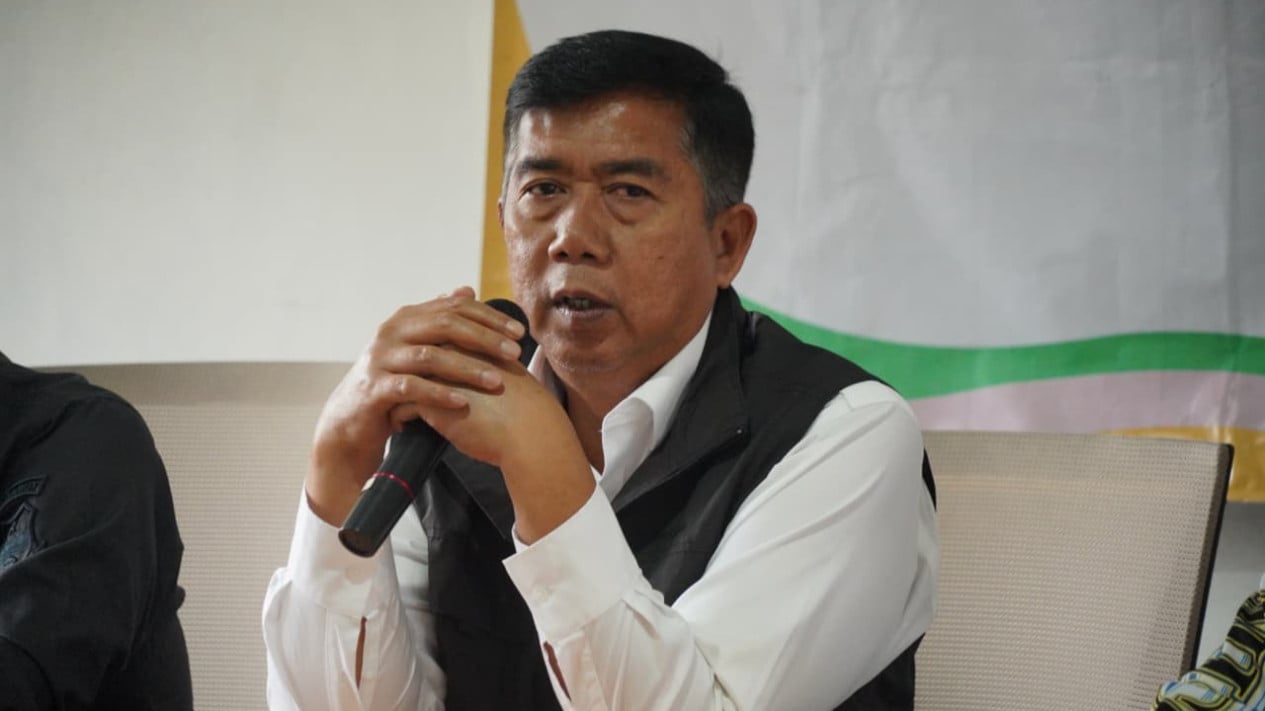
A member of Commission V of the Indonesian House of Representatives (DPR RI), Ade Ginanjar, has urged the government to strengthen national preparedness following eruptive activity at several volcanoes in Indonesia on Sunday, 6 September 2026. Mount Anak Krakatau, Mount Sinabung, Mount Lewotobi Laki-laki, Mount Semeru and Mount Merapi were reported to have erupted within a closely spaced period.
According to Ade, this situation must serve as a momentum to ensure that all disaster mitigation, transport, meteorology, and search-and-rescue systems operate in an integrated manner.
“We must not view each eruption as a standalone event. The state must ensure that all systems are ready to face the possibility of widespread impacts on the public and national connectivity,” Ade said in his statement on Sunday, 6 September 2026.
Ade assessed that BMKG, together with the Geological Agency/PVMBG, must ensure that information on volcanic activity can be quickly translated into operational decisions.
Data relating to volcanic activity, the direction and height of ash dispersion, wind conditions, weather, and potential impacts on air and sea areas must be received quickly by the Ministry of Transportation, Basarnas, regional governments, transport operators, and the public.
In his view, the strength of mitigation lies not only in the ability to detect threats, but also in the state’s capacity to turn data into action before risks develop into casualties.
“The public needs clear, fast and consistent information. Therefore, one data, one coordination, and one response protocol must continue to be strengthened,” he stressed.
From the transport side, Ade asked the Ministry of Transportation to increase vigilance regarding the impact of volcanic ash on aviation and shipping, particularly in areas within potential ash dispersion paths.
The activity of Mount Anak Krakatau serves as a reminder that the impact of an eruption can reach areas far from the volcano’s location and potentially disrupt air and sea connectivity.
According to Ade, safety must be the basis of every operational decision, but the public must also receive information quickly regarding cancellations, delays, route diversions, and the restoration of transport services.
“The public should not only learn of disruptions after arriving at the airport, port, or while en route. Information must be provided as early as possible so that people can make decisions safely,” he said.