
Five Types of Tea That May Help Lower High Cholesterol, According to Scientific Research
Jakarta, CNBC Indonesia – High cholesterol is a risk factor for heart disease that needs attention. Alongside maintaining a healthy diet and exercising regularly, a simple habit such as drinking unsweetened tea may form part of efforts to keep cholesterol levels healthy.
Some types of tea contain antioxidants and natural compounds that may help lower low-density lipoprotein (LDL), or “bad” cholesterol. However, their benefits may vary from person to person, and tea cannot replace medical treatment.
Health cites five types of tea that may support heart health and help manage cholesterol levels:
- Green tea
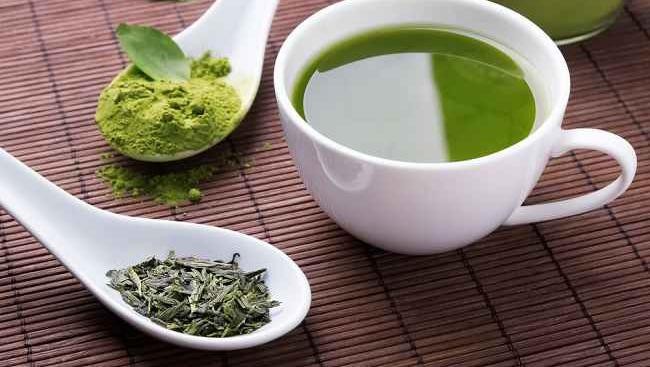
Green tea is among the types most widely studied for its potential heart-health benefits. It contains catechins, antioxidants that may help lower LDL cholesterol in the blood.
A review of studies cited by Health found that drinking green tea could reduce total and LDL cholesterol by about 5 per cent.
Although the reduction is relatively small, changes in cholesterol levels may still benefit heart health when combined with a healthy lifestyle.
- Black tea
Black tea may also help maintain cholesterol levels. It contains polyphenols, plant compounds that can support heart health.
Some studies suggest that the polyphenols in black tea may help lower LDL cholesterol. These compounds have also been associated with improved blood flow and blood pressure, as well as protection against cell damage caused by oxidative stress.
Even so, the benefits may vary according to a person’s health and consumption habits.
- Ginger tea
Ginger tea is known not only as a drink that can soothe digestion, but also for its potential heart-health benefits.
Ginger contains natural compounds that may help reduce inflammation. Research also points to possible benefits in lowering LDL cholesterol and triglycerides, a type of fat circulating in the blood.
High triglyceride levels can increase the risk of heart disease. Ginger tea can be made by steeping fresh ginger slices in hot water. It is naturally caffeine-free, making it a possible evening choice.
- Oolong tea
Oolong tea has characteristics that place it between green and black tea. In addition to its distinctive flavour, it contains catechins and polyphenols that may help maintain cholesterol levels.
These compounds are thought to affect the activity of lipase, an enzyme involved in fat digestion. This mechanism may reduce the absorption of fat in the digestive tract.
However, further research is needed to establish the extent of oolong tea’s effects on cholesterol levels.
- Hibiscus tea
Hibiscus tea, made from dried roselle flowers, is another option that may support heart health. It has a distinctive tart flavour and is naturally caffeine-free.
Research suggests that roselle tea may help lower LDL cholesterol while increasing high-density lipoprotein (HDL), or “good” cholesterol. HDL is often described as good cholesterol because it helps carry cholesterol back to the liver for processing.
These benefits are thought to be linked to anthocyanins, antioxidants found in roselle flowers. While promising, existing research does not establish that roselle tea will lower cholesterol in everyone.
How to drink tea more healthily
To gain the potential benefits of tea without adding excessive sugar, consider a few points.
First, choose tea without sugar or added sweeteners. If you want extra flavour, use a little honey or a squeeze of lemon.
Second, consider the caffeine content, particularly if drinking tea close to bedtime. Ginger and roselle teas may be alternatives because they are naturally caffeine-free.
Third, complement tea drinking with a balanced diet rich in fibre, including fruit, vegetables, whole grains and nuts.
Equally important, people with high cholesterol should continue to monitor their levels regularly and follow medical advice. If you are taking cholesterol-lowering medication or have heart disease, consult a doctor before making major changes to your diet.
Ultimately, tea can be part of a healthy lifestyle, but it is not a standalone solution for high cholesterol. Dietary changes, physical activity and medication when needed remain important to maintaining heart health.