
Five Testimonies by Khalid Basalamah in Hajj Quota Corruption Trial
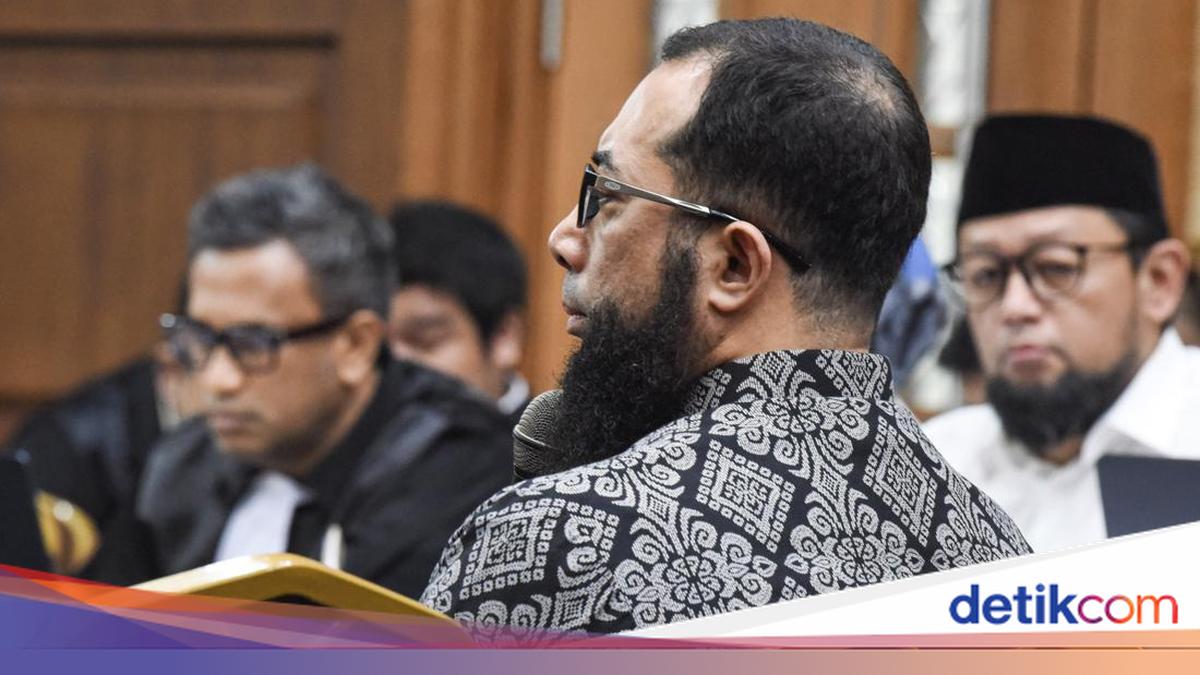
KPK prosecutors called Ustaz Khalid Basalamah as a witness in the trial of an alleged corruption case involving the allocation of additional hajj quotas. Basalamah gave several statements during the hearing.
The trial concerning the 2023–24 hajj quota case was held at the Central Jakarta Corruption Court on Tuesday (20 October 2026). The defendants are former Religious Affairs Minister Yaqut Cholil Qoumas; Yaqut’s former special staff member Ishfah Abidal Azis, also known as Gus Alex; Asrul Azis Taba, chairman of the Kesthuri association; and Ismail Adham, operations director of PT Makassar Toraja (Maktour).
Basalamah appeared in his capacity as director of Uhud Tour. Here are five key points from his testimony.
Returned USD 554,000
Basalamah initially said he had handed USD 554,500 (equivalent to Rp 10 billion) to the KPK. He said the money came from the return of an accelerated-hajj fee that he had paid in 2024.
“Do you know whether your staff ever deposited some money into the KPK holding account?” a KPK prosecutor asked.
“Yes,” Basalamah replied.
The prosecutor then referred to evidence item 1590, comprising USD 354,500 in cash in USD 100 notes, and asked whether Basalamah knew about it. He confirmed that he did.
The prosecutor also asked about the seizure of USD 200,000 transferred through Bank BNI. Basalamah confirmed the seizure. The transfers comprised USD 37,000, USD 13,000 and three payments of USD 50,000 each.
USD 4,500 acceleration fee per pilgrim
Basalamah also said that the acceleration fee amounted to USD 4,500 for each special-hajj pilgrim travelling through his agency. He said Uhud Tour’s pilgrims had initially planned to travel through the furoda route, but switched to special hajj after Ibnu Mas’ud, commissioner of PT Muhibbah Mulia Wisata, made an offer.
The prosecutor asked whether Ibnu had offered two options: buying a special-hajj package from PT Muhibbah or paying USD 4,500 per person for an accelerated special-hajj visa, and whether Basalamah had chosen the second option. Basalamah said yes.
Asked whether he had understood that the payment was an acceleration fee, Basalamah replied that he had not: “I didn’t understand at all that it was acceleration. We only knew there was a visa and that it could be used.”
He said he had never asked the Ministry of Religious Affairs about the fee and knew of the request for money only through Ibnu, a Special Hajj Pilgrimage Organiser (PIHK).
Switched from furoda to special hajj after VIP maktab offer
Basalamah said Ibnu offered a VIP maktab, prompting the pilgrims who had planned to travel through the furoda route to switch to special hajj using the additional quota.
He confirmed that Uhud Tour had collected the money from 121 pilgrims before transferring it to Muhibbah. He said the VIP maktab offer was an important factor in the decision.
In hajj arrangements, a maktab is generally responsible for accommodation, meals and transport during the peak pilgrimage in Arafat, Muzdalifah and Mina. VIP facilities usually refer to tent or lodging locations that make it easier for pilgrims to move around, and are commonly used by special-hajj pilgrims.
Asked for a further USD 1,000
Basalamah said Ibnu later requested an additional USD 1,000 per person for 37 pilgrims. He said the money was paid under pressure.
According to Basalamah, Muhibbah had said the 37 pilgrims’ names had not yet been issued. When Uhud Tour staff followed up, they were told the names could be secured by paying an additional USD 1,000 per person. Basalamah said Uhud Tour initially negotiated but ultimately paid because it was told the pilgrims’ places might otherwise be difficult to secure.
The prosecutor asked whether the extra payment amounted to USD 37,000 on top of the USD 4,500 accelerated-visa fee. Basalamah replied that it applied to the pilgrims whose names had not yet been issued.
Basalamah also confirmed an offer of USD 390 per person for a place in the blue Zone 1 maktab. He said he did not return this money to the pilgrims because Ibnu had not returned it to him.
Basalamah said Ibnu had handed over the USD 37,000 in additional payments for the 37 pilgrims, and he believed the money had been returned to the KPK.
Explained the source of money paid to the KPK
Basalamah said Ibnu did not return the full amount of the USD 4,500-per-pilgrim payment for all 122 people. He said he returned to the KPK the money he had received.
The prosecutor cited Basalamah’s earlier statement that the acceleration fee was returned for 115 of 120 Uhud Tour special-hajj pilgrims, totalling USD 517,500, and that he did not know why there was a difference. Basalamah replied that he had reported the amount he received.
The prosecutor also asked about five pilgrims who travelled using hajj-official quotas. Basalamah said he did not know whether any pilgrims had been registered as if they were officials.