
Five Structural Shifts in Indonesia's Fintech Industry According to AFTECH AMS 2025-2026
Indonesia’s financial technology (fintech) industry is now entering a new chapter. After more than a decade of expansive growth, the sector is shifting towards a more stable and sustainable maturity. The Indonesian Fintech Association (AFTECH) has mapped this phenomenon through five structural transitions that will determine the industry’s future competitiveness.
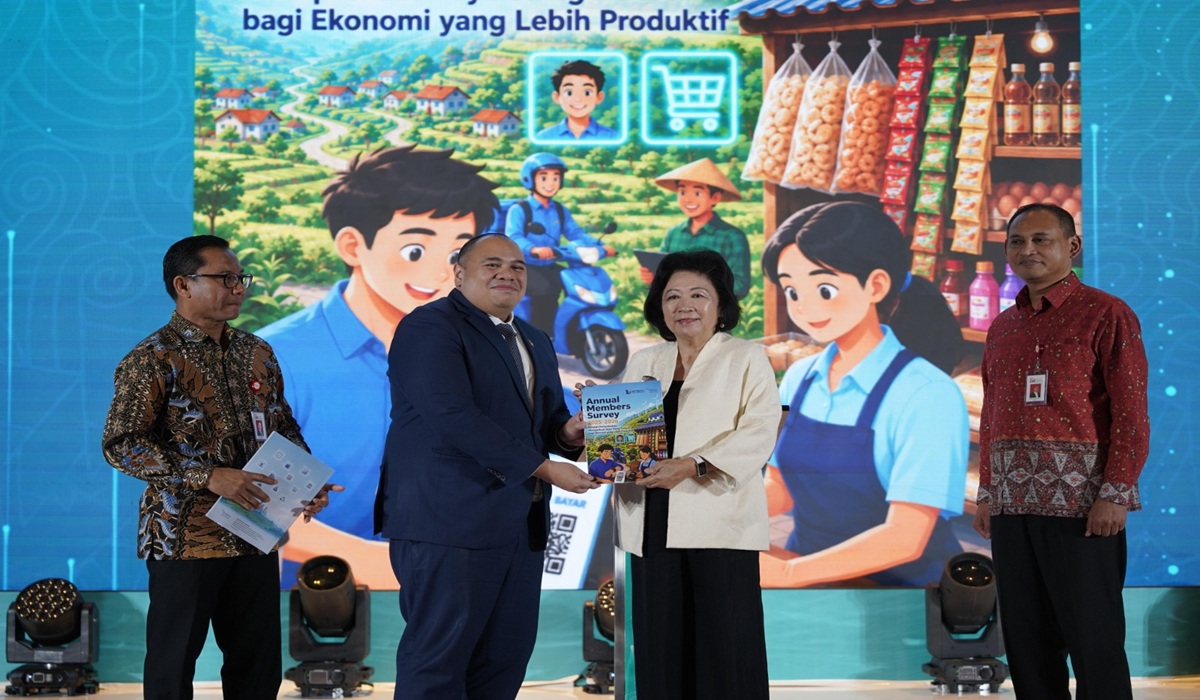
This strategic mapping is set out in the Annual Members Survey (AMS) 2025–2026. The survey involved 141 AFTECH member companies spanning various sectors, from payment systems and digital financing to digital assets and other ecosystem-supporting platforms.
AFTECH Chairman Pandu Sjahrir emphasised that this maturation phase is changing the industry’s benchmarks for success.
“Going forward, competitiveness will be determined not only by how fast companies grow, but by how strong their business fundamentals are, their consistency in implementing regulations, digital trust, and their real impact on the economy,” said Pandu.
Based on the AMS 2025-2026 results, the following are five fundamental shifts currently taking place in the national fintech industry.
AFTECH Secretary General Firlie Ganinduto added that the AMS data shows positive trends in governance and profitability. Currently, 43% of respondents have managed to record profits, and 81% have established active collaboration within the digital ecosystem.
On the technology front, artificial intelligence (AI) has become an integral part of daily operations. As many as 83% of respondents have trialled or used AI for various needs, from fraud detection to credit scoring.
Beyond business aspects, commitment to sustainability is also increasing. Some 50% of respondents stated their products are specifically designed to reach unbanked and underserved groups, while 56% have begun integrating ESG (Environmental, Social, and Governance) principles into their operations.
Through these findings, AFTECH reaffirmed its commitment to continue fostering collaboration between regulators, industry players and educational institutions to ensure that Indonesia’s digital financial ecosystem remains innovative, safe and inclusive for all levels of society.