
Five Simple Steps to Prevent the Spread of Influenza A
Jakarta (ANTARA) - Clinical microbiologist dr. Andrew Adhytia Lieputra, Sp.MK, a graduate of Diponegoro University, has outlined five simple steps that can reduce the risk of influenza A transmission.
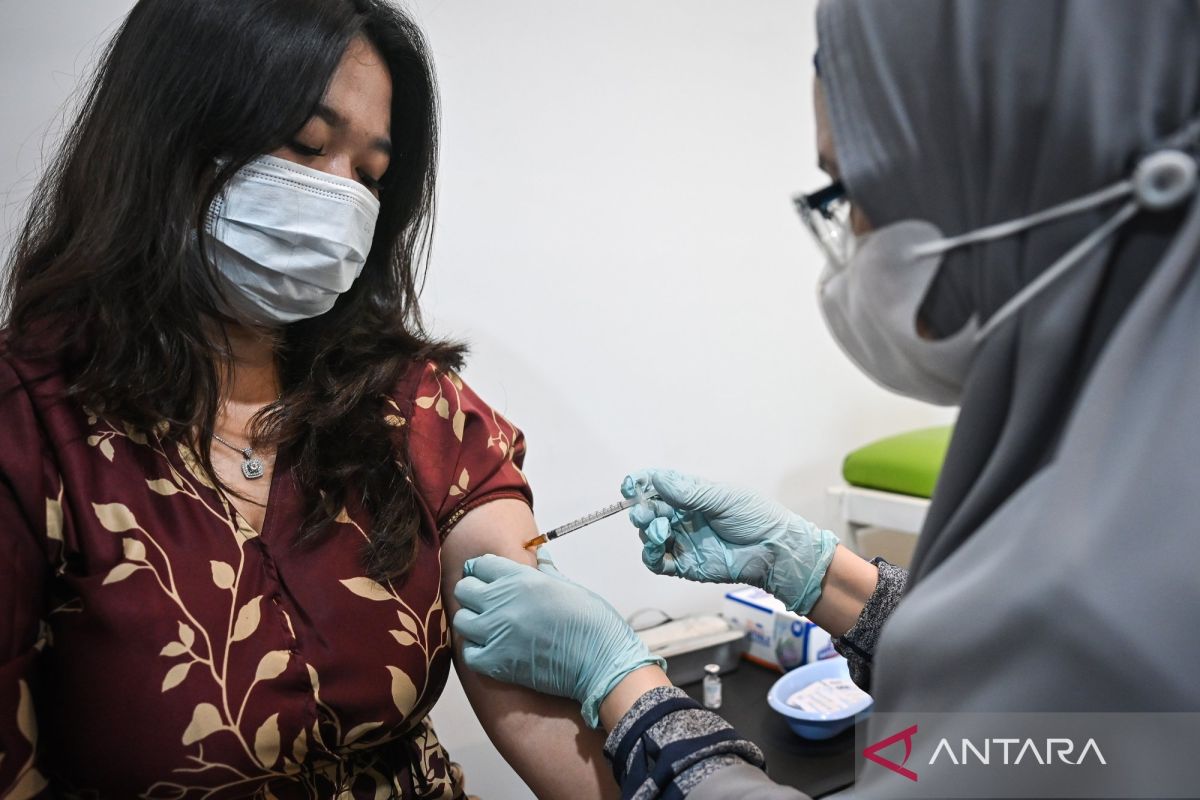
“Influenza viruses continue to circulate and change over time, so prevention remains important every year,” Andrew said in an official statement in Jakarta on Thursday.
First, maintaining good health can be achieved by eating a balanced, nutritious diet, exercising regularly, getting adequate sleep and generally looking after one’s health, all of which help the body maintain a well-functioning immune system.
Second, vaccination. Influenza viruses keep changing, so the composition of vaccines can be updated to match the strains expected to circulate. Protection from vaccine-induced antibodies can also wane over time.
Third, the lecturer at the Faculty of Medicine and Health Sciences at Atma Jaya Catholic University also recommends wearing a mask in risky situations, particularly in crowded places or enclosed spaces.
“Wearing a mask helps reduce the spread of respiratory particles from someone who is ill, while also providing additional protection to those around them,” Andrew said.
Fourth, good cough and sneeze etiquette should be practised, avoiding covering the nose and mouth with the palms of the hands. Instead, single-use tissues should be used and promptly thrown away, or the nose and mouth should be covered with the inside of the elbow or upper arm if tissues are unavailable.
Fifth, hand hygiene is another important step, as influenza can also spread when hands contaminated with the virus touch the nose, mouth or eyes.
Washing hands with soap and running water, or using an alcohol-based hand sanitiser, can help reduce the risk of transmission.
Unlike common influenza, type A symptoms are not merely a cough or runny nose, as they are typically accompanied by fever, chills, sore throat, headache, muscle aches and considerable fatigue. These symptoms generally appear about one to four days after exposure to the virus.
Although influenza often resolves well in most people, young children, particularly those under five, the elderly, pregnant women, and patients with certain chronic diseases such as diabetes, heart disease, lung disease or immune system disorders are at higher risk of severe influenza and complications.
One complication to watch for is pneumonia, or inflammation of the lungs. Alongside influenza symptoms, pneumonia may be marked by shortness of breath or difficulty breathing, chest pain, marked weakness, difficulty eating or drinking, dehydration and reduced consciousness.
In some vulnerable groups, such as the elderly or patients with weakened immune systems, signs of severe infection do not always appear typical.
Andrew said influenza can be diagnosed using a rapid antigen test, with samples collected from the respiratory tract using a nasal or nasopharyngeal swab.
PCR or other molecular tests can also be used to detect influenza viruses with higher sensitivity, particularly in patients with severe symptoms, those hospitalised, or groups at risk of complications.