
Five signs of academic burnout among university students to watch out for
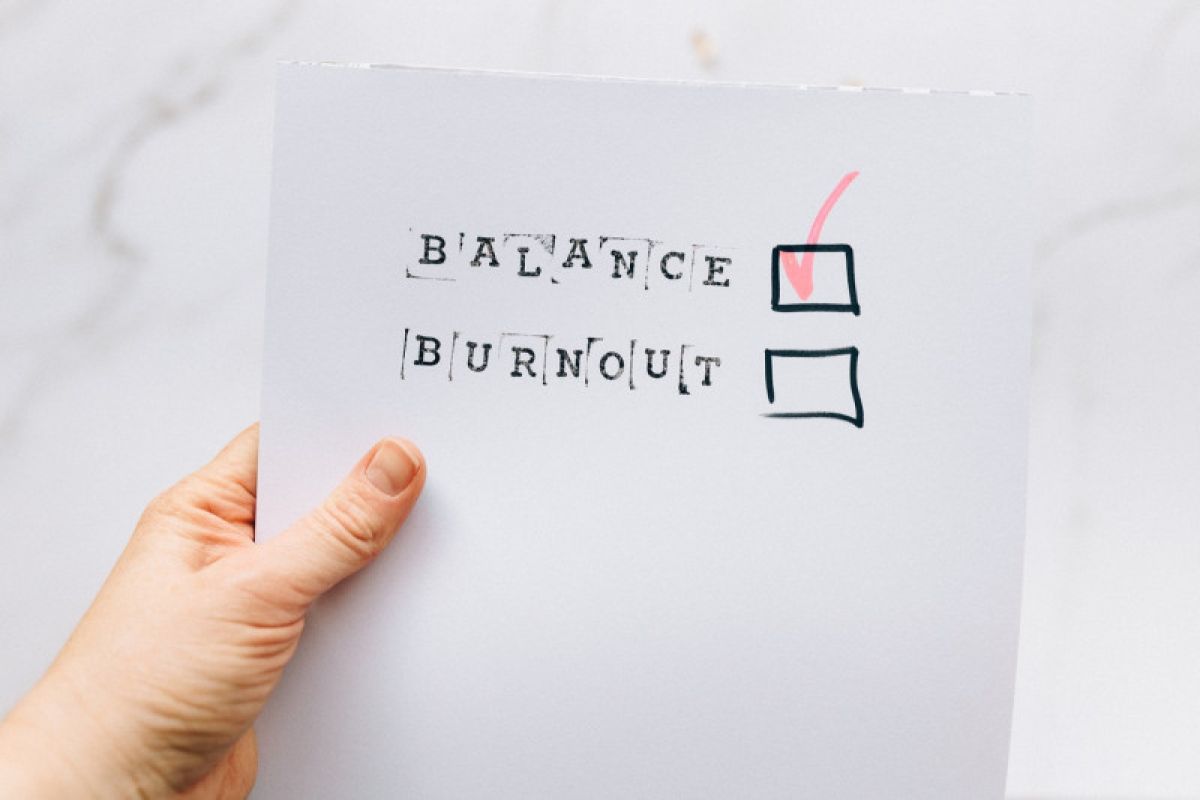
Jakarta (ANTARA) – A pile-up of coursework, closely spaced exam dates, pressure to achieve good grades and the demands of completing a thesis can make student life exhausting. At first, these pressures may cause only stress. But when academic pressure continues without enough recovery time, students may experience academic burnout.
The term refers to exhaustion caused by prolonged academic demands, accompanied by a negative attitude towards studying and a sense of being unable to meet the responsibilities of student life.
According to an article published by the Directorate General of Advanced Health at Indonesia’s Ministry of Health, academic burnout can affect students’ physical, mental and emotional wellbeing, including their motivation to study and academic performance.
So what signs of academic burnout should students look out for?
- Feeling tired despite resting
One possible sign is prolonged physical and mental exhaustion. Students may feel they do not have enough energy to attend lectures, read course materials or complete assignments.
Studying, which once felt routine, can become a heavy burden. Even after sleeping or taking time to rest, students may not regain the motivation to return to their work.
This differs from occasional tiredness after sitting exams or completing a major assignment. The point to watch is whether exhaustion keeps recurring and begins to interfere with daily activities.
- Losing interest and putting off assignments
Students experiencing academic burnout may lose interest in academic activities they previously enjoyed. Opening a laptop to work on an assignment, reading course materials or attending classes can feel increasingly difficult.
Some may put off work not because they do not understand the material, but because they feel too drained to get started.
If this continues, procrastination can cause work to pile up and increase pressure. Students may then become trapped in a cycle of exhaustion, delay and guilt.
- Becoming cynical or indifferent towards university
Another sign is a change in attitude towards academic activities. Students who were previously enthusiastic about attending classes may begin to feel that university is no longer meaningful.
They may become more easily irritated by assignments, feel bored in lectures or see all academic activities as obligations that simply need to be completed.
This change does not necessarily mean that a student has chosen the wrong subject. In some cases, such negative feelings can arise from mounting pressure and insufficient rest.
- Struggling to concentrate and doubting one’s abilities
Academic burnout can also make it difficult for students to maintain their concentration, understand course material or remember newly learned information.
Assignments that could usually be completed quickly may feel much more difficult. Students may also feel that their work is never good enough, despite their efforts.
This sense of incompetence can lead to doubts about their own abilities. If left unaddressed, students risk losing even more confidence in their studies.
- Changes in sleep patterns and mood
Prolonged academic pressure can be associated with changes in sleep patterns, appetite and mood. Students may struggle to sleep because they are thinking about deadlines, become irritable or anxious, or withdraw from friends.
However, these symptoms do not necessarily indicate academic burnout. Physical health problems and other psychological conditions can cause similar complaints.
It is therefore important to consider how long symptoms last, how severe they are and how much they affect daily life, rather than focusing on a single symptom in isolation.
Students who begin to notice these signs should reassess their academic workload and daily habits. They could break large assignments into smaller tasks, draw up a realistic schedule, and set aside time to sleep and rest.
Students do not need to push themselves to be productive all the time. Talking to a trusted friend, academic adviser or campus counsellor may help them find ways to cope with the pressure they are experiencing.
If exhaustion, loss of motivation or changes in mood persist and interfere with daily activities, students should consider consulting a health professional.
Recognising the signs early can help students take appropriate action before burnout further disrupts their studies and wellbeing.
Source: jawawa.id (https://jawawa.id/newsitem/five-signs-of-academic-burnout-among-university-students-to-watch-out-for-1794585183)
Originally published by Antara (Indonesian) (https://www.antaranews.com/berita/5852791/5-tanda-academic-burnout-pada-mahasiswa-yang-perlu-diwaspadai), translated from Indonesian