
Five Ships Successfully Pass Through Strait of Hormuz Blockade
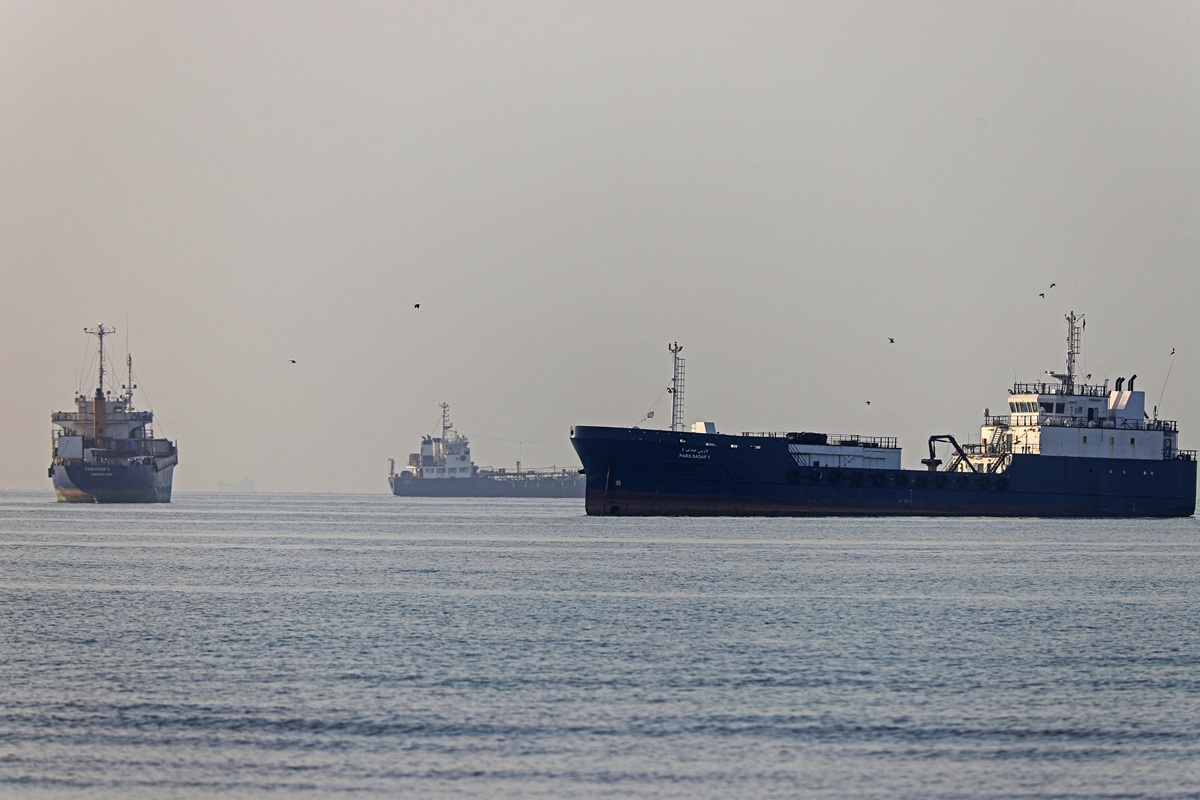
Shipping activity in the Strait of Hormuz has reportedly resumed after the United States and Iran announced an agreement to end the war in the Middle East. Iranian media reported on Monday evening local time that three oil tankers and two cargo ships had successfully passed through the waterway, which had previously been targeted by a US naval blockade.
This development aligns with a statement by US President Donald Trump, who said the vital global energy logistics route would be ‘fully open’ by Friday. ‘Ships are starting to move, many carrying oil, out of the Strait of Hormuz,’ Trump said, adding that he did not ‘think we will need much help’ to keep the waterway open.
The reopening of one of the world’s most important energy chokepoints offers a path to ending the deadly conflict and global economic turmoil, which was initially triggered by a US-Israeli attack on Iran in late February. Since the start of the war, Iran had blockaded the strait, causing world oil prices to soar. The US retaliated by blocking all commercial shipments to and from Iranian ports.
The US, Iran, and Pakistan, acting as mediator, stated that the peace agreement will be physically signed on Friday in Switzerland. However, a senior US government official disclosed that President Trump, Vice President JD Vance, and Iranian Parliament Speaker Mohammad Bagher Ghalibaf have already signed the draft document electronically. ‘The President wants to sign it in person because he wants to show… his dedication to bringing this to a successful resolution,’ the official said.
When asked at the G7 summit in France about the timing of the draft’s public release, Trump responded: ‘It is a very powerful document, and I want it released. So probably soon.’
From Tehran, Deputy Foreign Minister Kazem Gharibabadi stated the agreement brings an ‘imminent end’ to the war, with further negotiations towards a ‘final agreement’ to be held within two months. Iranian President Masoud Pezeshkian also hailed it as a ‘great achievement’ for the region. However, Foreign Minister Abbas Araghchi adopted a more cautious tone regarding future US compliance, stating: ‘We have a history of broken commitments. We have a history of torn-up agreements. All of this is in our minds.’