
Five Operations No Longer Covered by BPJS Kesehatan from June 2026
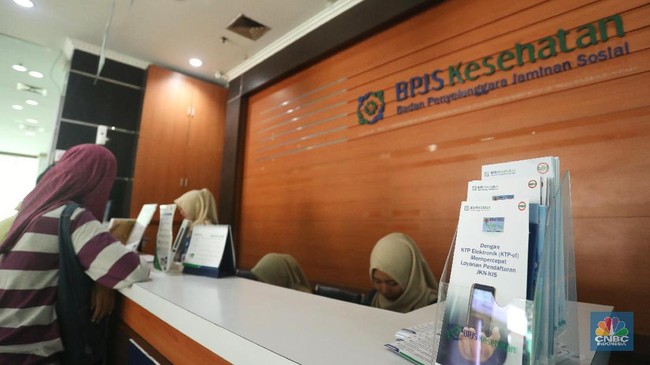
BPJS Kesehatan, the national social security agency, provides health protection to the people of Indonesia. Similar to insurance, BPJS requires participants to pay monthly premiums. As long as their membership is active, participants can receive free health services at clinics, community health centres (Puskesmas), and hospitals that cooperate with BPJS Kesehatan.
One of the services covered by BPJS Kesehatan is surgery. However, there are several types of surgery that are not covered by BPJS Kesehatan. What are they?
Here is a list of operations not covered by BPJS Kesehatan:
Operations resulting from accidents
Cosmetic or aesthetic surgery (surgery that does not pose a health risk)
Operations resulting from self-inflicted injuries (surgery resulting from negligence or carelessness that causes injury)
Operations performed in foreign hospitals (surgery performed outside the coverage area of BPJS Kesehatan)
Operations that do not comply with BPJS Kesehatan procedures (surgery that does not follow the correct application procedures)
However, according to the guidelines for the implementation of the National Health Insurance (JKN), namely Minister of Health Regulation (Permenkes) Number 28 of 2014, there are 19 types of surgery covered by BPJS Kesehatan, namely:
Heart surgery
Caesarean section
Cyst surgery
Fibroid surgery
Tumour surgery
Odontectomy surgery
Oral surgery
Appendicitis surgery
Gallstone surgery
Eye surgery
Vascular surgery
Tonsil surgery
Cataract surgery
Hernia surgery
Cancer surgery
Lymph node surgery
Tooth extraction surgery
Knee replacement surgery
Thymectomy surgery
To obtain BPJS coverage for surgery, patients must seek treatment at primary healthcare facilities, such as community health centres or clinics that have been approved by BPJS Kesehatan. If surgery is required, patients will be given a referral letter to a hospital and will receive a surgery schedule from the doctor in question at the hospital. In addition, there are three requirements that must be met and obtained by patients to obtain surgery coverage from BPJS Kesehatan, namely a BPJS Kesehatan card or a Healthy Indonesia Card (KIS), a referral letter from a community health centre/primary healthcare facility, and a patient card from the hospital.