
Five Menopause Symptoms That Can Affect Everyday Activities
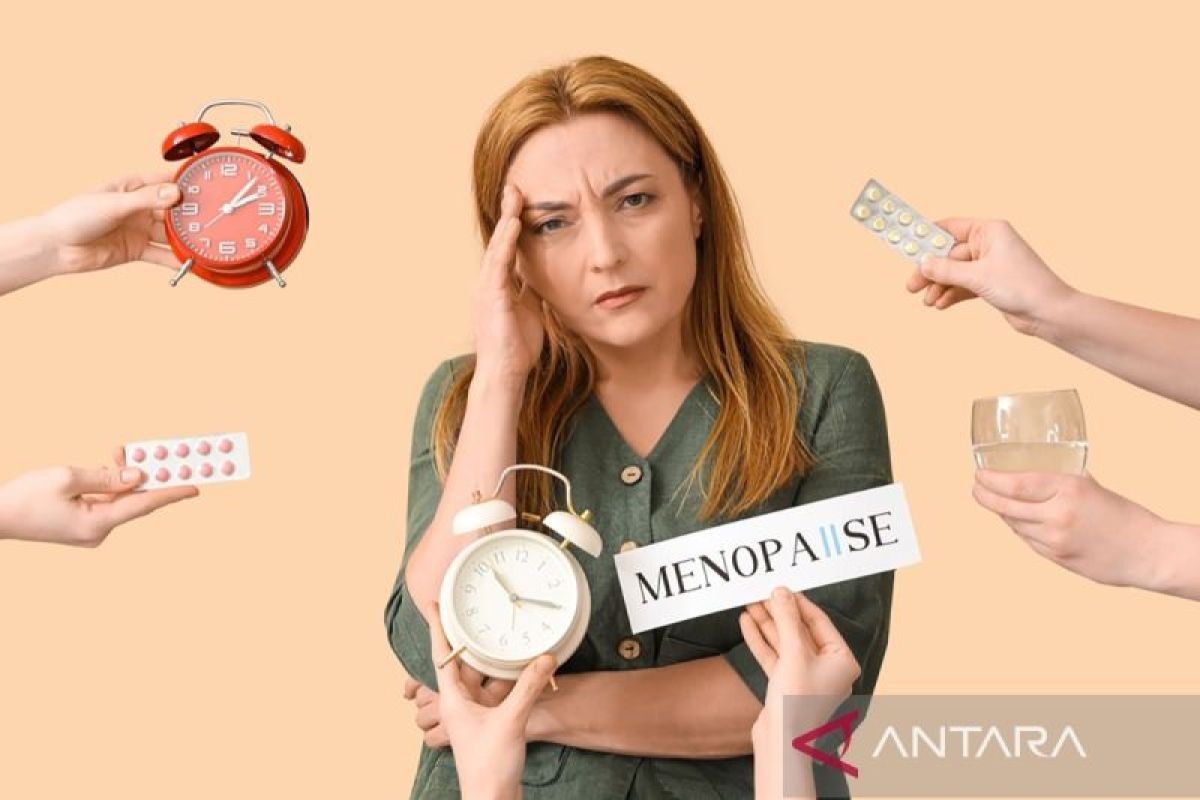
Jakarta (ANTARA) – Menopause is a natural stage in a woman’s life, marked by the permanent cessation of menstruation. It usually occurs between the ages of 45 and 55 and is associated with a decline in the ovaries’ production of oestrogen.
Although it is part of the natural ageing process, menopause can bring a range of physical and emotional changes. Symptoms differ from one woman to another: some experience only mild discomfort, while others have symptoms that interfere with work, rest, social relationships and everyday activities.
Information from the UK government in October 2025 said around three in four women experience menopause symptoms. These complaints can last for several years and affect quality of life, although their severity and duration vary between individuals.
Here are five menopause symptoms that can affect everyday activities.
- Sudden hot flushes and night sweats
A common menopause symptom is a hot flush: a sudden sensation of heat, particularly in the face, neck and chest. It may be accompanied by reddening of the skin, excessive sweating, a racing heartbeat and discomfort lasting several minutes.
The symptoms can also occur at night, causing women to sweat while asleep. Clothes or bed sheets may become wet and need changing, disrupting rest.
When they happen at work, while travelling or during an event, sudden hot flushes can cause discomfort and make it difficult to concentrate. Their frequency varies, from occasional episodes to several times a day.
- Difficulty sleeping and fatigue
Hormonal changes during the transition to menopause can be associated with sleep problems. Some women find it difficult to fall asleep, wake repeatedly during the night or get up earlier than usual.
Night sweats can make the problem worse. If this happens repeatedly, sleep quality may decline and the body may not get enough rest.
A lack of sleep can leave someone tired during the day, irritable and struggling to concentrate. Tasks that require attention, such as working, managing the household or completing assignments, can also feel more difficult.
- Mood changes and anxiety
Menopause symptoms are not limited to physical changes; they can also affect emotional wellbeing. Women may experience mood swings, become more irritable, feel anxious or have a low mood.
Hormonal changes may contribute to these complaints. Sleep problems and fatigue associated with menopause can also worsen emotional wellbeing.
In everyday life, mood changes can affect communication with a partner, family members and colleagues. Some women may also find it harder to manage stress when facing several responsibilities at once.
However, mood changes are not always caused by menopause. If sadness, anxiety or loss of interest persists and interferes with daily life, a health professional should be consulted to identify the cause and appropriate treatment.
- Memory and concentration problems
Some women experience changes in memory and concentration during the menopausal transition. Often referred to as ‘brain fog’, this can make it harder to remember information, find the right word or stay focused on a task.
These difficulties may arise at work, in conversation, while reading or when doing household chores. Combined with poor sleep and fatigue, activities that are usually straightforward can feel more challenging.
According to the UK’s National Health Service (NHS), memory and concentration problems are among the symptoms that can occur during perimenopause and menopause. Not all women experience them, however, and the severity varies.
- Joint pain and vaginal dryness
Menopause can also bring other physical complaints, including joint pain or stiffness and vaginal dryness. Both can affect comfort and everyday activities.
Joint pain may be felt in the knees, hands, shoulders or other parts of the body. The discomfort can interfere with activities involving a lot of movement, such as walking, climbing stairs or doing housework.
A fall in oestrogen levels can make vaginal tissue drier and more sensitive. This may cause itching, irritation or pain during sex. Some women also experience urinary symptoms, such as needing to urinate more often or recurrent urinary tract infections.
These complaints do not have to be endured without treatment. Women experiencing persistent joint pain, troublesome vaginal dryness or urinary problems can consult a health professional to establish the cause and discuss suitable care options.
When should you consult a doctor?
Menopause symptoms can be managed through lifestyle changes or medical treatment, as appropriate. Maintaining good sleep habits, eating a balanced and nutritious diet, exercising regularly and paying attention to mental health can support wellbeing during this transition.
If symptoms begin to affect work, sleep, social relationships or quality of life, consulting a doctor can help determine the right treatment. Hormonal and non-hormonal therapies are available and can be considered in light of each woman’s health and medical history.
Vaginal bleeding after 12 consecutive months without menstruation should also be checked by a doctor, even if the amount of blood is small. An examination is needed to determine the cause and rule out an underlying health problem.
Menopause is a natural stage of life, but that does not mean every complaint should be left unaddressed. Recognising symptoms and seeking help when needed can help women remain comfortable in their everyday activities.