
Five Kopdes Merah Putih Manager Candidates Die, DPR Urges Reduction in Physical Training
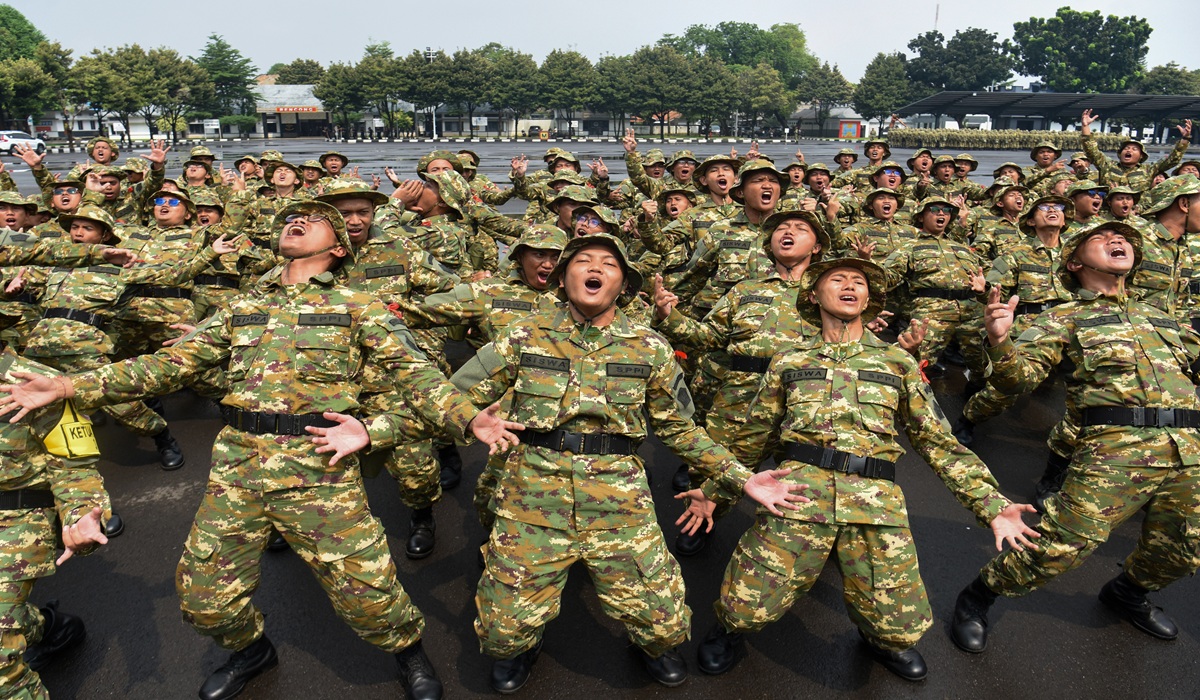
A member of Commission I of the Indonesian House of Representatives (DPR), Amelia Anggraini, has urged the Ministry of Defence to conduct a total evaluation and reduce the portion of high-intensity physical training in the Basic Military Training (Latsarmil) for the Sarjana Penggerak Pembangunan Indonesia (SPPI) programme. The call follows the deaths of five prospective managers for the Kopdes Merah Putih (Village Cooperative) and Kampung Nelayan Merah Putih (Fishermen’s Village) programmes while undergoing the military discipline training.
Amelia emphasised that although character building, discipline, and field leadership have strong relevance, the training material design must be adapted to the participants’ conditions. ‘The evaluation must be carried out specifically on the design of the training materials. SPPI participants are not being prepared as combat soldiers, but as community-based development managers. Therefore, materials with high physical risk need to be reviewed based on the principle of job relevance,’ Amelia stated in a written release on Sunday (28/6).
She outlined several crucial steps that the Ministry of Defence must immediately adapt in formulating a new Latsarmil curriculum for civilians. The initial step is to reduce or modify all high-intensity physical exercises that have no direct connection to the functional duties of prospective village managers. Furthermore, the physical training portion must be implemented gradually and selectively, considering variables such as age, current health conditions, body mass index, and objective medical records of each participant. Simultaneously, the new curriculum should increase the portion of classroom-based materials, including leadership, national defence, public service ethics, teamwork, and crisis management.
The Ministry of Defence was also asked to strengthen the curriculum with core civilian competencies, including cooperative management, social leadership, public communication, village conflict mitigation, food security, and disaster preparedness. Lastly, she said, field health supervision must be reinforced through regular monitoring of vital signs to enable early detection of heat stroke symptoms, dehydration, and potential cardiac arrest, along with instructions to immediately halt training when early symptoms are detected.
Amelia stated that the fatal incident should not be used as a reason or pretext to halt the SPPI programme entirely. She argued that the governance of village cooperatives and fishermen’s villages still requires a supply of resilient and well-organised human resources. She said this incident must become a momentum for the relevant ministries to design a training programme that is more proportional, accountable, and based on risk management. ‘The success of national development is determined not only by discipline, but also by the state’s ability to ensure that every human resource development programme is conducted safely, professionally, and with an orientation towards participant safety,’ Amelia concluded.