
Five Kopdes Manager Candidates Die During Military Training, Doctor Calls for Adjusted Programmes
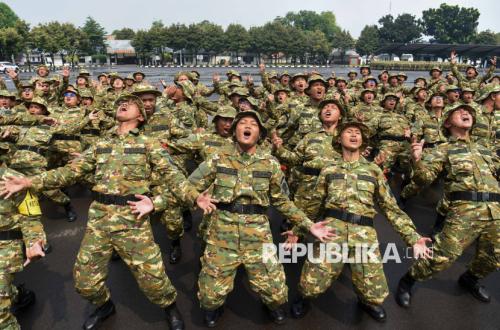
The implementation of basic military training (latsarmil) for prospective managers of the Merah Putih Village Cooperatives (Kopdes) and Fishermen’s Village Cooperatives has resulted in fatalities. According to information from the Ministry of Defence, the death toll has now reached five people. The medical causes of death for the five Kopdes manager candidates varied, ranging from cardiac arrest and heat stroke to tuberculosis (TB) complications and drowning.
Responding to this, Dr Dany Azzam Ardian, a doctor and Public Relations officer for the Central Board of the Indonesian Doctors’ Health Facility Association (HIFDI), stressed the importance of adjusting the training to the participants’ capabilities based on initial assessment results. Considering the participants are civilians, Dr Azzam suggested that the training material should avoid sudden, strenuous physical activity, especially in hot weather.
Furthermore, organisers are obliged to provide adequate rest periods, ensure participants receive sufficient hydration, monitor for danger signs, and have medical personnel on standby along with evacuation procedures in the event of an emergency. “Participants who have comorbidities or are not yet fit should also receive a modified training programme,” Dr Azzam said when contacted on Monday (29/6/2026).
He also assessed that the implementation of high-intensity physical training needs to be preceded by a comprehensive health screening. This is crucial to minimise the risk of death. According to Dr Azzam, ideally, participants should undergo a pre-participation medical check-up that includes a medical history interview, a complete physical examination and vital signs check, and a cardiac examination at least with an electrocardiogram (EKG). If the physical activity to be undertaken requires a high level of fitness, the examination can be continued with a treadmill test.
“Participants must also undergo a lung X-ray, basic laboratory tests such as routine blood work, liver function, and kidney function, as well as a gradual physical fitness assessment. If conditions such as uncontrolled hypertension, heart disease, active infections like tuberculosis, or other medical conditions that increase risk are found, the participant should be deferred from training until declared safe,” Dr Azzam said.