
Five Indonesian Geoparks Retain UNESCO Green Cards as Bojonegoro Qualifies as New UGGp
Jakarta (ANTARA) – Five Indonesian geoparks have retained their UNESCO green-card status in the 2026 UNESCO Global Geoparks revalidation, held in Paris, France, on 2–4 November 2026.
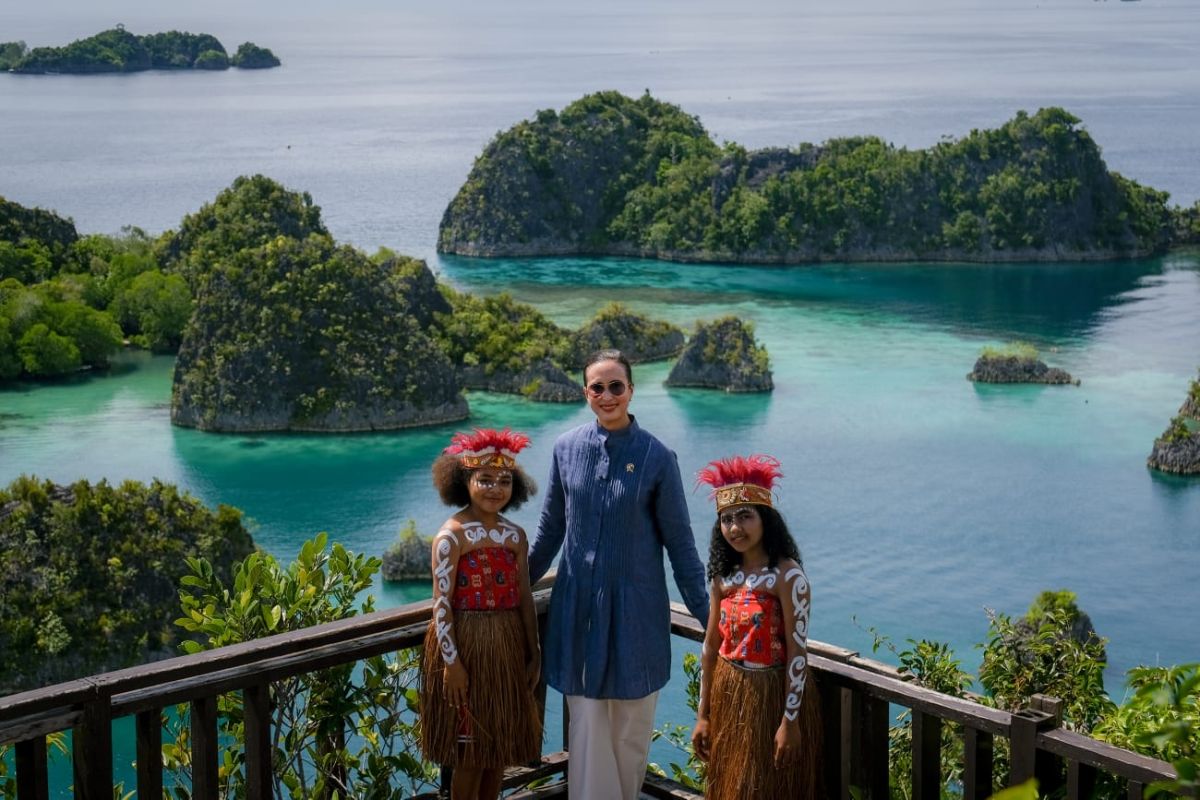
The five geoparks are Belitong, Merangin Jambi, Ijen, Raja Ampat and Maros-Pangkep. Bojonegoro was approved as a new UNESCO Global Geopark (UGGp), while Ranah Minang Silokek was given two years to fulfil UNESCO’s recommendations before it can be proposed as a new UGGp.
Tourism Minister Widiyanti Wardhana said the achievements reflected Indonesia’s efforts to strengthen geopark management, preserve geological heritage and develop sustainable tourism.
“Global geopark status must be safeguarded through strong management, meaningful conservation and the involvement of local communities. We want geoparks not only to be a source of pride for Indonesia internationally, but also to deliver economic benefits and improve the welfare of people in surrounding areas,” Widiyanti said in an official statement confirmed in Jakarta on Friday.
One notable achievement was Belitong UGGp’s return to green-card status after it received a yellow card in the 2024 revalidation. During the two-year improvement period, its management and local governments acted on UNESCO’s recommendations, particularly those concerning the commercialisation of Batu Satam and turtle-conservation standards.
The Belitung and East Belitung regencies issued circulars prohibiting the commercialisation of Batu Satam. Turtle-conservation activities, meanwhile, were concentrated on Pulau Cina, which is managed by the Ministry of Marine Affairs and Fisheries.
Merangin Jambi UGGp also retained its green card. Designated in 2023, the area features ancient limestone formations and the Masurai Caldera, which is around 33,000 years old. One point raised in the assessment concerned illegal gold mining near the river where the Muara Karing fossils are found.
In response, the geopark management and local government have sought to close the mining operations carefully, as they are directly linked to the livelihoods of local residents.
Maros-Pangkep UGGp underwent its first revalidation on 27–31 July 2026. Covering 5,254.10 square kilometres of land and sea, the area features world-class karst landscapes, more than 720 caves, prehistoric rock art, marine conservation areas and rich biodiversity.
Widiyanti stressed that UNESCO recognition brought a shared responsibility to protect Indonesia’s natural, geological and cultural wealth, ensuring it remains preserved while delivering tangible benefits to surrounding communities.
Source: jawawa.id (https://jawawa.id/newsitem/five-indonesian-geoparks-retain-unesco-green-cards-as-bojonegoro-qualifies-as-new-uggp-1793940705)
Originally published by Antara (Indonesian) (https://www.antaranews.com/berita/5835927/lima-geopark-ri-raih-kartu-hijau-unesco-bojonegoro-lolos-uggp-baru), translated from Indonesian