
Five Factors That Will Determine How Long the US–Israel–Iran War Will Last in the Arab World
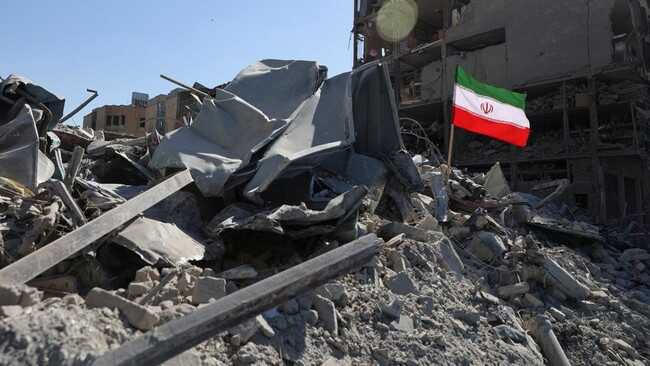
The war between the United States (US) and Israel against Iran is expected to continue for some time. The conflict, which has now entered its second week, is seen as having several factors that will determine how quickly or slowly it ends.
Professor of International Law at Universitas Indonesia, Hikmahanto Juwanam, for example, says there are five main variables influencing the duration of the conflict.
“At least five variables determine the speed or length of war,” Hikmahanto told CNBC Indonesia on Friday (6 March 2026).
Earlier, US President Donald Trump predicted the conflict could end within four to five weeks. But Iran has stated it is prepared to face attacks for as long as necessary to defend its sovereignty.
According to Hikmahanto, the first factor is the military stamina of each side. This includes the availability of various weapons and the ability to finance the war.
“Stamina here means how many military assets are possessed, from missiles, military drones, fighter aircraft to soldiers and the budget,” he said.
The second factor is domestic political and public support. The decision to continue or halt the war is greatly influenced by how strong domestic support is for the government.
“The party with the authority to stop or continue the war relies heavily on political and public support,” the UI expert explained.
The third variable is the potential involvement of other countries. Hikmahanto assesses that the conflict could widen if other states join either side. Some Western countries such as the United Kingdom, France, and Germany could be on one side, while Russia, China, and even North Korea could be on the other.
The fourth factor is the reaction of the international community. If the war lasts longer, global pressure such as diplomatic isolation or embargoes against the warring parties could occur.
Additionally, global public opinion is increasingly influential in the digital era. Netizens around the world could take various actions to defend one side in the conflict.
The final factor is the role of international mediators. A third party is seen as a route out when the warring sides become weary or lose domestic support.
“Mediators essentially act as face-savers for the warring parties. They need an exit strategy so that the resolution of the conflict is not perceived as a defeat,” he said.
According to Hikmahanto, the combination of these five factors will ultimately determine whether the war between the US, Israel and Iran will be short or protracted.