
Five Defendants in Benoa Human Trafficking Case Deny Prosecution Allegations
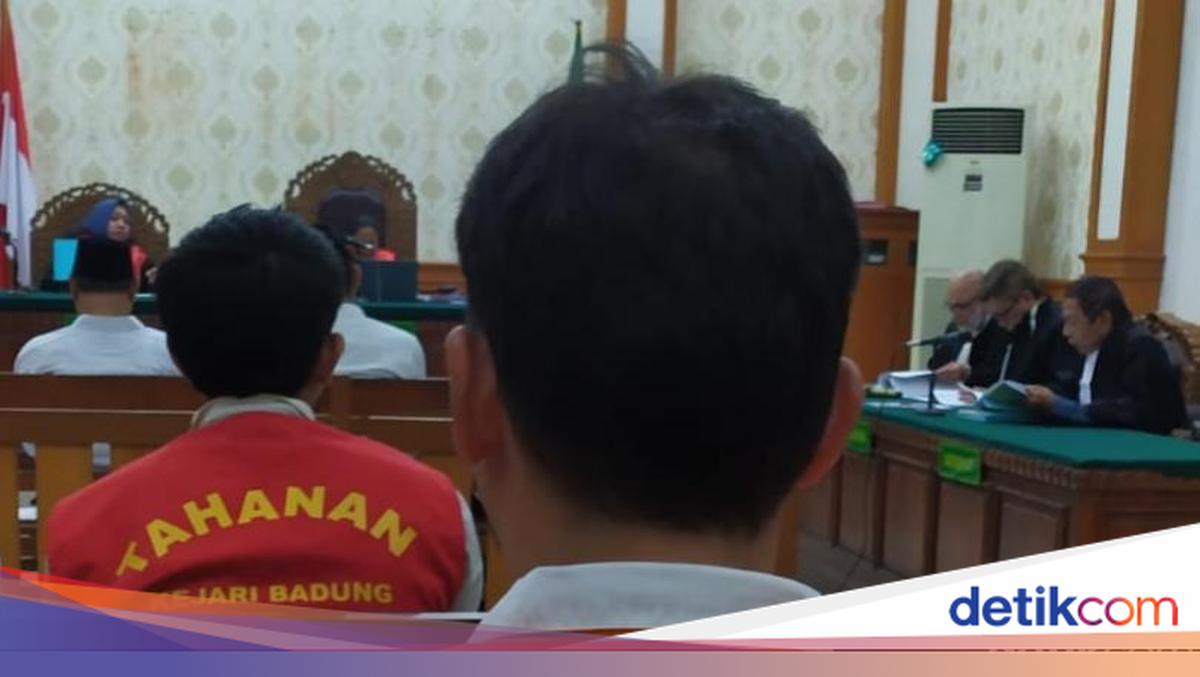
The defendants in the alleged human trafficking case involving the recruitment of crew members for the KM Awindo 2A at Benoa Port have collectively denied the indictments and demands made by the public prosecutor. During the plea (pleidoi) session, they argued that the prosecution’s demands do not align with the facts revealed during the trial.
Iwan, the Director of PT Awindress International, told the panel of judges, chaired by Ni Kadek Kusuma Wardani, that the charges against him are not based on actual legal facts. “I swear, Your Honour, that the indictment and prosecution against me are not based on true legal facts. Everything is the result of engineering, assumptions, and the forced manipulation of facts by certain investigators,” Iwan stated in court on Wednesday (3/6/2026).
According to Iwan, the case began when an investigator approached the KM Awindo 2A and interrogated the crew members. He believes there was an initial attempt to manipulate public opinion, which eventually led to the human trafficking allegations against his company.
Jaja Sucharja, the captain of the KM Awindo 2A, expressed similar sentiments, stating that he has never engaged in the exploitation of crew members throughout his decades in the maritime industry. “I have worked at sea for a long time to support my family. I have never committed any unlawful acts or exploited crew members. I will continue to seek justice as I feel wronged in this case,” Jaja asserted.
The defence team, comprising Chrisno Rampalodji, Johny Indriady, Butje Karel Bernard, and Sonny Tembalika, argued that the prosecution’s indictments and demands are not supported by strong evidence. They noted that several witness testimonies presented during the trial were contradicted by other facts introduced by the defence.
Lawyer Butje Karel Bernard stated that some witness statements were inconsistent with the facts revealed in court. Consequently, the defence requested that the judges assess the case objectively based on the evidence and trial facts, rather than relying on assumptions or investigation summaries.
Meanwhile, defence lawyers Refdiyanto and Trisasongly Daniar questioned the basis for categorising the case as human trafficking. They argued that the recruitment process for the prospective crew members was conducted openly via Facebook and lacked any element of exploitation. “We question where the human trafficking lies in our client’s case. Recruitment was done openly through Facebook, not secretly,” said Daniar.
Daniar also emphasised that the prospective crew members had not yet started working when they were detained by authorities, and the vessel was not yet at sea. Therefore, he argued, the element of exploitation required for a human trafficking charge had not been met. Based on this, the defence maintains that the case should not have proceeded to trial as a human trafficking matter.
Previously, the prosecutor demanded three years of imprisonment for defendants Refdiyanto, Titin Sumartini (alias Mami Ina), Jaja Sucharja, and Iwan, while defendant I Putu Setyawan faced a four-year prison sentence.
The case emerged in July 2025 when the KM Awindo 2A docked at Benoa Port. Several prospective crew members sought help from officials, claiming they were uncomfortable and wished to be sent home. The Bali Regional Police Criminal Investigation Unit investigated the report and found allegations of human trafficking involving 21 prospective crew members. The victims were reportedly recruited via social media with promises of high-paying maritime jobs. They were gathered in Java, transported to Bali, and housed in a dormitory before being placed on the vessel. During the investigation, police discovered evidence of debt bondage, where victims’ advances were entirely deducted for administration and travel costs. Some victims also reported that their mobile phones and identification documents were confiscated while on the ship.