
Five Countries Elected as Non-Permanent Members of the UN Security Council
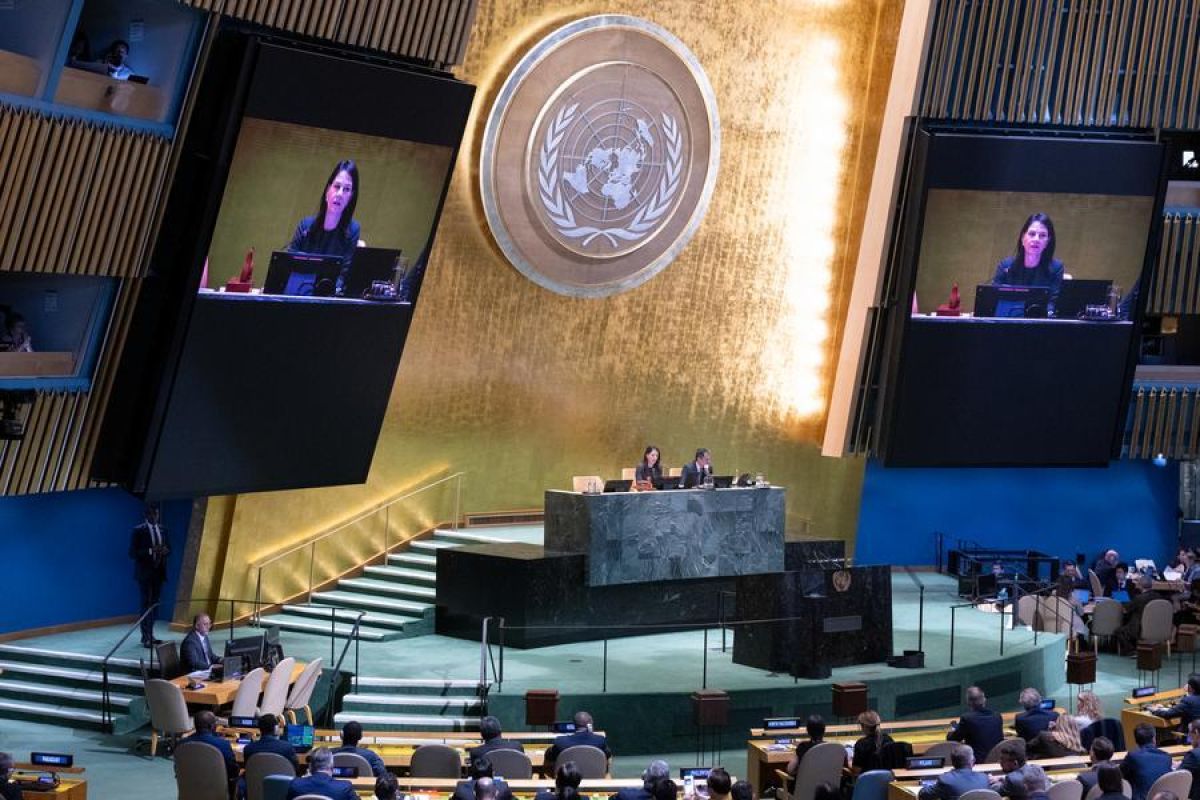
UNITED NATIONS (ANTARA) - Austria, Kyrgyzstan, Portugal, Trinidad and Tobago, and Zimbabwe were elected as non-permanent members of the United Nations Security Council on Wednesday (June 3) for a two-year term.
This election marks the first time Kyrgyzstan will serve on the UN Security Council.
The newly elected countries will replace the outgoing non-permanent members of the UN Security Council, namely Denmark, Greece, Pakistan, Panama, and Somalia. They will begin their terms on January 1, 2027, and serve until December 31, 2028.
Candidates must obtain the support of two-thirds of the UN member states present and voting in the General Assembly session to secure a non-permanent seat on the Security Council, regardless of whether the nomination is contested or not. A minimum of 129 affirmative votes is required to win a seat if all 193 member states are present and vote. UN member states that abstain are not counted as votes.
There were seven candidates competing for the five available seats this year. Austria, Portugal, Trinidad and Tobago, and Zimbabwe were elected in the first round of voting.
Three additional rounds of voting were held before Kyrgyzstan defeated the Philippines in a close contest.
The UN Security Council has 15 member states, five of which are permanent members: the United Kingdom, China, France, Russia, and the United States. The ten non-permanent seats on the council are allocated based on geographical region, with five of them being replaced each year.
The five newly elected countries represent the African, Asia-Pacific, Latin American and Caribbean, and Western European and Other groups. The Eastern European group did not participate in the election this year, as its seat, currently held by Latvia until 2027, is contested every two years.
The Security Council is considered the most powerful body in the UN. The council, which is responsible for maintaining international peace and security, can make legally binding decisions and has the authority to impose sanctions and authorize the use of military force.