
Fitch Warns Indonesia's Export Centralization Plan May Weigh on Investor Confidence
Fitch Warns Indonesia’s Export Centralization Plan May Weigh on Investor Confidence
Jakarta. Indonesia’s recent interest-rate hikes demonstrate Bank Indonesia’s determination to stabilize the rupiah amid mounting investor concerns over government policy changes and external economic pressures, Fitch Ratings said on Wednesday.
The ratings agency said Bank Indonesia raised its benchmark interest rate by a cumulative 100 basis points to 5.75% over roughly a month to support the currency and bolster investor confidence after market volatility fueled by global headwinds and domestic policy uncertainty.
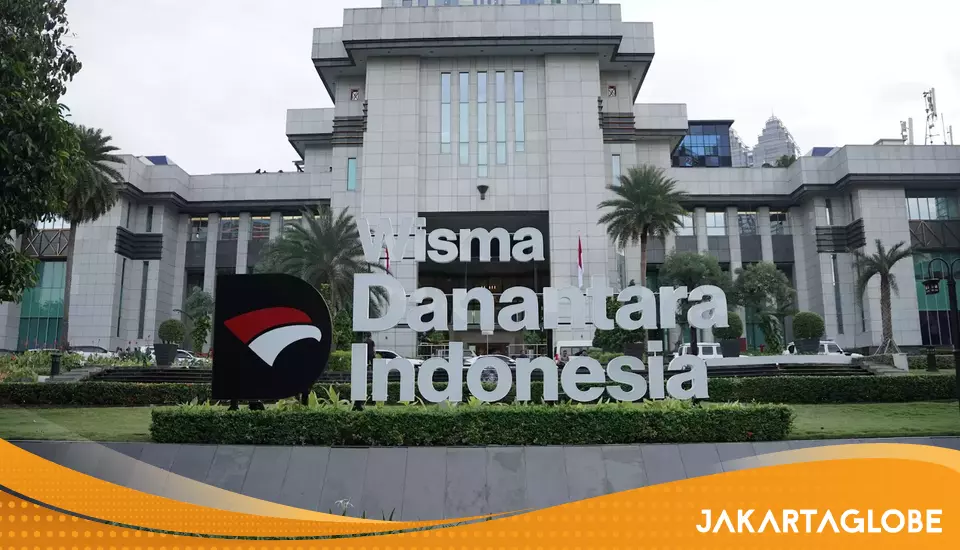
Fitch also raised concerns over policy uncertainty surrounding the government’s plan to centralize exports of strategic commodities through Danantara Sumberdaya Indonesia (DSI), a new state-owned company under Indonesia’s sovereign wealth fund, Danantara.
Under the proposal, DSI will supervise exports of commodities including coal, crude palm oil and ferroalloys through the end of 2026 before becoming the trading entity for those products beginning in January 2027.
Fitch said the plan carries significant execution risks because operational details remain limited. It warned that greater state involvement in commodity exports could deter foreign direct investment and disrupt export flows if governance and transparency are not strengthened.
However, the agency said effective implementation, backed by strong governance, could boost government revenue from strategic commodities and strengthen Indonesia’s foreign exchange reserves over the longer term.
The agency said Indonesia faces mounting external pressures, including a narrowing trade surplus, a weakening rupiah and declining foreign exchange reserves. The rupiah has underperformed most regional peers this year, while gross international reserves fell 4.6% between March and May.
Although the currency has recovered some ground following the rate hikes and other stabilization measures, Fitch expects Indonesia’s reserves to cover 4.9 months of external payments in 2026, slightly below the median for countries with a BBB sovereign rating.
The agency said the decline in reserves reflects higher global energy prices, Bank Indonesia’s foreign exchange intervention to support the rupiah and external debt repayments.
Fitch warned that sustained capital outflows or a prolonged decline in reserves driven by weakening investor confidence could place additional pressure on Indonesia’s sovereign credit rating. In March, the agency revised Indonesia’s outlook to Negative from Stable, citing risks to investor sentiment, fiscal discipline and governance.
The report also said Bank Indonesia’s foreign exchange intervention has tightened domestic liquidity and increased the central bank’s net short foreign currency position to nearly $27 billion at the end of May, potentially raising future foreign exchange funding needs.
Looking ahead, Fitch said lower global oil prices could ease pressure on Indonesia’s fiscal and external balances. However, uncertainty over the Iran ceasefire and rising domestic spending pressures could continue to weigh on investor confidence.
Tags: Keywords: