
Fishermen Assess Eradication of Plecostomus Fish in Ciliwung as Not Easy
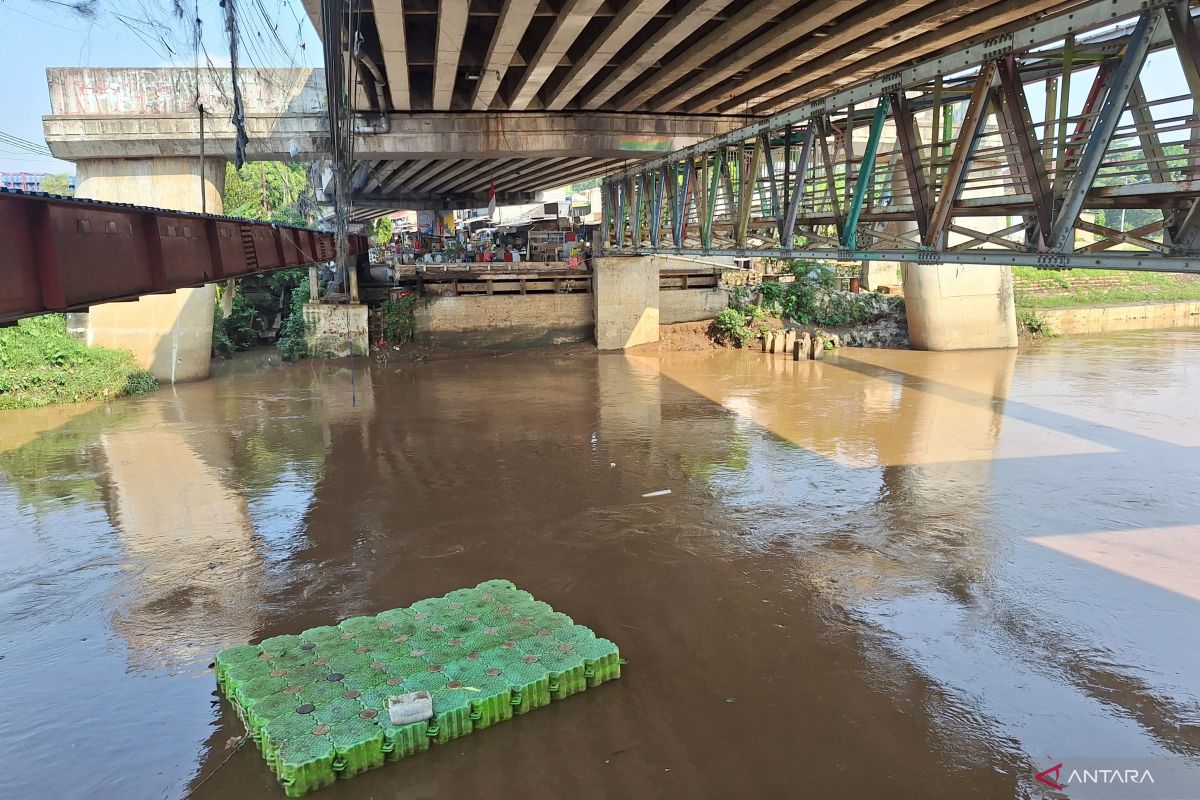
Jakarta (ANTARA) - Fishermen on the Ciliwung River in the Kalibata area, South Jakarta, assess that efforts to eradicate plecostomus fish cannot be thoroughly accomplished due to their high reproductive capacity.
“Indeed, it’s good to clean them up because they are pests, but it won’t be possible to eliminate them completely. Even those who are used to catching them can’t clean them all,” said plecostomus fisherman Ajum (39) when met on the banks of the Ciliwung, Jakarta, on Thursday.
Ajum stated that the population of these fish is difficult to control even with routine captures.
He explained that plecostomus fish have a rapid reproductive ability. In a single spawning, one parent can produce hundreds or even thousands of offspring.
“It reproduces quickly; one fish can produce up to thousands if they hatch,” he said.
According to him, this condition keeps the plecostomus population sustained despite continuous large-scale captures by fishermen.
Ajum likened the eradication efforts for plecostomus fish to mosquito control, which never truly disappears. “Like mosquitoes, they are eradicated but always come back,” he said.
Nevertheless, he considers river cleaning efforts important, particularly to maintain water environmental quality.
He also added that unharvested plecostomus fish can impact the river’s condition because their carcasses can pollute the water.
Moreover, plecostomus fish have become a source of income for some communities, so their presence has an economic side amid their pest status.
“The important thing is to keep the environment clean, but this fish also has economic benefits,” he said.
From an economic perspective, plecostomus fish caught by fishermen are generally sold to collectors and processed into various food products such as cilok, nuggets, otak-otak, and crackers.
As is known, the DKI Jakarta Provincial Government will conduct a river and waterway cleanup, including plecostomus fish, in the capital on Friday (17/4).
The fish are considered capable of destroying embankments and also eating other fish and their eggs, so they need to be cleaned out.
The cleanup activity also aims to improve waterways, dredge mud, and so on, as preparation for facing the rainy season forecasted to occur in September 2026.