
Fish in Rivers Contaminated with Opioids and Antidepressants Due to Human Waste
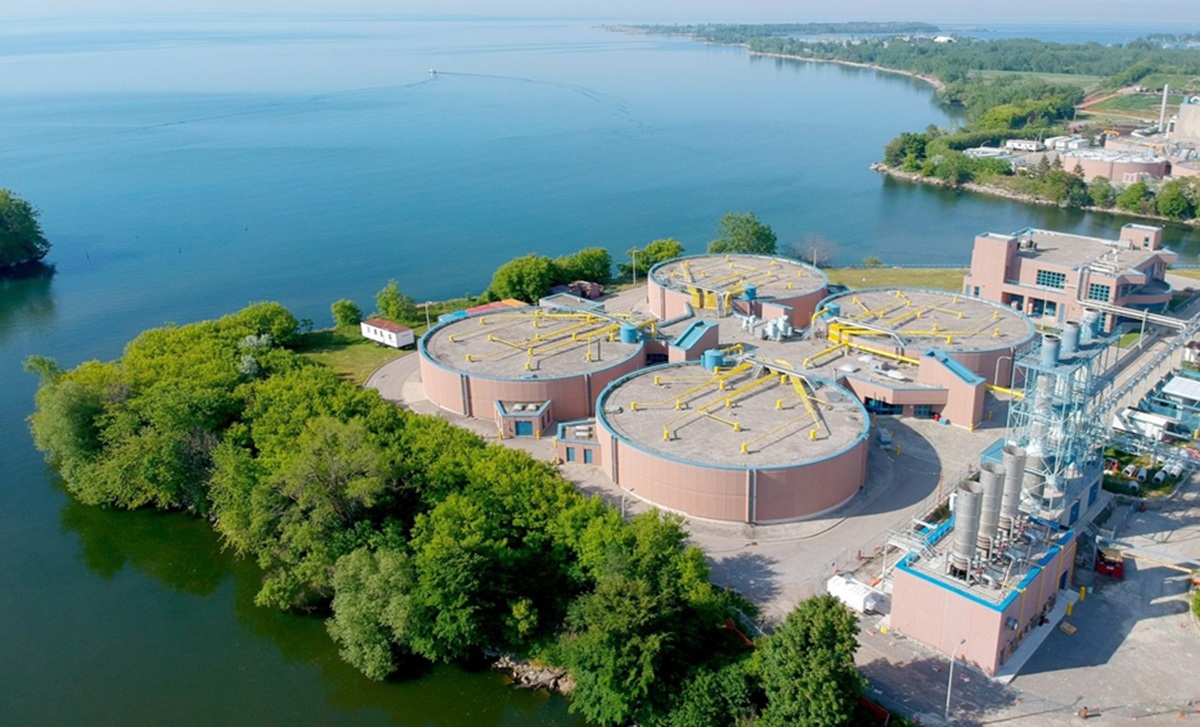
A recent study in Canada has uncovered alarming findings in freshwater ecosystems. Wild fish living downstream from wastewater treatment facilities were found to contain residues of illicit drugs and pharmaceuticals, including opioids and antidepressants, in their body tissues.
Research conducted in the Grand River watershed in southern Ontario shows that current wastewater treatment systems are not fully capable of filtering out all traces of human drug use.
Dr Diana M. Cárdenas-Soracá, a postdoctoral researcher at the University of Waterloo, has demonstrated that these chemicals not only pollute the water but have also transferred into the living tissues of fish. Based on screening results, consistently detected substances include fentanyl, methadone, venlafaxine, and venlafaxine byproducts.
The study used darter fish as subjects because this species tends to remain in a small area, making it a “sentinel species” or accurate indicator for detecting local environmental changes.
Most wastewater treatment systems are designed to filter human waste, nutrients, and pathogens. However, small drug molecules often remain dissolved and are released into rivers daily.
“This research highlights the importance of developing sensitive analytical methods to monitor emerging contaminants and improve our ability to assess potential impacts on aquatic ecosystems,” said Cárdenas-Soracá.
Data collected in May 2024 shows patterns of chemical accumulation. Male fish were found to carry higher drug concentrations than females. Researchers suspect this is because female fish had recently released fat-rich eggs, which likely carried out previously stored chemicals from their fat tissues.
Additionally, the fantail darter species recorded the highest levels of fentanyl and venlafaxine among others. Differences in lifestyle and bottom-river habitats are thought to influence the degree of chemical exposure each fish receives.
Although this study has not directly tested whether these drugs make the fish ill or alter their reproductive behaviour, scientists issue a strong warning. Neuroactive compounds like antidepressants in other studies have been linked to changes in feeding, movement, and stress responses in fish.
These findings, published in the journal Environmental Pollution, are expected to encourage relevant authorities to enhance monitoring of new contaminants entering the environment to protect freshwater ecosystem health.
Based on this data, Indonesia has significant potential for growth in the water treatment business.